


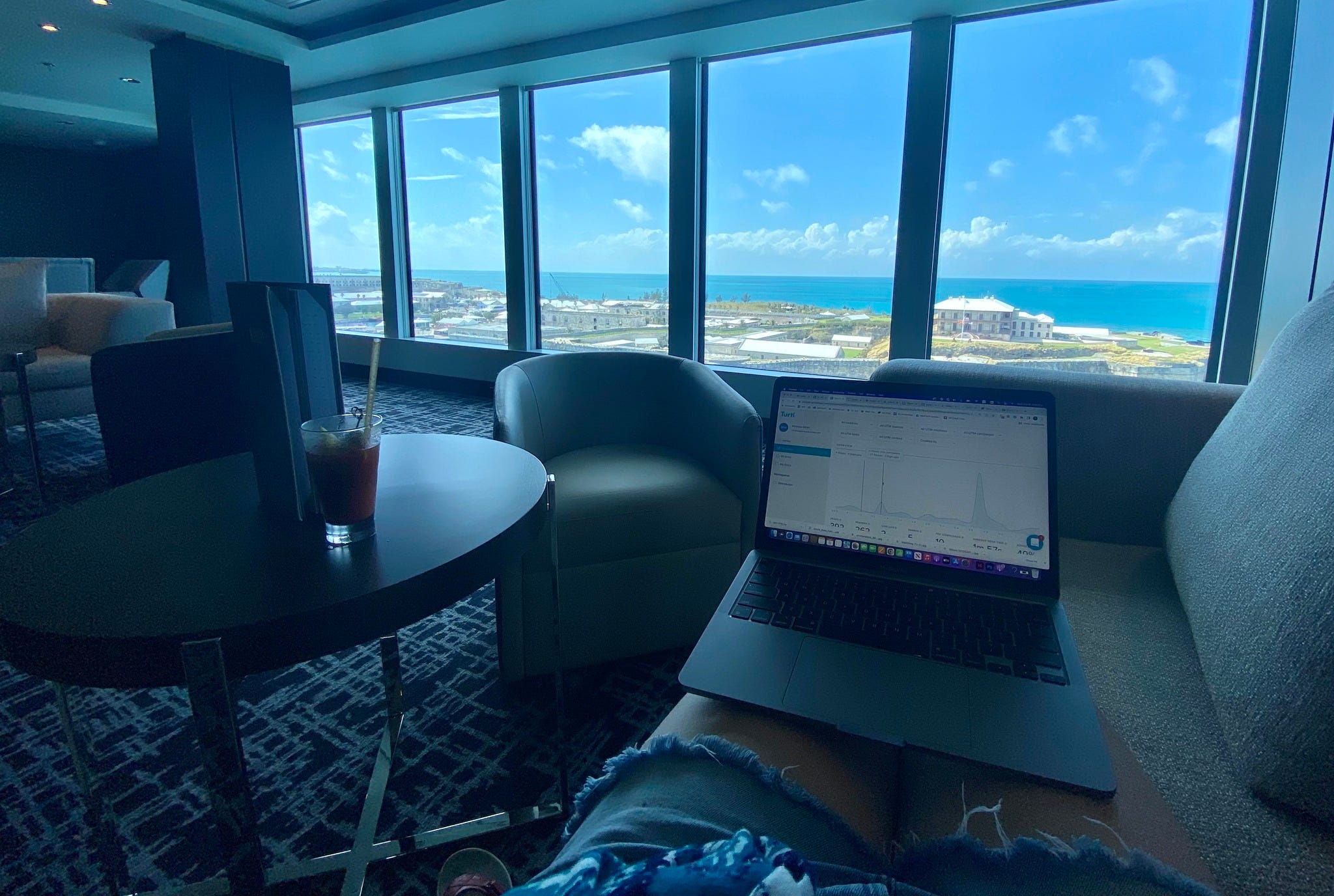
If you’ve ever caught yourself thinking, “I should have done that in my twenties,” you’re not alone.
Working while traveling often gets packaged as something for gap-year kids with backpacks and hostels on their radar. You may not believe it yet, but midlife is actually a strategic advantage.
You bring skills. Perspective. Financial awareness. Emotional intelligence. Independence. A resumé/CV with substance.
Let’s explore what working while you travel the world in your 40s, 50s, 60s and beyond can actually look like. This is a big topic, so we’ll tackle it at a high level and you’ll find plenty of other resources throughout where you can dig deeper.
Is It Possible to Travel and Actually Get Work Done?
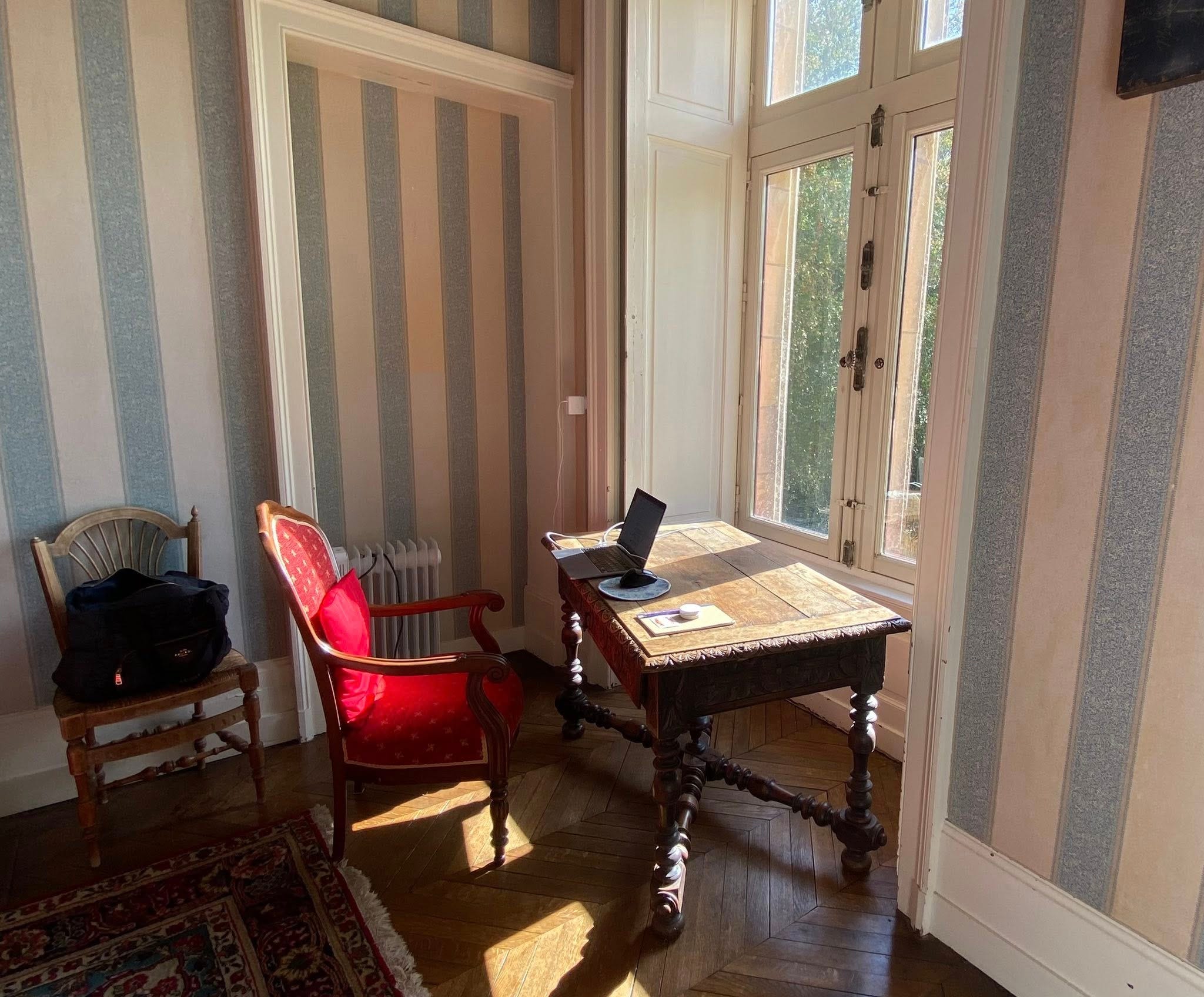
Yes. Absolutely. And in more ways than ever before.
You can:
Work remotely for your current employer
Transition into freelance or consulting
Take on a seasonal job in a new destination
Join a working holiday program (where eligible)
Pursue international work through recruiters or global companies
Build your own business and operate from anywhere
The idea that work & travel is only for the young comes from an outdated model of employment. Today, technology, global connectivity, and flexible employment structures make a life abroad far more accessible.
The real question isn’t whether it’s possible. It’s how you want to structure it.
Beyond Tourism: Embracing a Life Abroad

There’s a difference between vacationing and building a life abroad. Tourism skims the surface. Work & travel immerses you, giving you more opportunities to learn about different cultures by actually living inside and alongside them.
When you spend weeks or months in one place, you:
Get to know locals
Understand the culture beyond postcard highlights
Develop international friendships
Discover destinations off the beaten track
Build people-to-people connections that change your perspectives
Instead of rushing through Euro weekend side trips, you learn the rhythm of a place. You notice how mornings unfold. You develop hobbies that fit the environment. You gain awareness of how different societies operate.
That international work experience doesn’t just expand your worldview; it reshapes it. And midlife is often when we’re ready for that depth.
What’s the Best Way to Travel and Work?

There isn’t one “best” way… only what’s best for you. Here are some of the main paths.
1. Remote Employment (Keep Your Job, Change Your Location)
If you already work remotely (or could negotiate it), this is the most stable path.
Pros:
Consistent income
Predictable living expenses
Benefits intact
Lower risk
Consider:
Timezones (Can you manage a 6-hour difference?)
Reliable connectivity
A quiet workspace
Visa requirements
Many midlife professionals start here because it preserves stability while expanding lifestyle.
2. Freelance or Consulting Work
If you have deep expertise, this is where midlife shines.
Consulting, coaching, writing, project management, fractional leadership — these are portable skills.
Pros:
Full independence
Flexible schedule
Higher income potential
Work aligned with your interests
Consider:
Building a client base before departure
Managing irregular income
Healthcare planning
Taxes across borders
This path often offers the most freedom — but it requires preparation.
If you’re reading this and thinking, “Okay… but what would I actually do?”
I put together a short workbook to help you turn your experience into a few real income ideas you can actually try.
You Don’t Need an MBA to Start Consulting (And You’re Probably More Qualified Than You Think)

If you’ve spent years teaching, managing a kitchen, running events, working in healthcare, or holding together a team under pressure, chances are pretty good that you’ve built skills you don’t even think to name.
3. Seasonal Positions and Local Work
This is where many people think they’ve “missed their chance.”
But seasonal positions aren’t just ski instructors and bartenders. The hospitality industry, retreat centers, language programs, and international education organizations regularly hire experienced professionals.
Seasonal job opportunities exist in:
Hospitality industry management
Tour operations
Cultural exchange programs
Retreat facilitation
Conservation and sustainability projects
A seasonal job can:
Offset living expenses
Provide built-in community
Offer structured immersion
Add meaningful international work experience to your resumé/CV
You don’t have to backpack through hostels to participate.
4. Working Holiday Programs

Some countries offer working holiday visas, though age caps vary. If you qualify, it can be a structured way to explore international work.
Even if you don’t meet working holiday age limits, other visa categories may apply, including freelance visas, digital nomad visas, or long-stay residency permits.
The key is researching visa requirements early. Immigration rules matter.
Benefits of Combining Work & Travel
Why do this at all? Because the benefits go way beyond Instagram photos.
1. A Global View
Living in multiple destinations gives you a global view that reshapes how you see politics, economics, community, and culture.
You develop broader perspectives — not from headlines, but from lived experience.
2. Personal Growth & Independence

Navigating visas, housing, employment logistics, timezones — it builds resilience.
You learn:
Resourcefulness
Adaptability
Cultural awareness
Confidence in unfamiliar settings
Midlife often brings self-doubt around starting something new. Work & travel rebuilds that confidence.
3. Professional Advantage
International work experience signals adaptability.
Employers and clients value:
Cross-cultural communication
Remote collaboration skills
Global awareness
Initiative
Your resumé/CV becomes a lot more interesting.
4. International Friendships
There’s something powerful about shared experience abroad.
International friendships broaden your understanding of the world and create people-to-people connections that often last decades.
Saying Goodbye (Or So Long) to Geographically Convenient Friends

When I was younger, I thought proximity meant friendship. We were taught that the people around us were our friends — classmates, neighbours, cousins — because being polite often took precedence over discerning who really belonged in our lives.
5. Financial Clarity
Living abroad often forces you to examine your living expenses more intentionally.
Some destinations lower costs. Others increase them. But you become conscious about money in a way that many never do when life stays static.
How Do You Balance Full-Time Work and Traveling as a Digital Nomad?
This is the question that makes a lot of people considering a nomadic lifestyle hesitate. Yes, balance is achievable… but it requires practice and structure.
1. Choose Slower Travel
Constant movement is exhausting. Instead of hopping cities every week, stay:
One to three months per destination
Long enough to settle
Long enough to create routine
Slow travel protects energy.

2. Align Timezones Strategically
If you work full-time for an employer, pick destinations that overlap with your work hours.
A small difference (1–3 hours) is manageable.
A 10-hour gap can strain relationships and sleep.

3. Prioritize Connectivity
Strong Wi-Fi is non-negotiable.
Research:
Internet speeds
Backup options
Local SIM or eSIM options
Coworking spaces
Connectivity is the backbone of sustainable work & travel.

4. Separate Work and Exploration
Trying to “see everything” while maintaining full-time employment creates burnout.
Designate:
Work hours
Exploration windows
Rest days
You’re building a life abroad — not cramming in sightseeing.

5. Manage Energy, Not Just Time
Midlife travelers often juggle more responsibilities.
Protect:
Sleep
Movement
Hobbies
Social connection
Burnout defeats the purpose of lifestyle design.

The Logistics: Visas, Timezones, and Connectivity
Let’s address the practicalities.
Visa
Every destination has specific visa rules.
Options may include:
Tourist visa (short stays, no local employment)
Digital nomad visa
Freelancer visa
Working holiday visa (where age permits)
Sponsored international work visa
Always verify official requirements. Never assume.
Employment & Tax Considerations
Understand:
Where you pay taxes
How long you can stay
Whether you can legally work
Healthcare coverage abroad
Consulting a cross-border tax specialist can prevent future headaches.
Living Expenses
Budget realistically.
Account for:
Accommodation
Transportation
Healthcare
Insurance
Work tools
Unexpected costs
Many midlife professionals choose destinations that balance quality of life with sustainable living expenses.

Don’t Worry, You’re Not Too Late
This may be the most important part: you didn’t miss your window.
You may have spent your twenties and thirties building a career, raising children, supporting family, paying down debt, or simply surviving a demanding season of life. That doesn’t mean the opportunity passed you by — it means you were living the chapter that was in front of you.

Now, you bring something different to the table: experience, skills, awareness, and a deeper sense of independence.
Work and travel in midlife isn’t reckless; if anything, it’s more intentional.
You can keep your employment and test the waters, take a sabbatical, start with seasonal positions, build international work experience gradually, or create a business that supports a life abroad.
There are as many ways to design this next chapter as there are destinations on a map, and none of them require you to be twenty-two.
Final Thoughts
Combining work & travel is no longer a fringe lifestyle. It’s a viable model for building a more global view, meaningful friendships, cross-cultural awareness, personal independence, and professional expansion.
You’ll stretch and grow and challenge yourself in ways you never thought possible. Whether you’re exploring a working holiday, pursuing international work through recruiters, stepping into the hospitality industry, or building your own portable business — the door is open.
You don’t need to do it like a twenty-year-old. You get to do it like you. And that might be the best version yet.
You might also like:


