

When Outward Success Isn’t Enough: Viola Davis and the Midlife Reckoning
Viola Davis had the accolades, the recognition, the moment... but says she still felt empty inside. This is a story about redefining what success looks like in midlife.

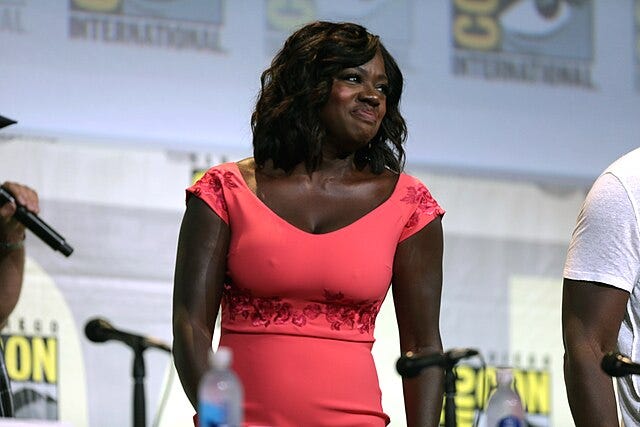
Right On Time is our weekly series of lessons in courage, clarity, and change for those rewriting their story — in two minutes or less.
Viola Davis was 43 when everything she’d worked for finally arrived.
An Oscar nomination for Doubt. Scenes opposite Meryl Streep. Critics calling her the emotional heart of the film — and all of it for a role that lasted less than ten minutes.
From the outside, it looked like her big moment. You know, the one so many are chasing. The one that makes all the years of scraping by, all the doubt, all the waiting just… worth it.
But in a 2012 Oprah interview, she revealed that standing in this dream life, she realized it didn’t quite fit.
“I’ve seen my dreams come true... but why don’t I feel fulfilled?”
There’s something deeply unsettling about that, isn’t there?
We imagine the breakthrough will settle us. Maybe it’s The Golden Visa. The 4-hour workweek. The perfect career, the house, the location independent income and freedom to travel.
We imagine that once we “get there,” we’ll finally feel secure, fulfilled, certain.
But for Davis, that moment didn’t answer anything. It raised a harder question: What actually makes me happy?
As she described it years later, she didn’t burn her life down or disappear. Instead: a reckoning.
She faced her truth… growing up in deep poverty in Rhode Island, in a house that was falling apart, carrying shame she hadn’t fully named yet.
In her memoir Finding Me ( an excellent read, btw), she writes about going back there and revisiting it, not to rewrite it, but to finally face it without flinching.
She saw that her idea of "success" was proving her worth to others, not living her truth.
And once she saw that, she couldn’t unsee it, so the work changed.
It didn’t happen overnight, but her change in direction was deliberate.
She chose roles that told harder truths. Stories that reflected real, messy, human lives. She stopped chasing the shine of recognition and started asking whether the work meant something.
Even in her personal life, she shifted. She’s spoken about wanting a relationship built on truth, not performance; about choosing a partner who would hold her accountable, not just admire her.
You can see the difference in what came after.
It’s not the kind of success you can point to on paper, but inner freedom is the kind you can pack up and take with you. The kind that feels like your own.
Years later, in Fences, she wasn’t chasing approval anymore. She was telling the truth, and that’s what finally brought her the Oscar.
It’s easy to chase what looks like freedom from the outside.
But if it doesn't fit who you've become, it becomes another cage.
So maybe the question isn’t just how do I get there?
Maybe it’s: "Is this destination still for this version of me?"
Sometimes realignment begins with one honest admission: this doesn’t feel the way I thought it would.
✌🏻 Miranda
Sources:
Must-See: Viola Davis Talks Midlife Crisis on Oprah's 'Oscar Special - Essence
Why Viola Davis Feels Like She's Leading a Life of Meaning - Variety
You might also like:


