

Digital Nomad Visa - Japan Edition: A Guide for Remote Workers 40+
Japan's Digital Nomad Visa explained: income requirements, taxes, healthcare, and the six-month reality for remote workers and entrepreneurs 40+ thinking about a longer stay.

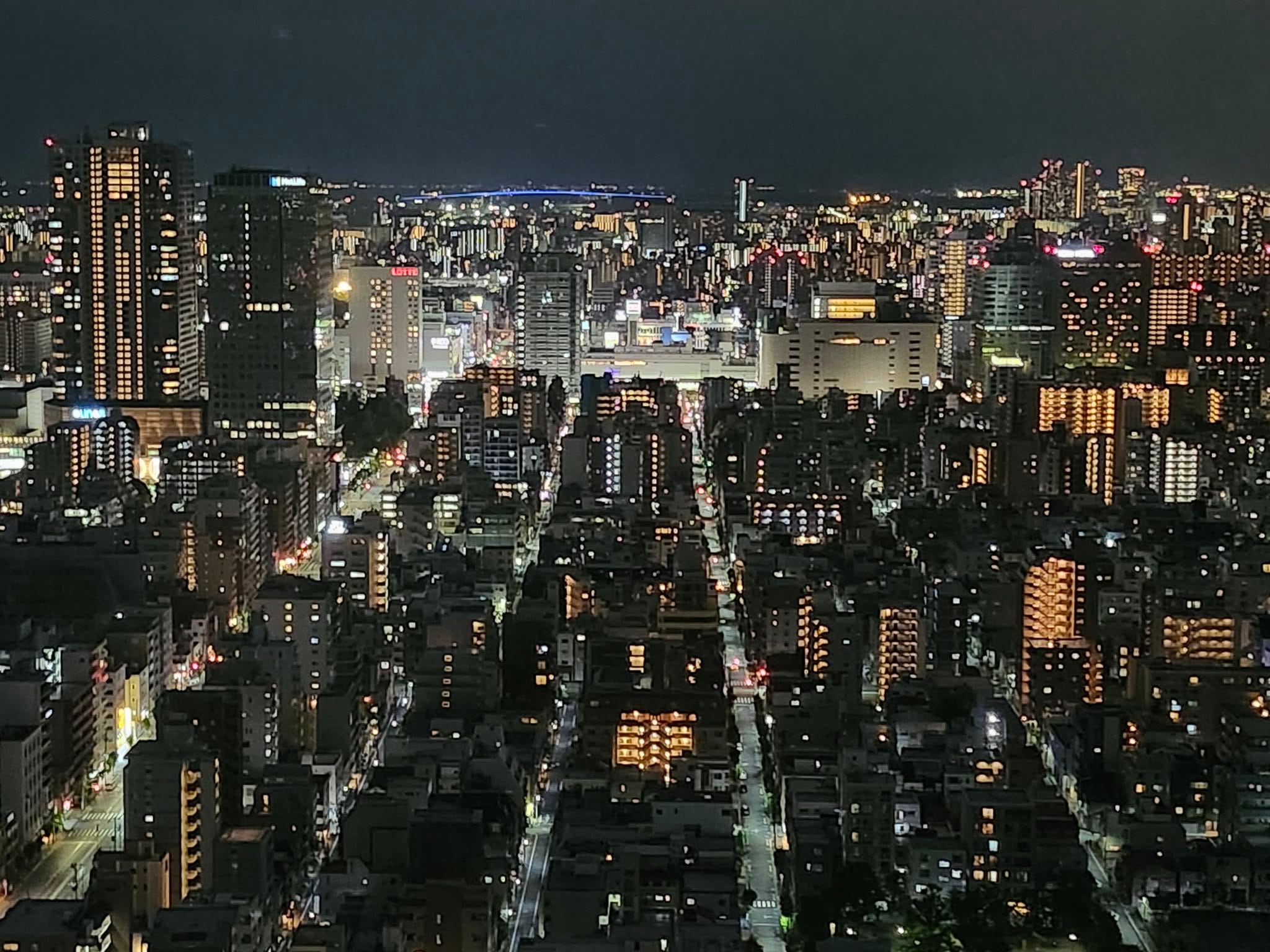
Japan doesn’t need help attracting remote workers. It has the trains that run to the second, the food, the safety, the connectivity, and a depth of culture that makes an ordinary Tuesday feel like it belongs to a place rather than to a hotel chain.
But Japan’s Digital Nomad Visa is not a relocation route. It’s not a soft landing into permanent residency, and it’s not built for someone testing a side hustle.
It’s a six-month stay. That’s the whole proposition, and it’s worth understanding that before anything else.
For a midlife reader, that’s not a flaw. Most people in their 40s, 50s, and 60s who are drawn to Japan aren’t looking to emigrate. They want longer than the 90-day tourist window allows, on legal footing that lets them keep working. That’s exactly what this visa is for, and almost nothing more.
Here’s what you actually need to know.
First: Who This Visa Is (and Isn’t) For


Japan launched its Digital Nomad Visa on April 1, 2024. Its official status is Designated Activities (Digital Nomad, Spouse or Child of Digital Nomad) — a sub-category of Japan’s catch-all “Designated Activities” residence status, not a standard work visa.
It is designed for people who:
Are employed by a company registered outside Japan, or
Work as a freelancer or business owner serving clients outside Japan
You may not work for a Japanese employer or invoice Japanese clients on this visa. The income supporting your stay has to come from abroad. If your work starts pointing at the local market, you’re in the wrong category.
There's also a nationality filter. Only citizens of countries and regions that have both a tax treaty and a visa-exemption arrangement with Japan can apply — roughly 49 to 50 countries and regions as of 2026, including the US, Canada, the UK, the EU, Australia, New Zealand, Singapore, South Korea, Taiwan, and Hong Kong.
The list moves, so check the current Ministry of Foreign Affairs version before you plan anything.
Here’s what we cover in this guide:
Who the visa is actually for — and who it quietly screens out
The 10-million-yen income bar, and what counts as proof
Health insurance: why it’s mandatory and, on this visa, your only coverage
The six-month limit, the cooling-off period, and why there’s no path to residency
Taxes and the 183-day line that keeps your foreign income untaxed
How to apply: documents, fees, timeline, and where to file
Bringing a partner or children
Living costs, housing, banking, and connectivity, city by city
The downsides nobody posts about
Whether Japan actually fits a midlife nomad
Income Requirements (2026 Reality)
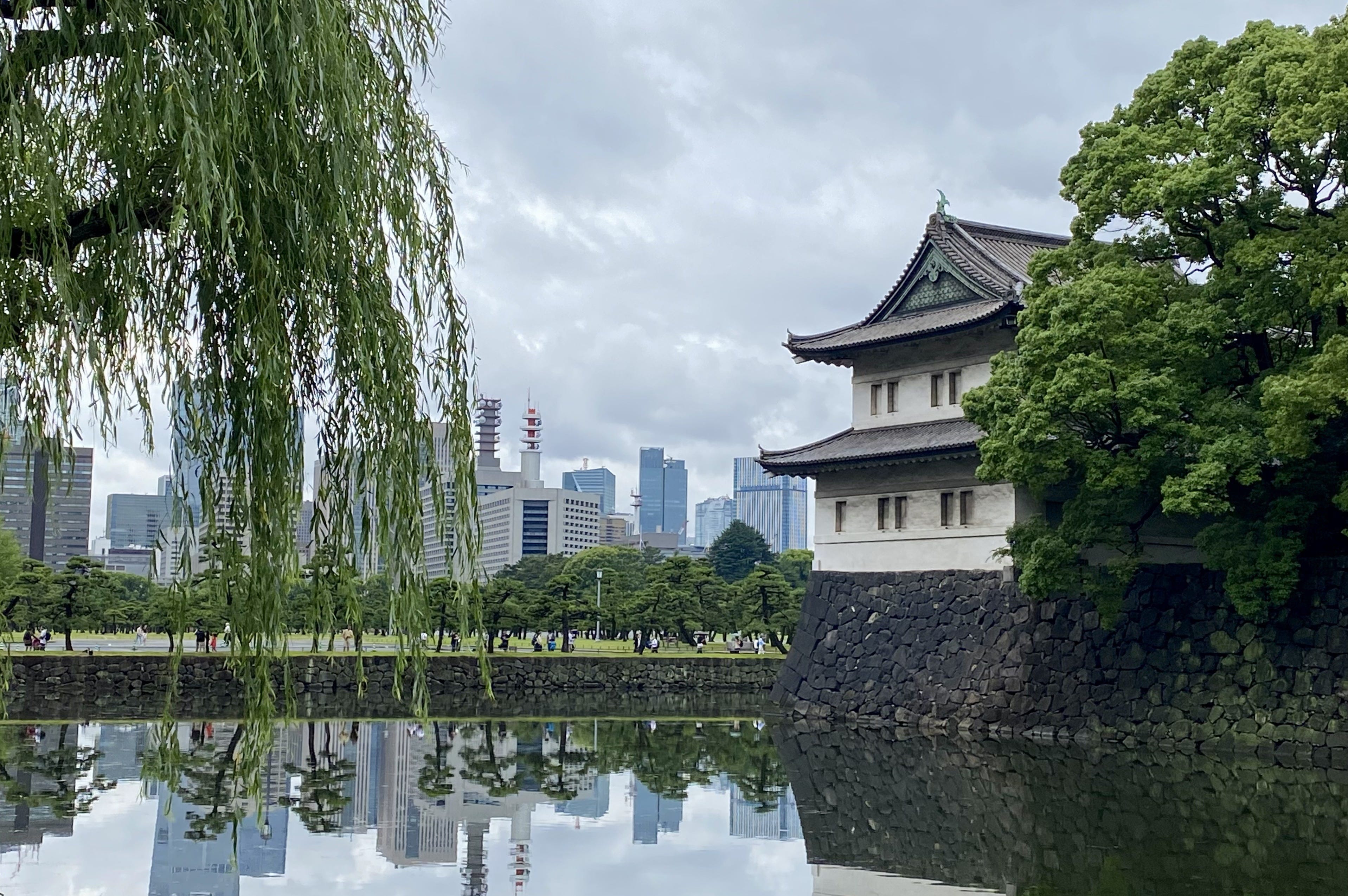
This is where Japan separates itself from most digital nomad visas, and where a lot of midlife applicants will stop reading.
You must show an annual income of at least 10 million yen — roughly US$65,000–70,000, depending on the exchange rate. It’s assessed on your most recent annual gross income.
To put that in context: it’s about double Portugal’s threshold, and well above the global median for these visas, which sits closer to US$2,000–3,000 a month. Japan’s bar is one of the highest going.
If you’re employed, the proof is straightforward: contract, payslips, tax returns. If you’re self-employed with a variable consulting business — which describes a lot of our readers — this is the part that takes planning. A good year and a thin year average out in your head, but the consulate wants documentation, not a narrative.
Clean records, recent tax filings, and invoices that add up to the number are what get you through.
If you’re reading this thinking, okay, but what would I actually do for income? Start with Midlife Nomads’ ‘Turn Your Experience Into Income Ideas’ workbook.
Healthcare: What Midlife Applicants Really Want to Know
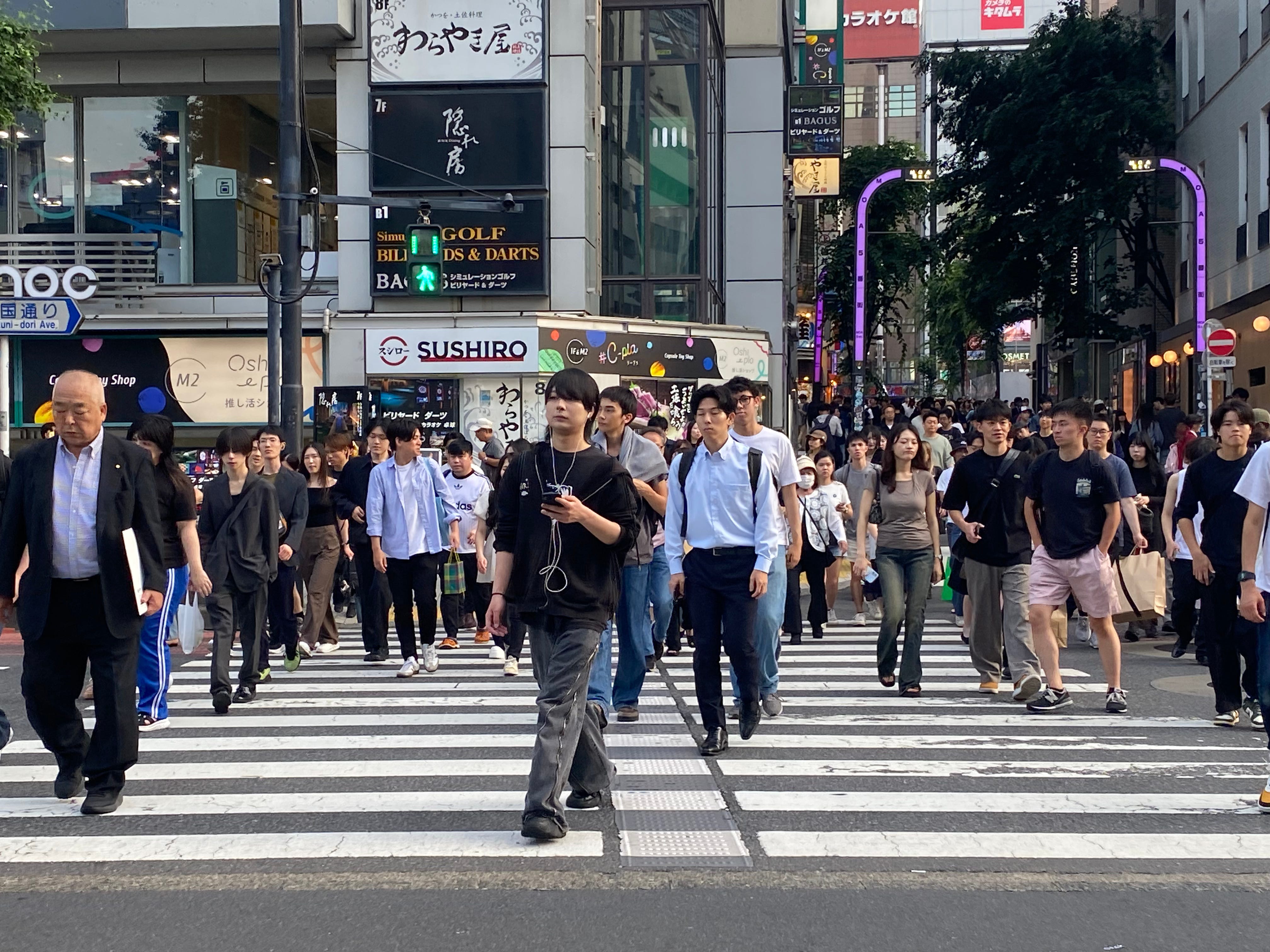
For most people over 40, this stops being a footnote and becomes part of the decision.
Private health insurance isn’t optional here — it’s a condition of the visa. You must show coverage of at least 10 million yen (roughly US$67,000) for death, injury, and illness during your stay. If your spouse or children are coming, they each need the same.
There’s a catch specific to this visa, and it matters more at midlife than the brochures admit: a Digital Nomad Visa holder does not receive a residence card, which means no access to Japan’s national health insurance system. Your private policy isn’t a box to tick for the application. For six months, it’s your only coverage.
If you’re over 50, this is where to slow down. Pre-existing conditions affect premiums and eligibility, and nomad-oriented policies vary widely on what they actually pay out. Read the exclusions, not the headline number.
SafetyWing is the policy we use for this kind of stay — built for nomads, monthly billing, and it satisfies the coverage requirement. As always, confirm the specific terms cover what you need before you rely on it. (Affiliate partner — we may earn a commission.)
Duration, Renewal, and the Six-Month Reality
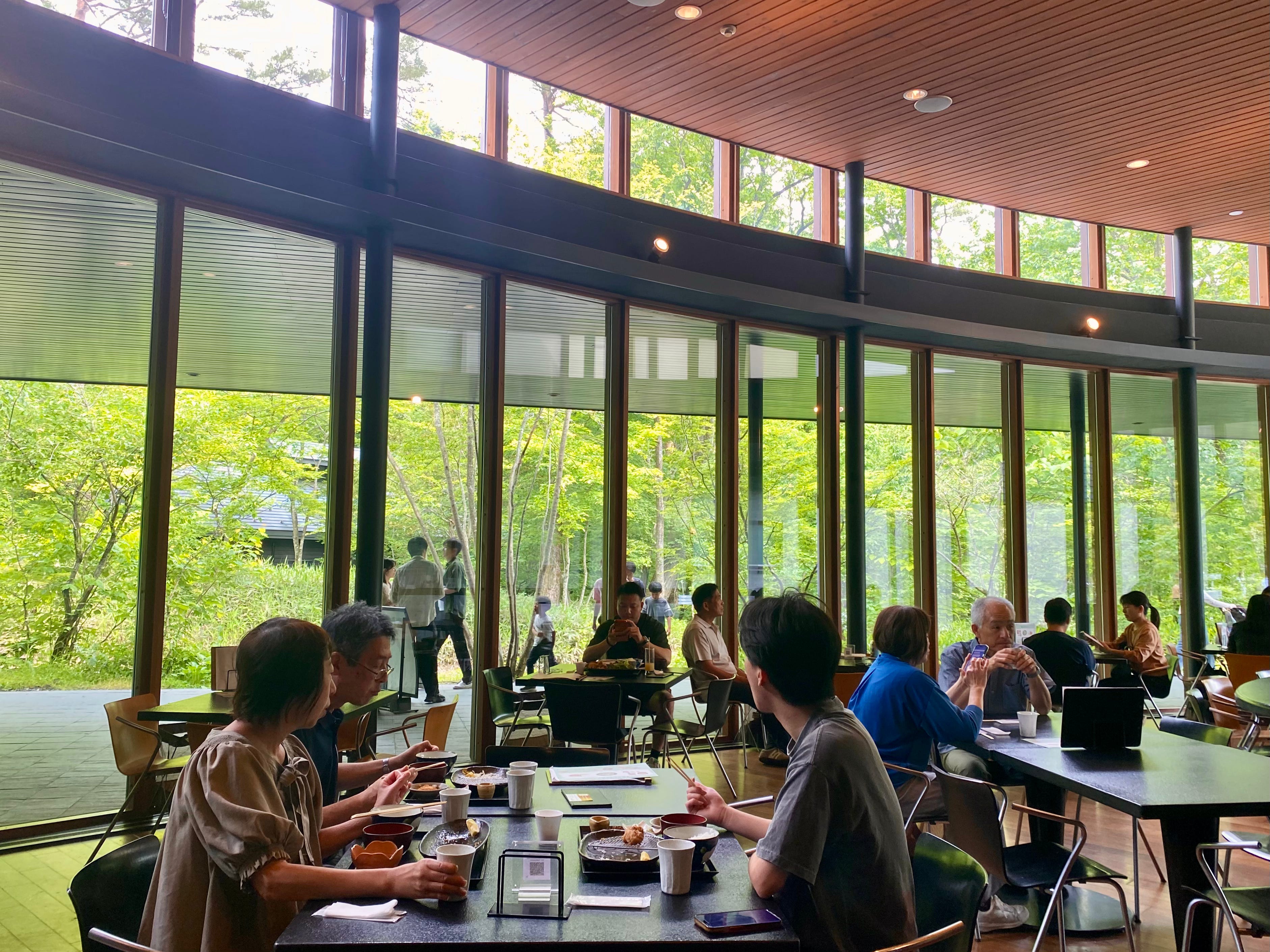
Here’s the structure, plainly:
The visa allows a stay of up to six months.
It is not renewable.
After it expires, you must spend six months outside Japan before you can apply again.
It is not a path to permanent residency or citizenship. Time on this visa doesn’t count toward either.
No residence card is issued, which is what cuts you out of national health insurance and, as we’ll get to, local banking.
So this is a long visit with legal clarity, not the first step of a move. For the reader who wants a real season in Japan — long enough to have a neighbourhood, a routine, a regular train line — that’s plenty.
For anyone imagining Japan as a base they return to and build on, the math doesn’t work the way Italy’s does.
In case you missed it…


Tax Reality: The 183-Day Line
Japan’s tax treatment is the quiet advantage of this visa, as long as you understand where the line sits.
If you stay 183 days or fewer in a calendar year, earn your income from abroad, and are paid by a foreign employer or foreign clients, you’re generally treated as a non-resident. Japan does not tax foreign-sourced income in that case. Since the visa caps you at six months, it’s built to keep you on the right side of that line.
The visa itself doesn’t trigger tax residency. Your days do. The 183-day threshold is an important benchmark, but Japanese tax residency and taxation depend on several factors including your circumstances, treaty provisions, and the source of your income. Professional tax advice is recommended.
One caveat that gets glossed over: the 183-day count isn’t the only test. If the centre of your life — your family, your home base — sits in Japan, you can be deemed a resident even under six months. For most solo nomads this won’t apply. For a couple relocating together “just for a while,” it’s worth a conversation with a tax professional.
Japan has double taxation treaties with more than 60 countries, including the US, the UK, Canada, and Australia, so the same income shouldn’t be taxed twice. But treaties apply differently depending on your home country, and documentation has to be clean.
Recommended reading:

Step-by-Step: How to Apply
1. Confirm Your Nationality Is Eligible
Check the current Immigration Services Agency / Ministry of Foreign Affairs list. Eligibility depends on your passport having both visa-exempt entry and a tax treaty with Japan.
2. Gather Your Documents
Typical requirements:
Completed application form with a recent passport photo
Passport valid for the full stay (ideally six-plus months)
A statement of your planned activities and stay duration
Income proof showing 10 million yen — contracts, tax returns, and/or client invoices
Certificate of private health insurance (10 million yen coverage), including any family members
A criminal background check (sometimes requested)
A Certificate of Eligibility (COE) is optional but can streamline the process.
3. Apply at a Japanese Embassy or Consulate
You apply from outside Japan, at the embassy or consulate in your home country.
Visa fee: ¥3,000 single-entry / ¥6,000 multiple-entry
Processing: roughly two weeks to one month
4. Enter Japan
You must enter within three months of the visa being issued, and your six months runs from there.
Family Considerations
Your spouse and dependent children can join you under the Spouse or Child of Digital Nomad status. Each files their own application and needs their own qualifying health insurance.
A few realities worth naming. Each family member needs their own qualifying insurance, though you don't have to show any extra income for them. Accompanying spouses and children aren't allowed to work in Japan at all, not even part-time — so a partner who wants to keep working remotely would need their own Digital Nomad Visa, which means clearing the 10-million-yen bar in their own right. And a six-month window is short for enrolling children in school.
For a family, this visa tends to suit a sabbatical-shaped season — a shared stretch of months in Japan — more than a family relocation.
Midlife Realities: What Actually Matters
Infrastructure and Working Online
This is Japan’s home turf. Fibre internet is fast and widespread, coworking spaces are easy to find in any major city, and the day-to-day machinery of remote work — cafés, transit, delivery, payments — is reliable in a way that removes friction rather than adding it.
For getting around, download the Suica app or pick up a visitor’s card for tap-and-go transit.
Connectivity From Day One
Without a residence card, getting a traditional local phone plan is awkward. The simplest fix is an eSIM you activate before you land. Airalo has Japan data plans that work the moment you arrive, which spares you the SIM-counter routine at the airport. (Affiliate partner — we may earn a commission.)
Banking: Plan Around It
Here’s a practical wall. Because no residence card is issued, you generally cannot open a local Japanese bank account on this visa; the traditional banks want that card.
In practice, most nomads run their money through international tools. A Wise account lets you hold and spend yen, pay for accommodation, and move money at the real exchange rate without a local bank — which is how we handle currency in places that won’t issue us an account. (Affiliate partner; we may earn a commission.)
Cost of Living (2026)
Japan isn’t Southeast Asia on price, but it’s often cheaper than major Western cities once you factor in transport and safety. A comfortable single lifestyle with a typical mid-range budget, all-in, runs roughly:
Tokyo: ¥200,000–280,000/month (about US$1,700–2,100)
Osaka: ¥170,000–200,000/month (about US$1,200–1,400)
Fukuoka: ¥150,000–180,000/month (about US$1,050–1,200)
The big variable is housing, and short-stay housing has its own rules.
Walkability and Pace
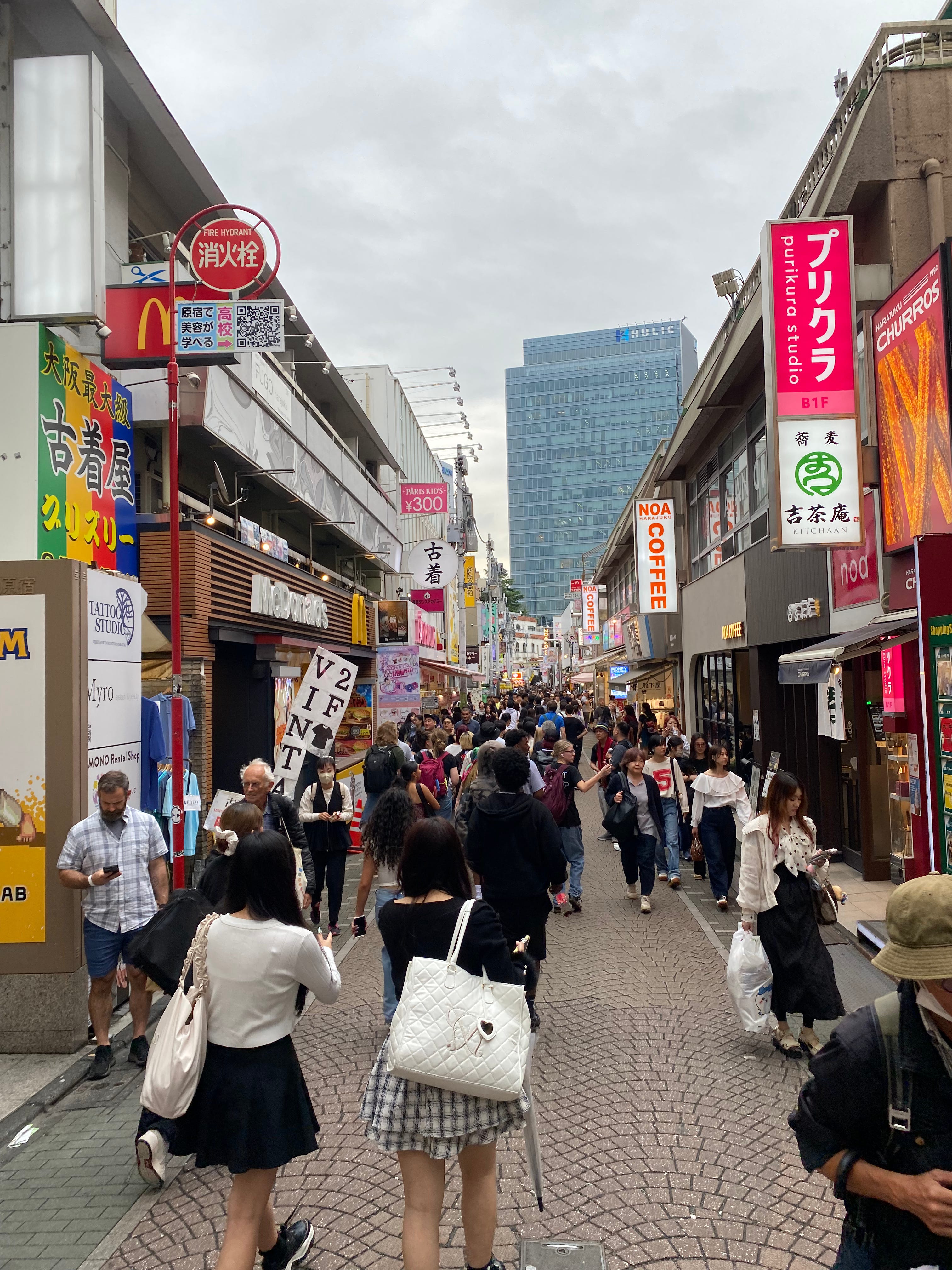
Japanese cities are built for people on foot. Tokyo, Osaka, Kyoto, and Fukuoka all reward a car-free life, and the rail network makes day trips effortless. The pace in a residential neighbourhood is calmer than the Shibuya-crossing version of Japan suggests — which is often the part midlife visitors end up valuing most.
The Downsides No One Mentions on Instagram
The income bar is steep. At 10 million yen, this is one of the most selective digital nomad visas in the world. A lot of capable, self-sufficient midlife freelancers simply won’t clear it on paper, even when they live comfortably.
Six months, then out. No renewal, no rollover, a six-month cooling-off period, and nothing that counts toward residency. If you fall for the place, the visa won’t help you stay.
No residence card means friction. No national health insurance, no easy local bank account, no local phone plan without workarounds. None of it is fatal, but all of it is paperwork you don’t have at home.
Same-sex marriages aren't recognized for dependent status, so an LGBTQ+ spouse can't currently come as a dependent.
Short-stay housing is its own project. Traditional Japanese leases often demand key money, a deposit, a guarantor, and a 12-month commitment — none of which fits a six-month stay. The realistic routes are serviced apartments, monthly furnished rentals, or share houses, which skip the guarantor and come furnished but run 30–50% more than a standard lease. Monthly furnished rates run roughly ¥120,000–180,000 in Tokyo, ¥80,000–110,000 in Osaka, and ¥60,000–80,000 in Fukuoka. Booking confirmation from one of these also gives you an address for your application.
The seasons are real. Summers are hot and humid, June brings the rainy season, and late summer into autumn is typhoon season. None of it should stop you; all of it may shape which months you pick.
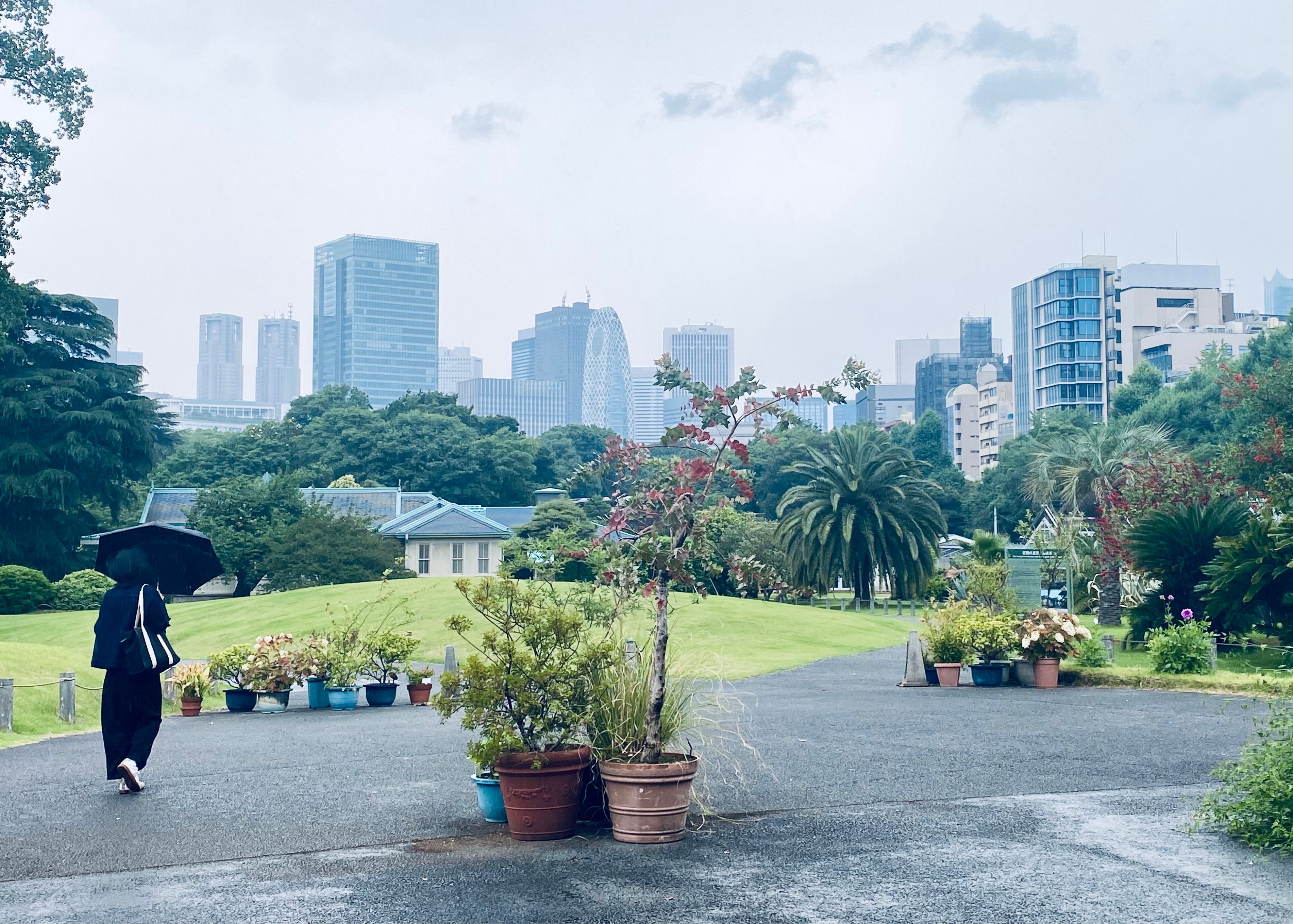
Is Japan Right for Midlife Nomads?
Japan isn’t trying to be the cheapest option or a tax shelter. What it offers is a six-month stretch inside one of the most functional countries in the world, with world-class infrastructure, genuine safety, food and culture with real depth, and the freedom to keep earning while you’re there.
What it doesn’t offer is permanence. There’s no residency pathway, no renewal, and a high enough income bar that this visa quietly selects for a particular reader.
If you want to move to Japan for good, this isn’t your route. But if what you actually want is a real season there — long enough to stop being a tourist, short enough that you weren’t trying to leave home for good — that’s precisely the shape of this visa.
And for a lot of us, a longer stay we can do honestly and legally is an excellent option.
Disclaimer
Visa regulations, income thresholds, and tax interpretations change frequently. The information in this article is accurate at the time of publication, but we strongly encourage you to verify all requirements directly with official Japanese government immigration authorities or licensed visa professionals before making travel or relocation plans.
Sources:
Immigration Services Agency of Japan — Status of Residence “Designated Activities” (Digital Nomad)
RSM Shiodome — Application Guide, Eligible Countries, Latest Requirements (2026)
Wise — Japan digital nomad visa guide (family, foreign-employer rule)
You might also like:


FAQs: Japan’s Digital Nomad Visa
What is Japan’s Digital Nomad Visa?
It’s a six-month residence status — officially Designated Activities (Digital Nomad, Spouse or Child of Digital Nomad) — launched in April 2024. It lets eligible foreign nationals live in Japan while working remotely for employers or clients based outside the country.
How much income do you need for Japan’s Digital Nomad Visa in 2026?
At least 10 million yen per year, roughly US$65,000–70,000 depending on the exchange rate, assessed on your most recent annual gross income.
Do freelancers and self-employed people qualify?
Yes, provided the income comes from clients or a business based outside Japan and you can document it — contracts, invoices, tax returns, and bank statements showing the required level.
Can my spouse work in Japan on this visa?
No. Accompanying spouses and children hold a dependent status that doesn't permit any work, including part-time. If your partner wants to keep working remotely while you're both there, they'd need to apply for their own Digital Nomad Visa — which means independently clearing the 10-million-yen income requirement.
Can I work for Japanese companies on this visa?
No. The visa is strictly for remote work for foreign employers or clients. Local Japanese employment or invoicing Japanese clients requires a different visa.
Do I become a tax resident in Japan?
Generally not, if you stay 183 days or fewer in a calendar year and your income is foreign-sourced — you’re treated as a non-resident and foreign income isn’t taxed. The visa caps you at six months to keep you on that side of the line, but days can accumulate across multiple visits in the same year, and your home base can affect the determination. Confirm with a tax professional.
Is the visa renewable, and can it lead to residency?
No on both counts. It’s six months, non-renewable, with a six-month wait before reapplying, and it doesn’t count toward permanent residency or citizenship.
Do I need private health insurance?
Yes — coverage of at least 10 million yen for death, injury, and illness, for you and any accompanying family. Because no residence card is issued, you can’t use Japan’s national health insurance, so this private policy is your only coverage for the stay.
Can my spouse and children join me?
Yes, under the Spouse or Child of Digital Nomad status. Each applies separately and needs their own qualifying insurance, though no extra income needs to be shown for them.
Can I open a Japanese bank account?
Usually not on this visa, since no residence card is issued. Most nomads manage money through international tools like Wise instead.
How long does the application take?
Roughly two weeks to a month after submitting at a Japanese embassy or consulate in your home country. You must then enter Japan within three months of issuance.