

Thailand’s Digital Nomad Visa (DTV): What Remote Workers & Online Entrepreneurs 40+ Need to Know
Thinking about Thailand’s Destination Thailand Visa? Here’s what remote workers 40+ need to know about requirements, costs, taxes, healthcare, and living in Thailand.


Thailand has been on the radar for remote workers for years. The beaches, the street food, the cost of living, the healthcare system that somehow manages to be both excellent and affordable… it’s an easy place to imagine settling into a rhythm of morning work sessions and evening walks through night markets.
But until recently, Thailand didn’t have a visa that actually matched the way remote professionals live.
People pieced things together with tourist visas, education visas, or constant border runs. It worked for a while, but it wasn’t stable.
That changed in 2024 when Thailand launched the Destination Thailand Visa (DTV).
It’s not technically called a “digital nomad visa,” but for remote professionals working for foreign employers or clients, it’s the closest thing Thailand has ever offered.
If you’re a midlife remote worker thinking about Thailand — not just for a few weeks, but as a slow travel destination or even your base for part of the year — here’s what the reality looks like in 2026.
First: What the Thailand DTV Actually Is
Thailand’s Destination Thailand Visa (DTV) is a long-term, multiple-entry visa designed for remote workers, freelancers, and people participating in Thailand’s “soft power” programs like Muay Thai or cooking schools.

For remote professionals, the key details look like this:
Visa structure
Valid for 5 years
Multiple entry
180 days per stay
Can extend another 180 days inside Thailand
In practice, that means you can spend up to 360 days continuously in the country before needing to leave and re-enter.
The application cost is relatively modest:
฿10,000 (~$280 USD) visa application
฿1,900 (~$55 USD) per extension
Unlike many immigration routes, the DTV is quota-free — there’s no annual cap on how many visas Thailand will issue.
Who the DTV Is For
Thailand designed the DTV primarily for three groups:
Remote workers and freelancers with foreign employers or clients
Participants in Thai cultural programs (Muay Thai, cooking, arts)
Dependents of eligible applicants
For most readers here, the remote work route is the relevant one.
To qualify, you’ll need to show:
Financial requirement
฿500,000 (~$14,500 USD) in a bank account
Typically 3–6 months of statements
Proof of remote work
Requirements depend on your situation.
Employee: Foreign employment contract, employer letter confirming remote work, 6 months payslips
Freelancer: Portfolio, contracts or invoices from foreign clients, proof of payments
Business owner: Company registration documents, tax filings, ownership proof
Additional standard documents include:
Passport valid 6+ months
Passport photo
Proof you’re currently outside Thailand
Criminal background check (often requested)
One important rule:
The DTV does not allow work for Thai employers or Thai clients.
The income supporting your visa must come from outside the country.
If you’re reading this and thinking, “Okay… but what would I actually do?”
I put together a short workbook to help you turn your experience into a few real income ideas you can actually try.
Income & Financial Reality

Thailand’s entry requirement is based on savings, not monthly income.
You need to show the ฿500,000 bank balance, but there’s no official minimum income threshold written into the visa rules.
That said, if you’re planning to live in Thailand comfortably, most midlife nomads report spending roughly:
Monthly cost of living (single)
Chiang Mai: $1,800–2,500
Phuket: $2,200–3,000
Bangkok: $2,200–3,200
Typical expenses might look like:
Rent: $400–800 (Chiang Mai) / $600–1,200 (Phuket)
Food: $300–500
Coworking: $100–200
Transport: $50–150
You can absolutely live cheaper. But most remote professionals settle somewhere in the $2k–$3k/month range to maintain a comfortable lifestyle.
Healthcare: One of Thailand’s Biggest Advantages
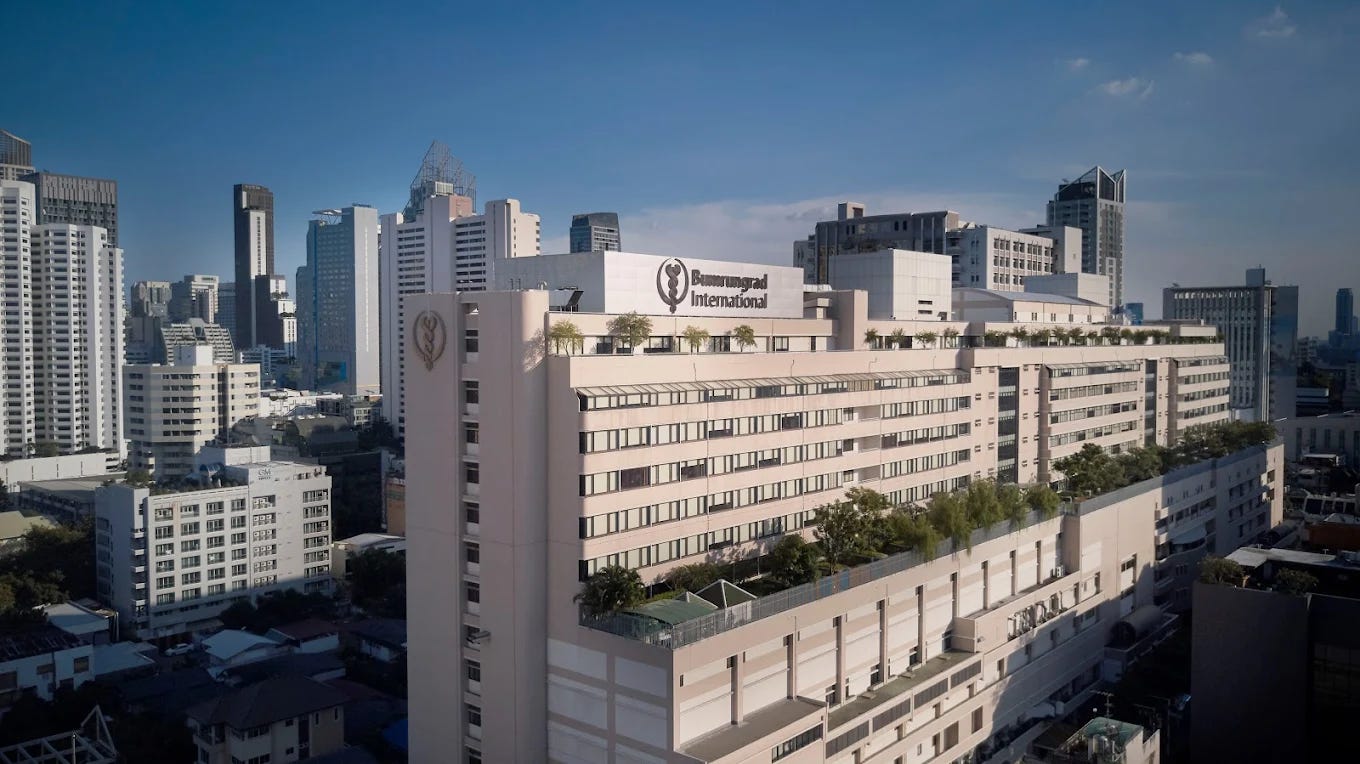
For midlife remote workers, healthcare tends to move much higher on the priority list.
This is where Thailand consistently stands out.
Private hospitals such as Bumrungrad International Hospital or Bangkok Hospital provide care that rivals top Western systems, often at a fraction of the price.
Recommended:

Typical costs look like:
Specialist visit: $50–100
Dental procedures: $100–400
Executive health checkup: $300–600
Doctors almost always speak English, and many trained in the US, UK, or Australia.
Health insurance is not required for the DTV, but most expats carry international coverage.
Expect roughly:
$1,000–1,800/year for midlife applicants
More if pre-existing conditions are involved
Many nomads also pay routine care out of pocket because prices are so reasonable.

Duration, Extensions, and Long-Term Reality

The DTV offers more flexibility than most Southeast Asian visas.
Here’s how the timeline works.
Initial entry: 180-day stay
Optional extension: Additional 180 days
Re-entry: Because the visa is multiple-entry for 5 years, you can leave and return to restart another 180-day stay.
However, there are two ongoing obligations.
90-Day Reporting
If you remain in Thailand long-term, immigration requires a 90-day address report.
This can usually be done:
Online
By mail
At immigration offices
It’s free, but it’s part of living in Thailand.
Immigration Scrutiny
Authorities are increasingly attentive to visa misuse. If your passport shows constant back-to-back entries, immigration may ask questions.
For most remote workers, this isn’t a problem, but it reinforces the importance of actually following visa rules.
Taxes: The Part Many Nomads Miss

Thailand’s tax rules are relatively straightforward but often misunderstood.
If you stay under 180 days per year
You’re considered non-resident.
That means:
Only Thai-source income is taxed
Foreign income generally is not taxed
If you stay more than 180 days
You become a Thai tax resident.
Foreign income may be taxable if it is transferred into Thailand in the same tax year.
Rates follow progressive brackets from 0% – 35%.
Thailand also maintains double taxation treaties with many countries including the US, UK, and Canada.
If you plan to stay longer than six months each year, it’s wise to speak with a Thai accountant.
Most charge $300–$500 per year.
Related:

Step-by-Step: How to Apply

The DTV must be applied for outside Thailand.
You can apply either through:
The Thai e-Visa system, or
A Thai embassy or consulate
Step 1: Prepare Documents
You’ll need:
Passport scans
Passport photo
Bank statements showing ฿500k
Remote work documentation
Proof you’re outside Thailand
Criminal background check
Step 2: Submit the Application
Apply through the Thai e-Visa portal or at a Thai consulate.
Upload scanned documents and complete the form.
Step 3: Pay the Fee
Visa fee: ฿10,000 (~$280 USD)
Step 4: Processing
Typical timeline: 5–15 business days
Embassies sometimes process applications faster than the online system.
Step 5: Enter Thailand
After approval, you’ll receive a confirmation document.
Bring this when entering Thailand to receive your 180-day entry stamp.
Family Members Can Join

Spouses and children under 20 can apply as dependents.
Each family member must submit their own application and pay the visa fee, but the main applicant’s ฿500k financial proof usually covers the family.
Required documents typically include:
Marriage certificate for spouses
Birth certificates for children
Sponsor letter from the main applicant
Processing timelines are usually similar to the primary visa.
Why Thailand Works So Well for Midlife Nomads

Thailand has become one of the most sustainable places in the world for remote workers, especially those of us thinking beyond a short-term adventure and more about how a place actually feels to live in.
It isn’t just the lower cost of living, though that certainly helps. It’s the combination of affordability, healthcare, infrastructure, and ease of day-to-day life that makes Thailand feel workable in a way many “dream destinations” do not.
The affordability is a big part of that. In Thailand, it’s still possible to maintain a comfortable lifestyle without feeling like every choice needs to be optimized for budget survival.
Related:

Rent, food, transportation, and services remain accessible enough that many remote workers can live well without the constant financial pressure they might feel in Europe or North America.
That’s especially appealing in midlife, when the goal often shifts from chasing the cheapest destination to finding somewhere sustainable, comfortable, and a little easier on the nervous system.

Healthcare is another major reason Thailand continues to attract long-term expats and remote professionals. For many people over 40, this stops being a side consideration and starts becoming central to the decision.
Thailand’s private hospitals have an excellent international reputation, and for good reason. Some facilities are known for strong specialist care, English-speaking staff, and prices that remain far below what many Americans or Canadians would expect to pay at home.
When you’re thinking not just about routine checkups but also cardiology, orthopedics, imaging, dental care, and the possibility of needing more support as the years go on, that matters.
Recommended:

Then there’s the infrastructure for actually working online. Thailand has been serving remote workers for long enough now that the basics are not an afterthought.
Fast fiber internet is common in major hubs, coworking spaces are easy to find, and the wider ecosystem — cafés, apartments set up for longer stays, delivery apps, transport options, phone plans — tends to support remote work rather than complicate it. It’s one of those places where working online feels normal, not improvised.

The social side matters, too. One reason Thailand works so well for midlife nomads is that you’re not trying to build a life entirely from scratch in a place where no one else is doing what you’re doing.
Cities like Chiang Mai, Phuket, and Bangkok already have well-established expat and remote work communities, and not all of them skew twenty-something backpacker.
There are entrepreneurs, consultants, semi-retired professionals, couples, and long-term location-independent workers who’ve built real routines there.
That makes integration easier. You can find your people more quickly, and that can make a huge difference when you’re trying to decide whether a place feels viable for more than a season.
The Downsides No One Mentions on Instagram

Of course, Thailand is not effortless, and it’s worth being honest about the trade-offs. It photographs beautifully, but living somewhere is always more complicated than vacationing there, and Thailand is no exception.
One of the biggest issues, particularly in northern Thailand, is air quality. Chiang Mai gets a lot of attention as a remote work hub, and in many ways it earns that reputation.
But burn season, typically from February through April, is a serious drawback. During that time, air pollution can become hazardous, with AQI levels rising high enough to affect even healthy people, let alone anyone with asthma or other respiratory concerns.
Many experienced expats simply leave during those months, and if you’re considering Chiang Mai as a base, that’s something you need to plan around rather than discover the hard way.
Daily life can also be less walkable than people expect. Thailand has dense cities and lively neighborhoods, but that doesn’t automatically translate into pedestrian-friendly living. Sidewalks can be uneven, blocked, or disappear altogether, and in many areas, getting around comfortably means relying on Grab, taxis, or scooters.
That may not be a dealbreaker, but it does shape the rhythm of life in a way that’s worth acknowledging, especially for anyone imagining a more walkable, European-style daily experience.

Banking can be another friction point. One of the more frustrating realities for remote workers is that opening a local bank account in Thailand is not always straightforward without a work permit or the right visa history.
Plenty of people make it work using international banking tools like Wise or Revolut, but it can still add a layer of inconvenience, especially when paying rent, managing transfers, or trying to establish a more stable financial setup on the ground.
Recommended:

And then there’s the climate. Thailand’s warmth is part of the appeal, until it isn’t. For some people, the heat and humidity feel manageable, even welcome. For others, especially those trying to work productively through the hottest months, the constant intensity can become draining.
Temperatures regularly sit in the 30–38°C range, and that kind of heat changes how you move, how much energy you have, and how comfortable daily errands feel. It’s not a reason not to go, but it is one of those realities that tends to get glossed over in the glossy version of the lifestyle.
Is Thailand Right for Midlife Nomads?

Thailand isn’t trying to become a European-style hotspot or a digital nomad tax haven. What it offers instead is something different. A place where you can:
Live comfortably without burning through savings
Access world-class healthcare
Work reliably online
Enjoy a slower pace of life
For many remote professionals in their 40s, 50s, and beyond, that combination is exactly what makes Thailand work.
It’s not a place most people visit for three months and forget. It’s a place many return to, year after year. It just might be the next place for you!
Disclaimer
Visa regulations, income thresholds, and tax interpretations change frequently. The information in this article is accurate at the time of publication, but we strongly encourage you to verify all requirements directly with official Italian government immigration authorities or licensed visa professionals before making travel or relocation plans.
Sources:
Frequently Asked Questions
What is the Thailand Destination Thailand Visa (DTV)?
Thailand’s Destination Thailand Visa (DTV) is a long-term visa introduced in 2024 that allows remote workers, freelancers, and certain cultural participants to stay in Thailand while working online for foreign employers or clients.
The visa is valid for five years and allows multiple entries. Each entry permits a stay of up to 180 days, with the option to extend an additional 180 days inside Thailand.
While it isn’t officially called a digital nomad visa, the DTV is currently the main option for remote professionals who want to live in Thailand while continuing to work for companies or clients based outside the country.
How much money do you need for Thailand’s DTV visa?
Applicants must show proof of at least ฿500,000 (approximately $14,500 USD) in a bank account.
Immigration typically requires three to six months of bank statements to demonstrate that the funds are genuinely available and not a temporary deposit.
Unlike many European digital nomad visas, Thailand does not currently require proof of a specific monthly income. However, you still need to provide evidence of remote employment, freelance work, or overseas business activity.
Can freelancers qualify for the Thailand DTV visa?
Yes. Freelancers and self-employed remote workers can qualify for the DTV.
Instead of an employment contract, freelancers usually provide documentation such as a portfolio, recent client contracts, invoices, and bank statements showing payments from overseas clients.
The key requirement is that your work and income originate outside Thailand. The visa does not permit freelance work for Thai companies or clients.
Can you work for a Thai company on the DTV visa?
No. The DTV is designed specifically for people working remotely for foreign employers or clients.
Working for Thai companies or generating local income inside Thailand typically requires a work permit and a different type of visa. Violating this rule can lead to fines, visa cancellation, or being barred from reentering the country.
Do you have to pay taxes in Thailand on the DTV visa?
Your tax situation depends on how long you stay in the country.
If you spend fewer than 180 days per year in Thailand, you are generally considered a non-resident for tax purposes and only Thai-sourced income is taxable.
If you stay more than 180 days in a year, you may become a Thai tax resident. In that case, foreign income can be taxable if it is transferred into Thailand in the same tax year.
Because tax rules can change and international tax treaties apply differently depending on your home country, many long-term expats work with a Thai accountant for guidance.
Do you need health insurance for Thailand’s digital nomad visa?
Health insurance is not currently required to apply for the DTV.
However, most long-term expats still carry international health insurance. While Thailand’s healthcare system is excellent, medical treatment at private hospitals is typically paid upfront before reimbursement from insurance.
Many midlife remote workers choose plans with at least $50,000 in coverage to ensure access to private hospitals and specialist care.
Can your spouse and children join you on a Thailand DTV visa?
Yes. Spouses and children under 20 years old can apply as dependents.
Each dependent submits their own application and pays the same visa fee, but the primary applicant’s financial proof (the ฿500,000 bank balance) typically covers the entire family.
Applicants must provide relationship documents such as marriage certificates or birth certificates when applying.
How long does the Thailand DTV visa application take?
Most applications are processed within 5 to 15 business days.
Applications submitted through embassies or consulates may be processed slightly faster than those submitted through the e-Visa system.
However, timelines can vary depending on the embassy handling the application and the completeness of your documents.
Do you have to leave Thailand every six months on the DTV visa?
Not necessarily.
Each entry allows a stay of up to 180 days. Before that period expires, you can apply for a 180-day extension inside Thailand.
After that, you would typically leave the country and reenter to start a new stay period under the same visa, which remains valid for five years.
Is Thailand a good destination for midlife remote workers?
For many remote professionals in their 40s and 50s, Thailand offers a strong combination of affordability, healthcare quality, reliable internet infrastructure, and established expat communities.
Cities like Chiang Mai, Phuket, and Bangkok provide very different lifestyles, from mountain towns to beach living to major global city energy.
It isn’t perfect — factors like seasonal air pollution, heat, and bureaucratic quirks can take adjustment — but for many midlife nomads, Thailand remains one of the most sustainable places to build a long-term remote lifestyle.
Disclaimer: The information provided in these FAQs is accurate at the time of publication. Immigration rules, income thresholds, tax regulations, and application procedures can change without notice. Always verify current requirements directly with official Italian government sources or a qualified immigration or tax professional before submitting your visa application or making relocation plans.
You might also like:


I got my DTV in November and now live in Bangkok. I love the city and the country. Very grateful for such a visa (I wish more countries would have an equivalent).
I'm going to have to sort of those taxes next year... it seems very very tricky though as we cannot open a bank account. That's a problem for future me 😂