

Cost of Living in Mexico City for Remote Workers, Migrants & Expats (2026)
What can you expect to spend monthly to live in Mexico City for a while as a home base? Explore current costs for housing, groceries, dining out, transportation and more.

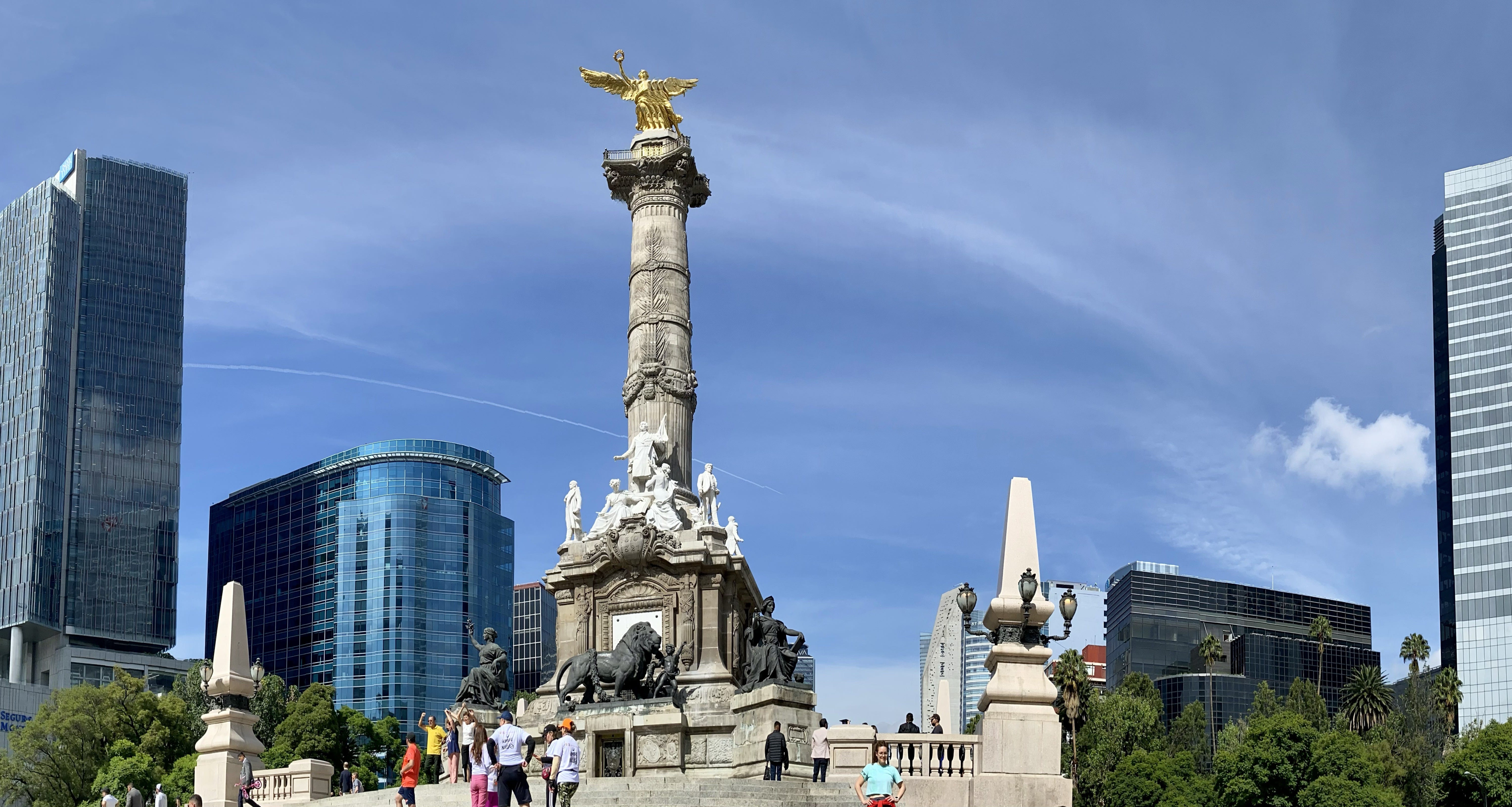
Mexico City is one of the most popular bases in the world for digital nomads and remote workers right now. It offers big-city energy, excellent food, walkable neighbourhoods, and strong internet infrastructure, all at a cost that’s still far lower than most major cities in North America or Europe.
That said, CDMX isn’t the ultra-cheap destination some older blog posts still claim. Rents have climbed in popular areas like Roma, Condesa, and Juárez, and the cost of living has risen with demand.
But compared with cities like New York, San Francisco, London, or Toronto, your money still stretches much further here.
In 2026, the average digital nomad spends about $1,600–$2,400 per month living comfortably in Mexico City. A more upscale lifestyle — central apartment, coworking space, frequent dining out — can run $2,500–$3,200+ per month.
In this article, you’ll find a realistic breakdown of housing, food, transportation, healthcare, and daily costs so you can see what living here actually looks like.
Cost of Living in Mexico City, at a Glance
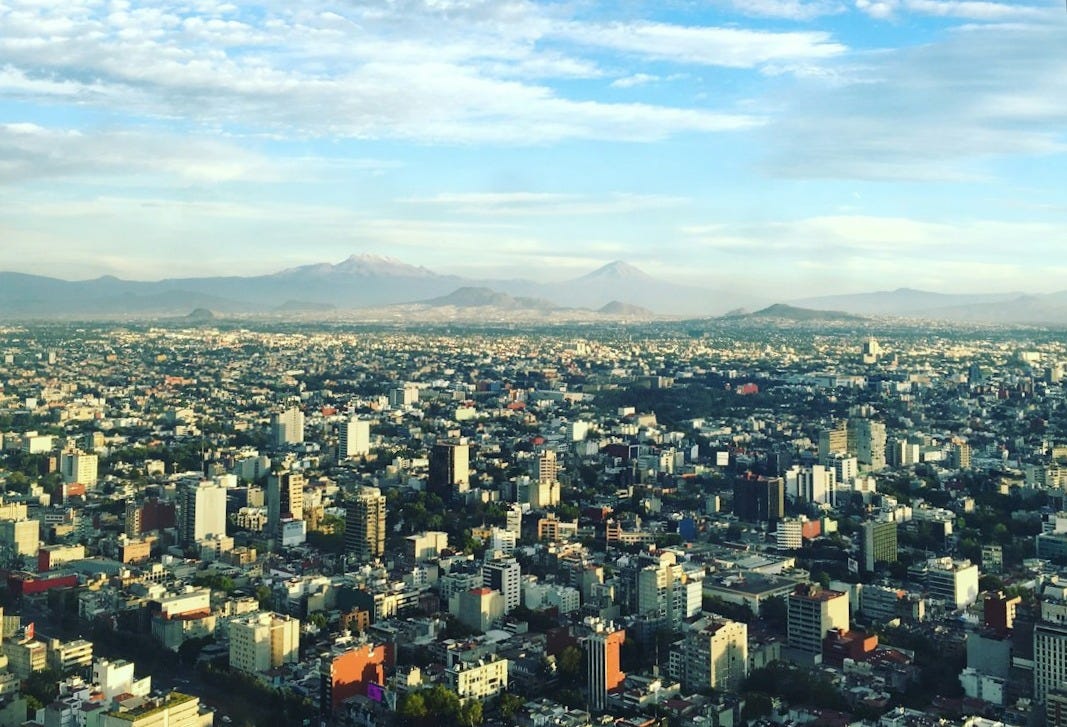
Like many places, housing will usually be your biggest expense (especially in popular neighbourhoods) while food, transportation, and healthcare remain relatively inexpensive.
If you’re looking to make this your home base for a while in 2026, a comfortable monthly budget falls somewhere between $1,600 and $3,200, depending on your housing choices and lifestyle.
The quick snapshot below shows typical costs for rent, food, transportation, and everyday expenses so you can see what living in CDMX really looks like.
Affiliate Disclosure: Some links in this article may be affiliate links, meaning we may earn a small commission at no extra cost to you. We only recommend tools and services we genuinely trust and use ourselves.
Mexico City Housing Costs
While rents have climbed in recent years as more remote workers arrive from the United States and elsewhere, Mexico City is still more affordable than most major cities in North America and many global hubs across Latin America.

Prices vary widely depending on the neighbourhood, building amenities, and whether you’re renting short-term or signing a longer lease.
Most digital nomads choose a furnished apartment, especially if they’re staying for a few months. A typical one-bedroom in central areas usually ranges from $800–$1,500 per month, while similar housing units outside the most popular districts may cost $550–$900.
Short-term listings—particularly those marketed as a luxurious apartment with rooftop pools, gyms, or concierge services—can easily exceed that range, especially in neighbourhoods popular with expats.
Where to rent in Mexico City
Many migrants and remote workers gravitate toward neighbourhoods like La Condesa, Roma Norte, and Juárez. These areas are walkable, full of cafés and restaurants, and well connected by public transit.
Because demand is high, rents here tend to sit at the upper end of the range, but many nomads choose them for the convenience, lifestyle, and built-in international community.
While Roma Norte, La Condesa, and Juárez get most of the attention, they’re not your only options.
Neighbourhoods like Narvarte, Del Valle, Escandón, and Santa María la Ribera are becoming increasingly popular with remote workers who want a more local feel and slightly lower rents while still staying well connected to the city. Areas like Polanco and Reforma offer a more polished, higher-end experience, while Coyoacán appeals to those looking for a quieter, more residential atmosphere.
What comes with a rental in Mexico City?
One practical question many newcomers have is what actually comes with the apartment.
In most furnished rentals aimed at migrants or digital nomads, you can expect basic furniture including a bed, couch, and dining table, along with kitchen appliances such as a refrigerator and stove.
Many also include cookware, dishes, linens, and Wi-Fi, making it easy to move in without needing to buy household basics.
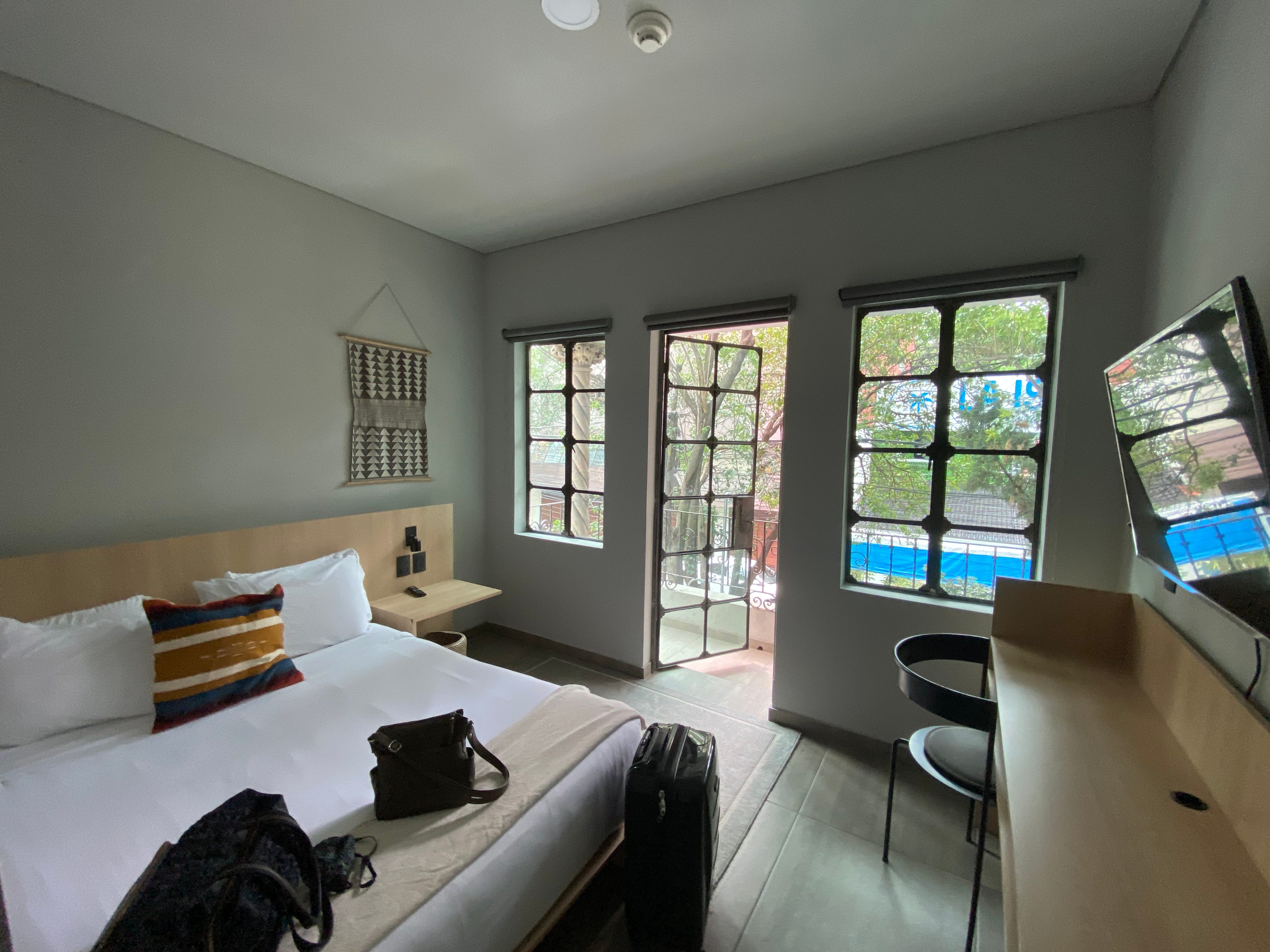
Longer-term leases for unfurnished housing units are different. These units may include appliances but often come with no furniture at all. If you plan to stay for a year or longer, renting unfurnished can sometimes be cheaper overall.
Most short-term residents, however, prefer the convenience of a fully furnished apartment where everything is already set up.
Security features in apartment buildings
Many apartment buildings in Mexico City—especially in areas popular with expats like La Condesa, Roma Norte, and Polanco—have secured entrances. It’s also common for mid-range and higher-end buildings to include a doorman (known locally as a portero) or 24-hour security.
This usually isn’t an extra fee charged separately; it’s typically included in the rent or covered by the building’s maintenance fees.
Budget apartments often have a locked entrance but no full-time doorman. Access might be through a key, keypad, or intercom system. Mid-range buildings frequently include a part-time or full-time doorman who manages deliveries, visitor access, and basic building oversight.
Higher-end or newer buildings are more likely to offer 24-hour security, controlled access systems, and sometimes amenities such as gyms or rooftop terraces.
In general, security features are common in central neighbourhoods, while a doorman usually signals a slightly higher-end building rather than an optional add-on cost.
What security features to look for

Beyond a doorman or secured entrance, there are several practical security features worth checking for when renting an apartment in Mexico City, particularly if you plan to stay for several months.
Many buildings use controlled access systems such as intercoms, key fobs, or keypad entry at the front door. This prevents random people from entering the building and allows residents to buzz in guests or delivery drivers.
Security cameras are common in newer or mid-range buildings. Cameras are typically placed in entrances, lobbies, hallways, and parking areas. While not universal, they’re a good sign that building management takes security seriously.
Some buildings also feature gated entrances or enclosed courtyards that add another layer of separation from the street. If parking is included, gated or underground parking areas are generally more secure than open street-access lots.
Inside the apartment itself, many units have reinforced or metal security doors with multiple locks. If you’re viewing a unit in person, it’s worth checking that the locks feel solid and functional.
Ground-floor apartments sometimes include metal window grilles, known locally as rejas, which are common security features in many parts of Mexico.
Finally, the surrounding street environment matters just as much as the building. Apartments located on well-lit streets with regular foot traffic, cafés, and shops nearby often feel safer than quieter residential blocks late at night.
For most digital nomads living in neighborhoods like La Condesa, Roma Norte, Juárez, or Polanco, it’s common to find controlled entry systems, cameras, and solid building security as standard features. Full-time doormen and 24-hour security are more typical in newer or higher-end buildings, but even mid-range apartments usually include basic security measures.
Budgeting for utilities in Mexico City rentals
Utility costs in Mexico City are generally low compared to most cities in the United States or Canada, but there are a few things newcomers should understand so there are no surprises.
Utilities for a small apartment typically run about $40–$80 per month, though this varies depending on the building and whether utilities are included in your rent.
Many furnished apartments rented to digital nomads bundle electricity, gas, water, and internet into the monthly price, which makes budgeting easier. However, some landlords include them only up to a certain usage cap. If you exceed that limit, you may be asked to pay the difference.
This is especially common with electricity, since air conditioners, heaters, and high power usage can increase costs quickly. Before signing a lease, make sure you know which utilities are included, whether there are usage limits, and what happens if you go over them so you don’t run into surprise charges later.
If you sign a longer-term lease for an unfurnished unit, you’ll usually need to set up and pay these services yourself.
Electricity is one of the main costs to watch. Mexico uses a tiered pricing system through the national utility (CFE), which means the more electricity you use, the higher the rate becomes. Most Mexico City apartments don’t have central heating or cooling, but portable heaters or AC units can push your usage into a higher pricing tier.

Gas is another utility to keep an eye on. Many apartments use gas cylinders or building-wide gas systems to power the stove and sometimes the water heater. If your building uses refillable cylinders, you may need to arrange deliveries periodically. If it uses piped gas, you’ll typically receive a monthly bill.
Internet service is inexpensive and widely available in central neighborhoods. Fiber connections with unlimited data generally cost $20–$35 per month, and speeds are usually fast enough for remote work and video calls. Many furnished rentals already include Wi-Fi, but it’s always worth confirming the speed and reliability if you’ll be working online every day.
One other small detail that surprises some newcomers: water pressure and hot water systems vary by building. Some apartments use on-demand heaters, while others have shared systems. It’s a good idea to check how hot water works during a viewing, especially in older buildings.
Overall, utilities in Mexico City are relatively affordable, but the key things to confirm before signing a lease are whether utilities are included, how electricity is billed, and what type of gas and internet setup the apartment uses.
Food & Groceries in Mexico City
Food is one area where you’ll likely notice the lower cost of living right away compared with cities in the United States, United Kingdom or many parts of Europe.
That’s because Mexico City has an incredible dining scene that ranges from inexpensive neighbourhood restaurants and street food stands to upscale dining experiences. A typical meal at a casual restaurant usually costs about $6–12, while a mid-range dinner for two at a sit-down restaurant often falls between $45–80.


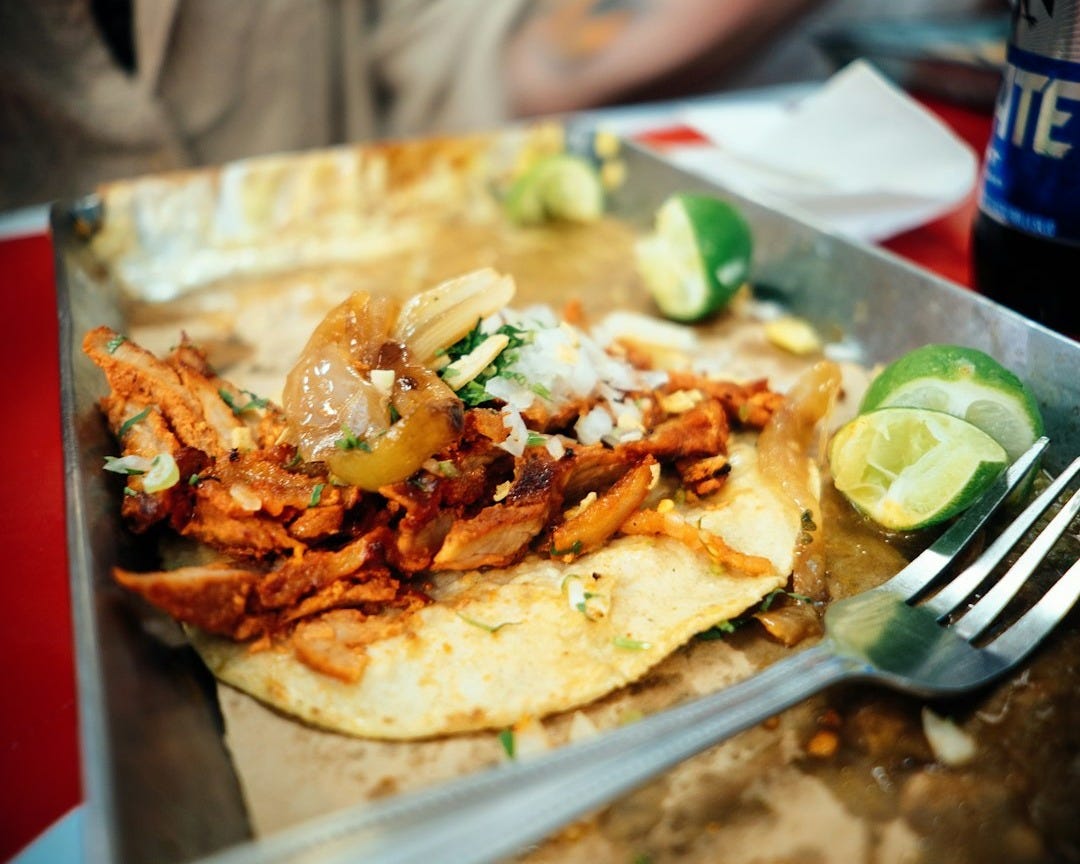
Street food is a huge part of daily life in the city, and tacos, tortas, tamales, and other dishes from food carts or small stalls can cost just a few dollars.
Groceries are also relatively affordable. If you cook regularly at home, you could expect to spend around $230–320 per month on groceries for one person.
Prices can vary depending on where you shop and the exchange rate at the time. Imported products and specialty items often cost more, while local produce, tortillas, eggs, beans, and other staples remain inexpensive. Many residents shop at neighbourhood markets and small stores for fresh ingredients, then visit larger supermarkets for packaged goods.
In practice, you may find yourself eating out more often than expected simply because it’s convenient and affordable. Street food, casual restaurants, and food carts are everywhere, and grabbing tacos or a quick lunch from a local stand is often cheaper than cooking.
One factor that occasionally affects grocery prices is the city’s ongoing water shortage and aging water infrastructure. During periods of drought or supply disruptions, certain produce or agricultural goods can fluctuate in price. It’s rarely dramatic, but it can cause small shifts in the cost of some foods throughout the year.
Even with those variations, many newcomers find that food expenses in Mexico City remain far lower than what they’re used to paying back home.
Transportation: Getting Around Mexico City
Making your way around Mexico City is relatively easy and inexpensive thanks to an extensive public transportation network. The city’s public transport system includes the Metro, Metrobús lines, buses, and light rail, all of which connect most major neighborhoods and business districts.
Many expats in Mexico rely on public transportation for daily errands and commuting because it’s fast, affordable, and widely available. In addition to transit, bike lanes and a growing bike share program make cycling another viable option.
Transportation costs are low compared with many cities in the United States and other parts of the world. A monthly pass for public transit typically costs around $27–35, and individual rides on the Metro or bus system are even cheaper.

Ride-hailing apps and taxis are also widely used, with most trips within central neighbourhoods costing about $4–8 depending on distance and traffic. Because of this, many residents combine public transport with occasional rideshare trips when they need a faster or more direct route.
If you choose to live in neighbourhoods like Roma Norte, La Condesa, or Juárez, you may find that you can walk to cafés, grocery stores, restaurants, and coworking spaces. This walkability helps keep transportation costs low and is one reason these areas are so popular with remote workers and expats in Mexico.
Owning a car in Mexico City is possible but often unnecessary. Traffic congestion can be intense, parking can be difficult to find, and the city’s air quality issues have led to programs that limit when certain vehicles can be driven.
Because of this, many residents rely on public transportation, walking, cycling, or ride-hailing apps instead of maintaining a personal vehicle.
Healthcare Costs
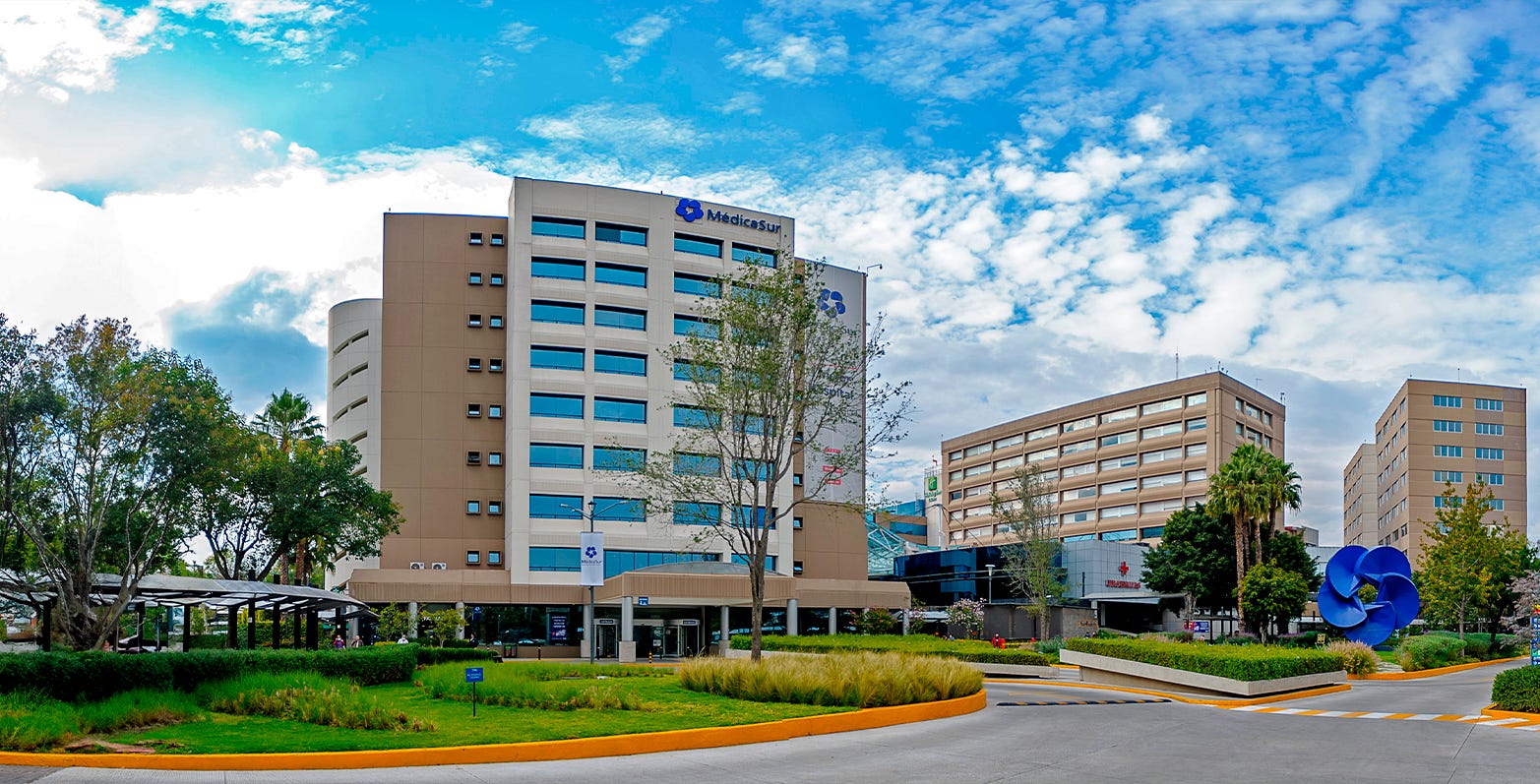
Mexico City has a mix of public and private healthcare, but most digital nomads, migrants, and many expats in Mexico rely on the private system. Private healthcare in the city is generally high quality, with modern facilities, well-trained doctors, and many specialists who have trained or worked abroad.
Several private hospitals serve both locals and international patients, and many doctors speak English, particularly in areas with large international communities or where multinational corporations operate.
The cost of care is one of the major advantages compared with healthcare in the United States. A typical consultation with a private doctor usually costs about $35–55, and many appointments can be scheduled quickly without long wait times.
Routine services such as a dental cleaning typically cost around $55–70, and many clinics offer transparent pricing for common procedures.
If you plan to stay longer or want extra peace of mind, private health insurance is widely available. Annual private health insurance plans typically range from about $1,800–3,200 depending on your age, coverage level, and provider.
Some residents also use international health insurance policies like SafetyWing that cover care both in Mexico and abroad. Even without insurance, many people find that out-of-pocket healthcare costs at private hospitals and clinics are manageable compared with what they would pay for similar care in the United States.
Remote Work Infrastructure
In most central neighbourhoods, you can expect strong fibre broadband internet connections suitable for video calls, file uploads, and everyday remote work.
Home internet service typically costs about $20–35 per month if it isn’t already included with your apartment, and speeds are generally more than adequate for most online work.


If you prefer to work outside your apartment, the city has a thriving coworking ecosystem. Coworking memberships typically range from about $120–220 per month depending on the location and amenities.
Many coworking spaces are clustered in neighbourhoods like Roma Norte, La Condesa, and Polanco, where the startup scene is particularly active and international professionals often gather. These spaces can be useful not just for reliable internet, but also for networking with other entrepreneurs and remote workers.
Cafés are another popular option for getting work done. Coffee usually costs around $2.50–4.50, and many cafés welcome laptops during quieter hours. It’s common to see freelancers and founders working from cafés throughout the city.
Staying connected on the go is also easy. Many remote workers use a local mobile phone plan or an international eSIM provider such as Yesim or Airalo to keep their data connection active while moving around the city. Having mobile data is useful for maps, ride-hailing apps, and backup internet if your home connection goes down.
Mexico City also sits in a convenient time zone for many remote workers. The city operates on Central Time, which overlaps well with working hours in the United States and Canada. That makes it easier to collaborate with clients, companies, or multinational corporations without needing to adjust your schedule too drastically.
One practical tip for managing money while living in Mexico City is to use an international account like Wise. Many digital nomads rely on Wise to hold multiple currencies, receive payments, and transfer money at competitive exchange rates.
It also provides local bank details in several currencies, which can make it easier to pay rent, coworking memberships, and other monthly costs without needing to open a traditional Mexican bank account right away.
Estimated Monthly Budgets
What you’ll actually spend in Mexico City depends heavily on how you choose to live.
Some people keep things simple with a modest apartment and mostly local meals. Others prioritize walkable central neighborhoods, coworking spaces, and a mix of dining out and convenience.
And then there are those who lean into a more high-comfort expat lifestyle with premium housing, frequent rides, and higher-end services.
The ranges below reflect those different approaches to living in the city as a single remote professional. Use them as a realistic baseline, then adjust based on your own habits, priorities, and how much comfort or flexibility you want to build into your day-to-day life.
Is Mexico City Affordable for Digital Nomads?
Mexico City can be affordable, but that’s not really the point.
It works best for people looking to build a full, enjoyable life—good food, walkable neighbourhoods, strong café culture, and a rhythm that feels both productive and social. You can live well here without the constant financial pressure of cities in the United States or Europe.
But if you come here focused only on saving money, you’ll miss what makes it special. Come for the lifestyle, the culture, and the experience of living well—and the numbers tend to make sense alongside it.
Downsides to Consider
Mexico City offers a high quality of life, but it’s not without trade-offs.
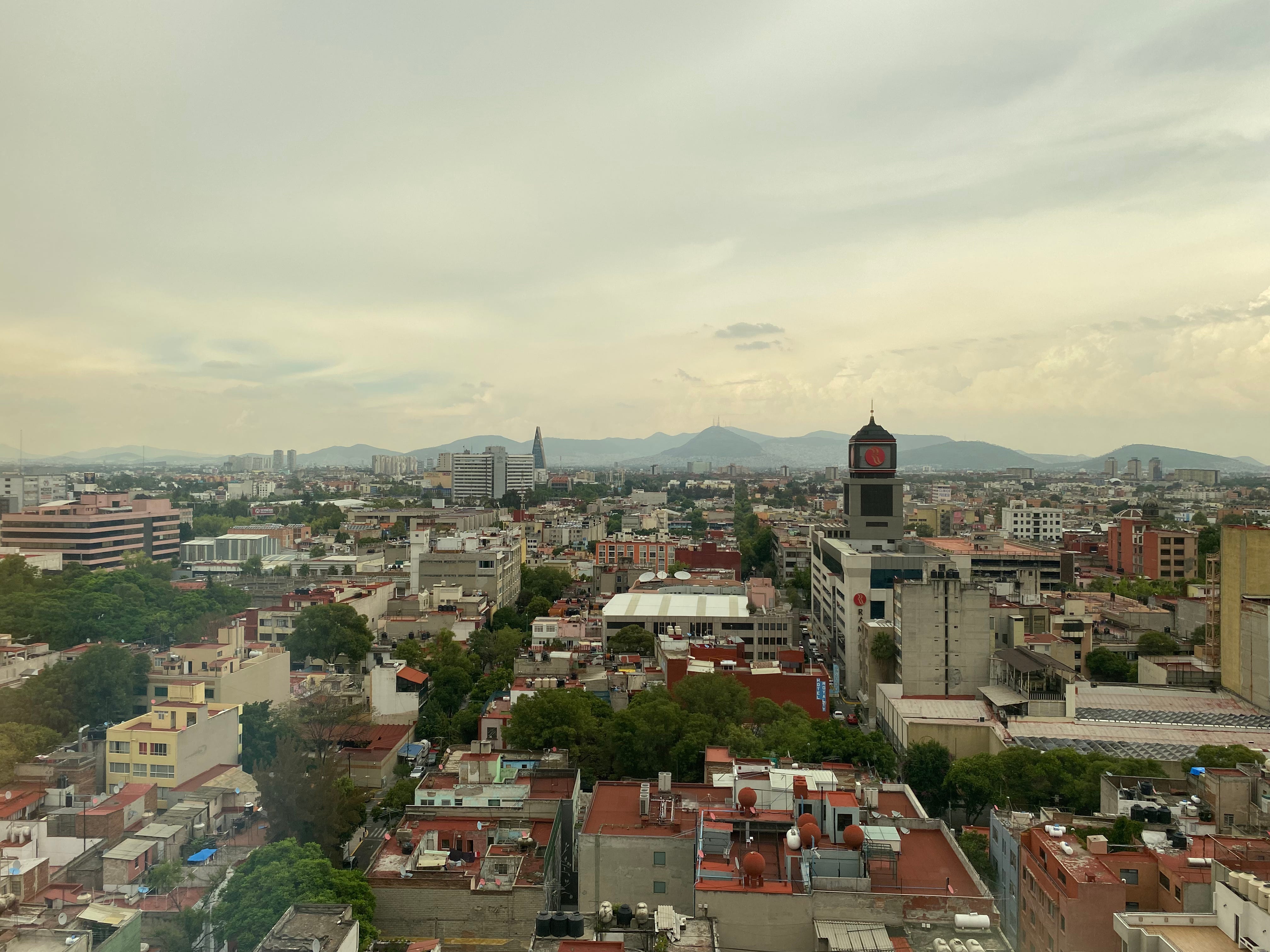
Air quality can be an issue, especially during certain times of year. The city sits in a high-altitude basin, which can trap pollution and make some days feel hazy or heavy.
Bureaucracy can also be slow and frustrating if you’re dealing with visas, banking, or longer-term logistics. Things don’t always move quickly, and processes aren’t always straightforward.
Seasonal demand impacts both pricing and availability. During peak periods, short-term rentals in popular neighbourhoods can fill up quickly and cost more than expected.
And while the weather is generally mild year-round, the rainy season (typically May through October) brings frequent afternoon downpours that can disrupt plans if you’re not used to it.
None of these are dealbreakers for most people, but they’re worth factoring in so you arrive with realistic expectations.
The Bottom Line
Mexico City is a place you grow into.
It rewards curiosity, flexibility, and a willingness to engage with the rhythm of a city that’s complex, vibrant, and constantly moving. The more time you spend here, the more it reveals itself—through its neighbourhoods, its food, its people, and the everyday moments that start to feel like your own.
It’s not perfect, and it’s not trying to be.
But for those building a location-independent life, it offers something that matters far more than perfection: a place where work, lifestyle, and community can come together in a way that feels both sustainable and deeply lived.
Disclaimer
Cost of living estimates in this guide are based on the best available data at the time of publication, including local listings, price databases, and market averages. Actual costs can vary depending on neighbourhood, lifestyle, exchange rates, and market conditions. Always confirm current prices through local sources before making relocation or budgeting decisions.
This guide is part of the Midlife Nomads Cost of Living Index.
Sources
Cost estimates in this guide are based on publicly available market data and local listings, including:
Numbeo cost-of-living database
Expatistan price comparisons
Local real estate listings and rental platforms
Supermarket price checks and restaurant menus
Coworking space pricing and local service providers
All prices are converted to USD for consistency.
You might also like:


