

Cost of Living in Lisbon, Portugal for Digital Nomads (2026)
What does it actually cost to live in Lisbon in 2026? A realistic breakdown of rent, groceries, healthcare, and monthly budgets for remote professionals.

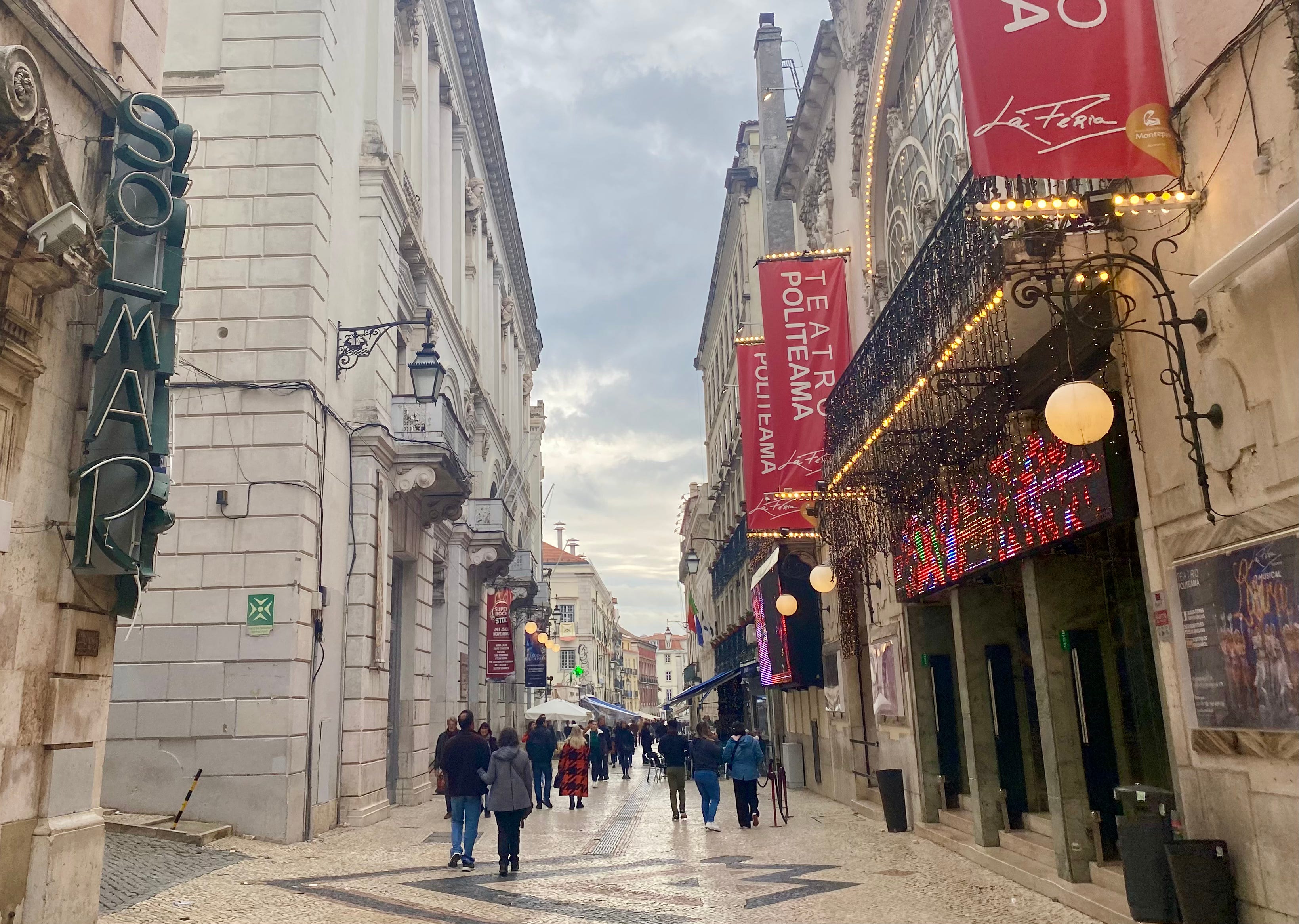
Lisbon has become one of Europe’s most established bases for remote workers. Reliable infrastructure, strong public transit, and a large international community make it relatively easy to settle into everyday life while working online.
Add a mild climate, walkable neighbourhoods, and a café culture that naturally supports remote work, and it’s easy to see why many professionals choose to stay for months (or even years).
For those considering a longer stay, the practical question is cost. Lisbon sits somewhere between the cheaper nomad hubs of Southeast Asia and the far higher prices of cities like London or Paris. Housing is the largest expense, but groceries, transportation, and healthcare remain relatively manageable by Western European standards.
In 2026, a single remote professional can expect to spend roughly $1,950–$2,550 per month on a budget lifestyle in Lisbon.
A more typical setup—with a central apartment, coworking access, and regular meals out—usually falls between $2,700 and $3,400, while a higher-comfort expat lifestyle can reach $3,700–$4,800 per month.
The guide below breaks down those costs in more detail.
Keep reading for:
Cost of Living in Lisbon at a Glance
Lisbon Housing Costs
Food & Groceries in Lisbon
Transportation in Lisbon
Healthcare Costs
Lisbon’s Remote Work Infrastructure
Is Lisbon Affordable for Digital Nomads?
Downsides to Consider
The Bottom Line
Cost of Living in Lisbon at a Glance
Recommended reading:

Lisbon Housing Costs
Lisbon’s housing market has tightened considerably in recent years, but it remains one of Europe’s most popular bases for remote workers. Demand from international residents, remote professionals, and Portugal’s residency visa programs continues to keep rents elevated, particularly in central neighbourhoods.

In 2026, a typical one-bedroom apartment in Lisbon generally falls between €1,200 and €1,600 per month ($1,300–$1,750 USD) across the city.
Most apartments marketed to international renters come fully furnished, often including basic kitchen equipment, linens, and reliable internet service. For remote workers arriving without household belongings, this setup can make the transition significantly easier, even if furnished units usually cost slightly more than unfurnished leases.
In central areas such as Baixa, Chiado, or Príncipe Real, furnished one-bedroom apartments commonly range from $1,500 to $1,900 per month, depending on building quality and proximity to transit.
Outside the historic core, neighbourhoods like Alvalade, Benfica, or Olaias offer similar apartments in the $1,000 to $1,300 range, often with quieter residential streets and easier access to grocery stores, parks, and metro lines.
Short-term rentals remain widely available through platforms like Airbnb, though they typically cost 30–50 percent more than long-term leases. For remote professionals planning to stay several months or longer, signing a six- or twelve-month lease usually brings much better value.

Most landlords also prefer longer commitments, particularly as Portugal has introduced tighter regulations on short-term rentals in central districts.
Different neighborhoods appeal to different lifestyles. Príncipe Real and Bairro Alto are among the most walkable areas, close to cafés, coworking spaces, and restaurants.

Campo de Ourique offers a more residential atmosphere with local markets and quieter streets, while Alvalade and Benfica provide better value and easy metro connections to the city center.
For anyone considering a longer stay, it’s worth working with local rental platforms such as Idealista or reputable agencies. Apartments can move quickly, and prices sometimes leave room for negotiation, especially for tenants willing to commit to a year-long lease.
Food & Groceries in Lisbon
Lisbon’s restaurant scene ranges from inexpensive neighbourhood cafés to polished waterfront dining, but everyday meals remain fairly accessible by Western European standards.

A typical inexpensive meal—often a lunch special known locally as a menu do dia—usually costs around $12–16 and often includes a main dish, drink, and coffee.
Dinner prices vary more widely, but a mid-range restaurant meal for two with wine generally lands between $60 and $85. Tourist-heavy areas like Chiado or parts of Baixa tend to run slightly higher, while neighbourhood restaurants outside the historic core often offer better value.
Groceries remain relatively affordable compared with many North American cities. A single person can usually keep monthly grocery spending between $280 and $420, depending on how often imported products make it into the basket.
Major supermarket chains such as Pingo Doce, Continente, Lidl, and Aldi offer the best everyday prices, while neighborhood markets can be a good source for seasonal produce and seafood.
Typical grocery staples in Lisbon (mid-2026 averages):
Milk (1L): $0.85–1.00
Eggs (dozen): $2.20–3.00
Chicken breast (1kg): $6.00–7.50
Rice (1kg): $1.10–1.60
Fresh vegetables (1kg, e.g., potatoes): $1.00–2.00
Cheese (1kg local): $9.00–13.00
Wine (decent bottle): $3.50–8.00


In practice, most remote workers end up doing a mix of both. Cooking at home keeps grocery spending predictable, while Lisbon’s café culture and affordable lunch specials make eating out a regular part of daily life.
Many residents rely on groceries for breakfasts and simple dinners, then meet friends for occasional restaurant meals or long weekend lunches. This hybrid approach keeps food spending manageable while still enjoying one of Lisbon’s biggest lifestyle perks: its relaxed dining culture.
Transportation in Lisbon
Getting around Lisbon is relatively straightforward thanks to a well-connected public transportation system that includes metro lines, buses, historic trams, commuter trains, and ferries.

Most residents use the Navegante transit system, which allows travel across these networks using a single rechargeable Viva Viagem card. The metro is usually the fastest way to cross the city, while trams and buses help cover neighborhoods the subway doesn’t reach.
Ride-hailing services such as Uber, Bolt, and Free Now are widely available and inexpensive compared with many Western cities.
Walkability varies depending on the neighborhood—areas like Baixa and Chiado are compact and easy to navigate on foot, while hillside districts like Alfama can involve steep climbs.

For most remote workers, transportation costs remain fairly modest. A Navegante Municipal pass providing unlimited travel within Lisbon typically costs around $42–48 per month. Occasional ride-hailing trips add a bit more, with typical Uber or taxi fares around $8–13 for short rides across the city.
Even with a mix of transit and occasional rides, many residents keep their monthly transportation spending between about $50 and $80.
Car ownership is uncommon for digital nomads living in Lisbon. Traffic congestion, limited parking, and narrow historic streets make driving less appealing than public transit or ride apps.

In addition, parking fees and insurance costs add up quickly. For most people living near a metro line or in central neighborhoods, the combination of public transportation, walking, and occasional ride-hailing provides an easier and more cost-effective way to get around.
Healthcare Costs
Portugal has a mixed healthcare system that combines a public national service with a strong private sector. The public system, known as the Serviço Nacional de Saúde (SNS), provides low-cost care to residents once they are registered locally.
While the quality of care is generally good, wait times for non-urgent specialist appointments can stretch several months. For that reason, many expats and remote professionals rely primarily on private clinics and hospitals for routine care and faster access to specialists.

Lisbon’s private healthcare network is modern and widely used by international residents. Major hospital groups such as CUF and Hospital da Luz offer English-speaking doctors, modern facilities, and relatively quick appointment availability.
Costs remain significantly lower than what many people are used to in North America or the UK. Typical private healthcare costs in Lisbon include:
Private doctor consultation: $65–110
Dental cleaning: $55–85
Annual private health insurance: $900–1,600
Many long-term residents choose to carry private health insurance to cover larger medical expenses and hospital stays. Plans typically include access to private hospitals, diagnostic testing, and partial reimbursement for specialist visits.

Lisbon’s Remote Work Infrastructure
Lisbon has become one of Europe’s most reliable cities for remote work. Fiber internet is widely available across the city, with major providers such as MEO, NOS, and Vodafone delivering average fixed broadband speeds between about 150 and 230 Mbps.
Many residential fiber plans offer 500 Mbps or faster connections for roughly $35–55 per month, which is more than sufficient for video calls, large file uploads, and cloud-based work.

Mobile 5G coverage is also strong, making it easy to stay connected while working from cafés or moving around the city.
The coworking ecosystem has expanded quickly as Lisbon’s remote-work community has grown. The city now hosts dozens of coworking spaces across neighborhoods like Príncipe Real, Santos, and Bairro Alto.
Well-known options such as Heden, Second Home Lisbon, and Outsite offer monthly memberships generally ranging from about $220 to $320, with amenities like ergonomic workstations, meeting rooms, and community events.

Many cafés also function as informal workspaces, with reliable Wi-Fi and inexpensive coffee (often around $1.70 to $2.60 per cup) though dedicated coworking spaces tend to provide a more consistent environment for focused work.
Lisbon’s time zone is another advantage for remote professionals working with international teams. Portugal operates on Western European Time (UTC+0), which overlaps comfortably with most of Europe and still provides several working hours with North American schedules.
For many remote workers earning USD or EUR-based salaries, this makes Lisbon a relatively easy base for coordinating meetings while still maintaining a normal daily routine.
Estimated Monthly Budgets
Lisbon supports a range of lifestyles depending on housing choices, dining habits, and workspace preferences. These estimates reflect realistic monthly spending for a single remote professional in 2026.

Budget lifestyle ($1,950–$2,550/month)
This range typically means living slightly outside the city center in a modest furnished one-bedroom apartment, usually around $1,000–1,300 per month.
Groceries make up most meals, with occasional inexpensive lunches out, while transportation relies on a monthly transit pass. Many remote workers at this level work from cafés rather than coworking spaces. It’s a practical setup for those prioritizing savings while still enjoying Lisbon’s day-to-day quality of life.
Comfortable lifestyle ($2,700–$3,400/month)

This is where many remote professionals land. It generally includes a centrally located one-bedroom apartment, regular meals out, a dedicated coworking membership, and occasional ride-hailing trips around the city.
With groceries, dining, and social activities balanced, this budget allows for a lifestyle that feels comparable to many Western cities while still remaining manageable.
High-comfort expat lifestyle ($3,700–$4,800/month)
At this level, Lisbon begins to feel like an upscale European base. Housing typically means a larger or higher-end apartment in central neighborhoods such as Príncipe Real or Bairro Alto.
Dining out becomes more frequent, coworking and social memberships are standard, and private health insurance and healthcare access are comfortably covered.
For remote professionals earning higher international salaries or successful entrepreneurs, this budget allows for a very comfortable lifestyle while still remaining below the cost of many major Western capitals.

Is Lisbon Affordable for Digital Nomads?
Lisbon can be a very appealing base for remote professionals, but it’s no longer the bargain it once was. Rising rents and steady demand from international residents have pushed housing costs higher in recent years.

Even so, compared with many Western European capitals, the overall cost of living remains relatively manageable—especially for those earning remote salaries in USD, GBP, or higher-end EU markets.
The city tends to work best for professionals with stable remote income who value walkability, strong healthcare access, and a lively international community.
Lisbon’s infrastructure, public transit, and reliable internet make it easy to settle into a productive routine, while its café culture and mild climate support a lifestyle that feels both social and sustainable.
The trade-offs mostly come down to housing prices and seasonality. Central apartments can be expensive, and popular neighborhoods become crowded during peak tourism months.
But for many remote workers looking for a European base with strong quality of life and solid infrastructure, Lisbon still offers a compelling balance between cost, culture, and day-to-day livability.
Downsides to Consider
Lisbon offers an appealing lifestyle, but it comes with a few practical challenges that are worth considering if you’re planning to stay longer than a short visit.

Housing availability is the biggest friction point for many newcomers. Strong demand from international residents and tourism has pushed rents higher in recent years, and well-priced apartments can move quickly.
Finding a comfortable long-term rental may take time, especially in central neighborhoods. Many people begin with temporary housing before securing a longer lease.
Bureaucracy is another part of settling in. Portugal’s visa and residency systems are generally accessible, but administrative processes can move slowly. Tasks like registering for healthcare, opening bank accounts, or completing immigration appointments often require patience and multiple visits.
Tourism pressure affects daily life in some parts of the city. Central districts such as Baixa, Alfama, and Bairro Alto can become crowded during peak travel months, bringing noise and busy streets.
Many long-term residents prefer quieter neighborhoods like Campo de Ourique, Alvalade, or Benfica while still staying connected to the city center.
Housing comfort can also surprise people coming from North America or Northern Europe. Many historic apartments lack central heating or modern insulation, which can make winter months feel colder indoors than expected. Newer buildings solve this, but they typically come at a higher rental price.
None of these issues are dealbreakers for most residents, but they are part of the reality of living in a historic European capital. Understanding them upfront helps set realistic expectations for anyone considering Lisbon as a longer-term base.
The Bottom Line

Lisbon offers a strong combination of infrastructure, culture, and everyday livability that’s difficult to find elsewhere in Europe. Reliable public transit, fast internet, accessible healthcare, and an active international community make it relatively easy to settle into daily life while working remotely.
The city tends to work best for professionals with stable remote income who value quality of life as much as cost savings. Housing is the biggest expense, but groceries, transportation, and healthcare remain manageable compared with many Western European capitals.
Lisbon isn’t the cheapest digital nomad destination, but it offers something many cheaper places don’t: stability. For remote professionals looking for a European base where they can work productively, access good healthcare, and build a routine over the long term, Lisbon continues to be one of the more practical options.
Disclaimer
Cost of living estimates in this guide are based on the best available data at the time of publication, including local listings, price databases, and market averages. Actual costs can vary depending on neighbourhood, lifestyle, exchange rates, and market conditions. Always confirm current prices through local sources before making relocation or budgeting decisions.
This guide is part of the Midlife Nomads Cost of Living Index.
Sources
Cost estimates in this guide are based on publicly available market data and local listings, including:
Numbeo cost-of-living database
Expatistan price comparisons
Local real estate listings and rental platforms
Supermarket price checks and restaurant menus
Coworking space pricing and local service providers
All prices are converted to USD for consistency.
You might also like:


