



Buenos Aires has long held a certain pull for remote workers… and once you’ve spent even a few days here, it’s easy to understand why. This is a city where European architecture meets Latin American energy, where café culture isn’t a trend but a way of life, and where you can just as easily spend your afternoon working from a leafy plaza as a stylish coworking space.
For digital nomads and remote workers looking for a place that feels vibrant, cultured, and deeply livable, Buenos Aires ticks a lot of boxes.
It’s also one of those rare cities that still offers a compelling balance between lifestyle and affordability — especially when compared to North American and European hubs.
While Argentina’s economic fluctuations can make pricing a moving target, many remote workers earning in USD or EUR find their money stretches significantly further here. Think long dinners out, regular coffees, and a comfortable apartment… without the constant mental math.
In practical terms, most digital nomads can expect to spend anywhere from $900 to $1,800 per month living in Buenos Aires, depending on lifestyle and accommodation choices.
It’s entirely possible to live well on the lower end, but with a bit more room in your budget, you can lean into everything the city does best — great food, beautiful spaces, and a pace that invites you to slow down and actually enjoy it.
Cost of Living in Buenos Aires at a Glance

We compile our estimates using a mix of primary data sources including Numbeo, Expatistan, local rental listings, grocery chains, coworking spaces, healthcare providers, and telecom companies — focusing on real, current pricing rather than secondhand summaries from other blogs.
Recommended reading:

Buenos Aires Housing Costs
Buenos Aires apartments have a distinct personality, and part of the experience is learning how buildings here actually function.
Most units—especially in older neighborhoods like Recoleta or parts of Palermo—are in mid-rise buildings with character: high ceilings, large windows, sometimes slightly dated kitchens or bathrooms, and layouts that don’t always follow modern open-concept design.
Secure entry is standard in most buildings, often with a doorman (portero) or at least a buzzer system, so safety tends to feel solid in the main expat areas.
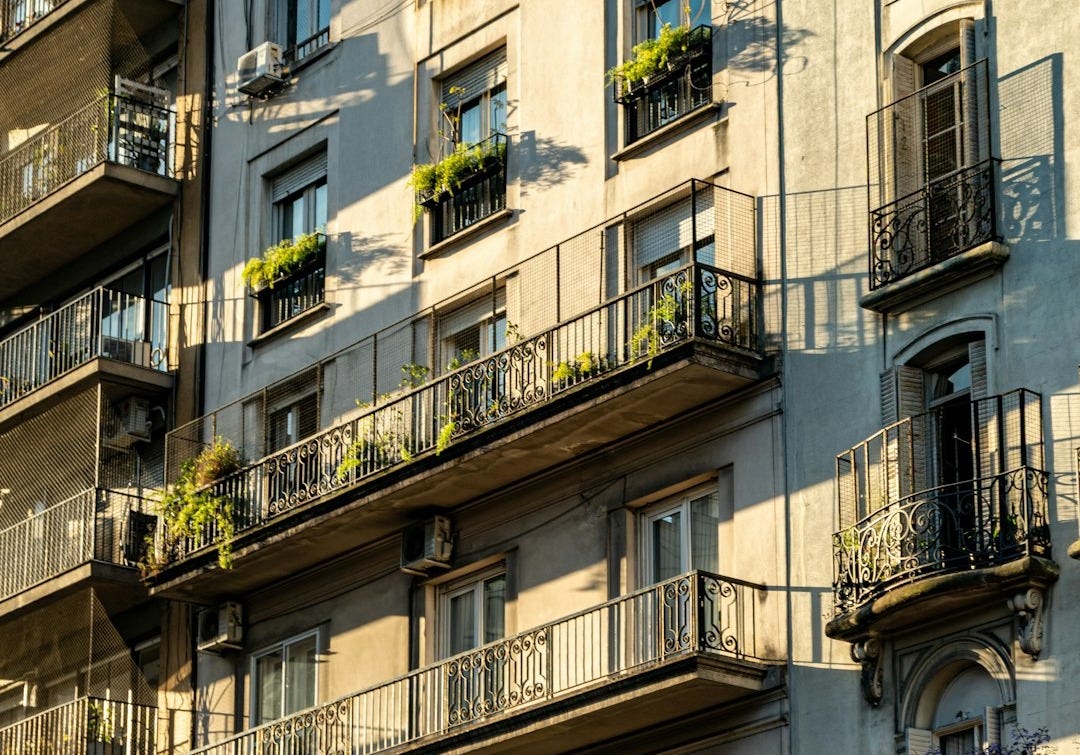
There are a few practical quirks to be aware of. Clothes dryers are rare (even in nicer apartments) so you’ll likely be using a washing machine and air-drying on a rack or balcony.
Elevators are common in apartment buildings, but they’re often small and older (and occasionally slow), so don’t expect North American condo-style amenities.
Heating and cooling can also vary: many places rely on wall-mounted AC units and gas heaters, rather than central systems, so it’s worth checking what’s installed if you’re staying through different seasons.
In terms of pricing, a one-bedroom apartment in central areas typically runs $350–600/month, with more local neighborhoods coming in closer to $250–400.
Furnished rentals dominate the short-term market, and they’re generally well set up for remote work — but you’ll pay a premium for that convenience. If you’re staying longer, unfurnished leases can be significantly cheaper, though they come with more bureaucracy and setup.

Most digital nomads land in Palermo, Recoleta, or Belgrano, each offering a slightly different rhythm of life. Palermo is the go-to for cafés, coworking, and walkability. Recoleta feels more classic and residential, while Belgrano offers a quieter, more local vibe with good transit connections.
If you’re comfortable going a bit further out, neighborhoods like Caballito or Almagro can offer better value—and a more authentic day-to-day experience.
Overall, housing in Buenos Aires is less about luxury amenities and more about livability and location. You’re trading things like in-unit dryers or brand-new finishes for space, charm, and a city that’s incredibly easy to settle into once you understand how it works.
Food & Groceries in Buenos Aires

Eating out in Buenos Aires is one of the joys of living here. You can sit down for a solid meal at a neighborhood parrilla (steakhouse) for $6–12, and it won’t feel like you’re cutting corners.
A proper steak, a glass of Malbec, maybe some grilled vegetables or fries… it adds up to something that feels indulgent without the price tag.
Mid-range dinners—think a date night with wine and dessert—usually land in the $30–70 range for two, which is a fraction of what you’d pay in most North American or European cities.
Groceries are where things get interesting. On paper, a $200–350 monthly budget is realistic for one person, but what that looks like depends on how you shop.
Buenos Aires still leans heavily on small, specialized shops rather than one-stop supermarkets. You’ll likely pick up produce from a verdulería, meat from a carnicería, and bread from a local bakery.
Fresh food is abundant and often seasonal—juicy tomatoes in summer, sweet mandarins in winter—and the quality is noticeably higher than what many people are used to back home.

That said, not everything is cheap. Imported goods can be surprisingly expensive or hard to find, and certain pantry staples fluctuate with Argentina’s inflation.
You learn quickly to eat more like a local: lots of beef, pasta, simple salads, empanadas, and milanesas (breaded cutlets that show up everywhere).
Coffee culture is strong, though it leans more traditional… don’t expect third-wave everything on every corner, but you will find a cortado or café con leche for $2–4 in just about any café.
Lifestyle-wise, many nomads fall into a rhythm of cooking at home during the week and eating out often not because it’s dramatically cheaper, but because it’s easy, social, and genuinely enjoyable.
Transportation In & Around Buenos Aires
Getting around Buenos Aires is straightforward, affordable, and (once you get the hang of it) surprisingly efficient.

The city is highly walkable in most central neighbourhoods, especially Palermo, Recoleta, and parts of Belgrano, where cafés, grocery shops, and parks are all within a few blocks.
For longer distances, the Subte (subway) and extensive bus network (colectivos) cover most of the city. The system runs on a rechargeable SUBE card, and while it’s not as polished as some European metros, it’s reliable and heavily used by locals.
A monthly transit spend often lands around $20–30, even with regular use of buses and the subway. Taxis and ride-hailing apps like Cabify and Uber are also widely available and inexpensive, and most rides within the city cost $3–7, making it easy to default to a car late at night or when you don’t feel like navigating transit.
That said, traffic can get heavy during peak hours, and drivers don’t always follow the rules as closely as you might expect, so it’s worth factoring in extra time.
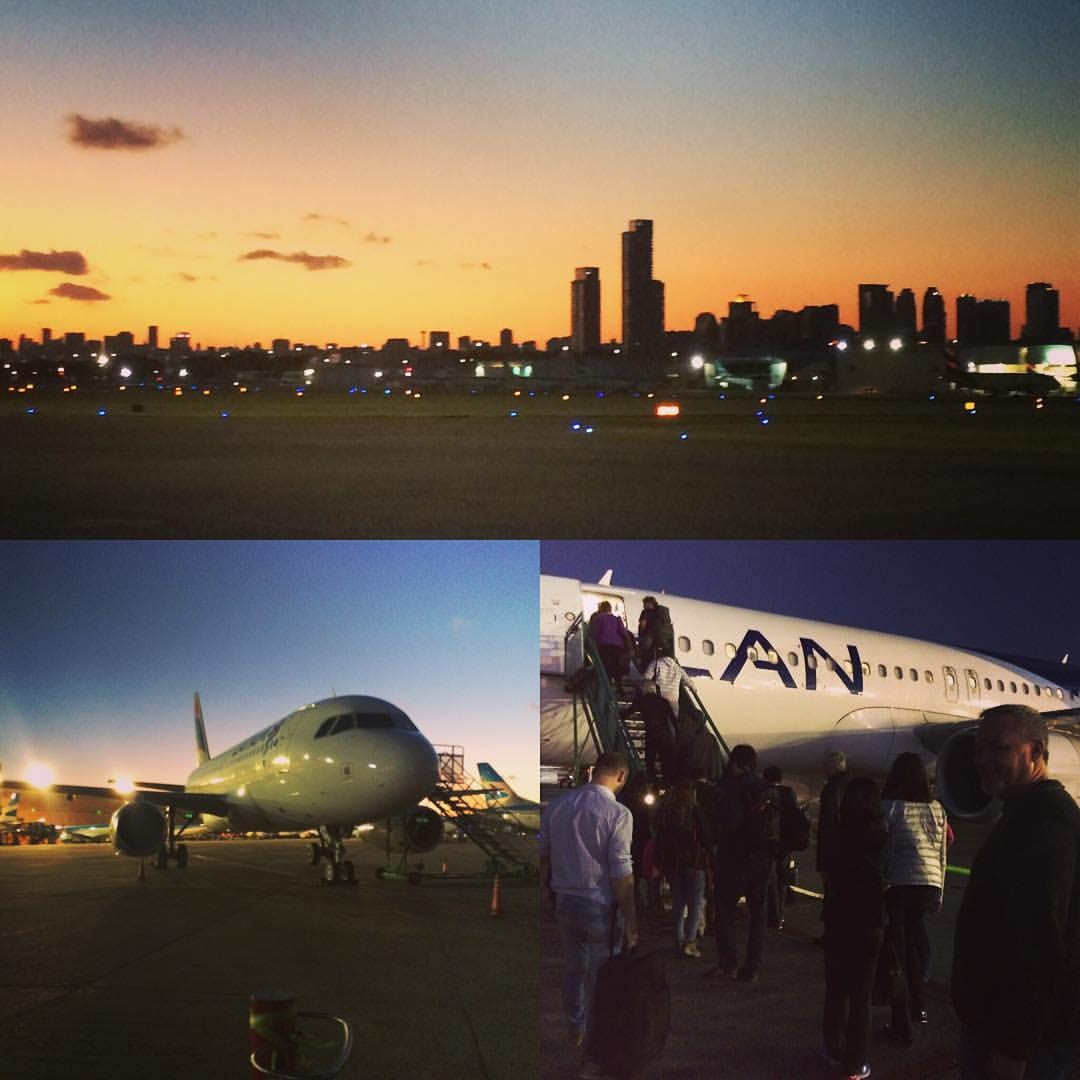
From a safety standpoint, public transit is generally fine during the day, but like any major city, you’ll want to stay aware, especially on crowded buses or subway lines where pickpocketing can happen. Many locals opt for ride apps after dark, particularly if they’re heading farther across the city.
As for car ownership, most digital nomads skip it entirely. Parking can be a hassle, fuel costs add up, and the combination of walkability + cheap transit + affordable rides makes it unnecessary for daily life.
Buenos Aires is a city best experienced on foot and by short rides, where getting around feels easy enough that you don’t think about it too much, which is exactly the point.
Healthcare Costs
Argentina has a strong public healthcare system, but most expats and digital nomads in Buenos Aires opt for private care, which is both affordable and high quality by international standards.

The city is home to well-regarded private hospitals and clinics like Hospital Alemán, Hospital Italiano, and Clínica y Maternidad Suizo Argentina, where many English-speaking doctors practice.
These are the places foreigners typically go for anything from routine checkups to more specialized care, and the overall experience tends to feel closer to European private healthcare than what you might expect in Latin America.
Out-of-pocket costs are reasonable. A private doctor’s visit usually runs $30–60, often with short wait times, and specialists are accessible without long referral processes.
Dental care is similarly affordable, with cleanings in the $50–100 range. Many nomads simply pay as they go for basic care, especially for shorter stays, because the upfront costs are manageable compared to countries like the U.S.

For longer stays or added peace of mind, private insurance is widely available. Local plans (through providers like OSDE or Swiss Medical) are an option if you’re staying longer-term, though they can require residency or more paperwork.
Most digital nomads instead go with international insurers like SafetyWing or Cigna Global. Expect to pay roughly $800–2,000 per year, depending on age and coverage level. These plans are designed to move with you, which is ideal if Buenos Aires is just one stop in a broader itinerary.
One thing to keep in mind: while care quality is high, the system runs a bit differently. You may need to pay upfront and get reimbursed, and not all clinics accept foreign insurance directly.
Still, access, affordability, and quality make Buenos Aires one of the easier places to stay on top of your health while living abroad.

Remote Work Infrastructure
Buenos Aires is one of the easier cities in Latin America to settle into a remote work routine, but it’s not without its quirks.
Internet is generally fast and reliable, especially in central neighborhoods, with fiber connections typically running 100–300 Mbps in apartments. That said, consistency can vary by building. Older apartments (which are common) don’t always have the same infrastructure, so it’s worth confirming speeds with your host before booking.
Power outages are rare but not unheard of in summer during peak demand.
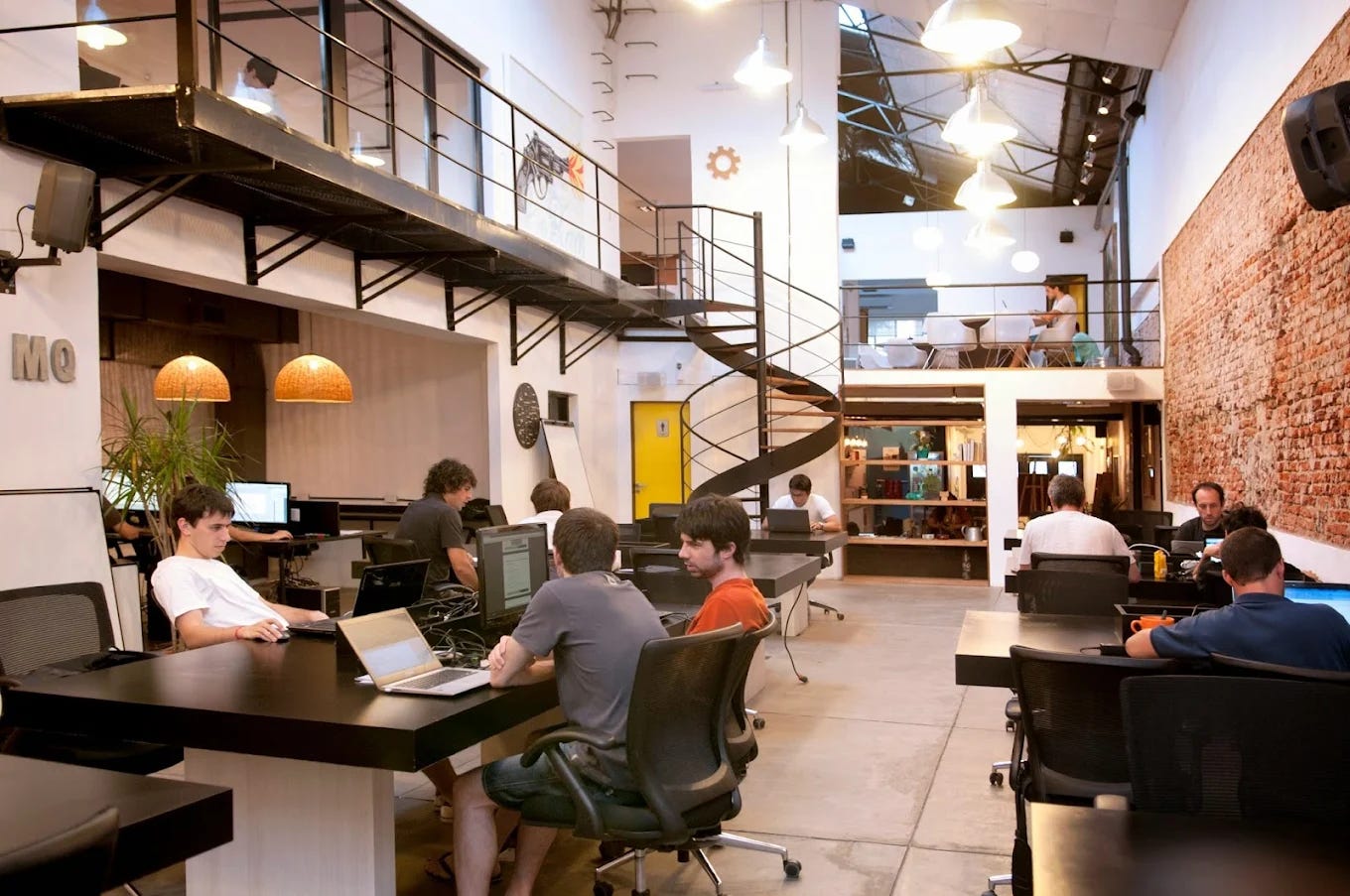
Coworking is well established, though not as saturated as cities like Mexico City. You’ll find solid options like La Maquinita, AreaTres, and WeWork, with monthly memberships ranging from $100–250.
Many nomads use coworking selectively, maybe a few days a week, because apartments are usually spacious enough to work comfortably from home. The bigger draw is the social side: meeting people, getting out of your own head, and having a more structured workday when you need it.
Cafés are everywhere, and working from them is part of the culture… but with a slightly different pace. This isn’t a laptop-first coffee scene. You can absolutely work from cafés, especially in Palermo, but don’t expect every spot to be set up for it with outlets and fast Wi-Fi.
Instead, it’s more about settling in for a couple of hours with a cortado or medialuna and easing into your day. Coffee runs about $2–4, and no one’s rushing you out the door.

Time zone-wise, Buenos Aires sits at GMT-3, which lines up well with North America, especially East Coast hours.
Mornings tend to be slower, with many locals starting their day later, which can actually work in your favor if you’re juggling clients or teams abroad. Evenings stretch late here, so it’s easy to slide into a schedule where you work in the morning and early afternoon, then step out into a city that’s just getting started.
Estimated Monthly Budgets
Budget ($900–1,400/month): Life is basic but feasible for a single remote worker—think a modest outer-neighborhood apartment, cooking most meals from local markets, relying on cheap public buses, and using low-cost coworking a few days weekly. Savings are high, but creature comforts like frequent dining or central location are rare.
Comfortable ($1,800–2,500/month): This tier offers a solid routine with a decent apartment outside the hectic center, balanced eating (groceries plus casual restaurants), regular coworking access, and some rideshares for convenience. It’s enjoyable daily life without financial stress, ideal for focused work and local exploration.
High-comfort expat ($3,000–4,500/month): Enjoy upscale city-center living, dining at mid-range spots often, premium coworking with amenities, private doctor/insurance for peace of mind, and taxis or fuel for a car. This feels luxurious yet grounded, with room for weekends out and professional networking
Is Buenos Aires an Affordable Homebase for Digital Nomads?

Buenos Aires can be an affordable home base—but it’s not about “getting more for less” so much as living well within a different economic context. The lower cost of living reflects local realities, including economic instability and inflation, and it’s worth approaching that with awareness rather than opportunism.
This is a city that rewards people who want to participate in daily life, not just consume it. Shopping at local markets, supporting neighborhood cafés, paying fair prices, tipping well… these small choices matter here. When you engage that way, Buenos Aires doesn’t just feel affordable; it feels generous.
It tends to work best for nomads who are:
Earning remotely in a stronger currency, but mindful of how they spend locally
Interested in culture and community, not just cost savings
Comfortable with a bit of friction, from payment quirks to shifting prices
If you’re looking for a place where you can slow down, plug into a real city, and build a life that feels full without being excessive, Buenos Aires makes a strong case.
Downsides to Consider

Buenos Aires is an incredible place to live for a while… but it does come with trade-offs, and it’s better to know them going in.
Bureaucracy and instability are probably the biggest ones. Argentina’s economy is… fluid. Prices change, rules shift, and things that worked last month might not work the same way now. Visa runs are common, and while many nomads stay on tourist entries, it’s not a long-term solution if you’re planning to base yourself here for years. Day-to-day, this can show up in small ways too—payment systems, cash vs card confusion, or needing to adapt on the fly.
Money can be complicated. Exchange rates fluctuate, and there’s a long-standing gap between official and informal (“blue dollar”) rates. Many locals—and savvy expats—navigate this carefully, but it does add a layer of friction you won’t find in more stable economies. You’ll likely need to think a bit more about how you pay, not just how much.
Safety is generally manageable, but not something to ignore. In the main neighborhoods, it feels comfortable to walk around during the day and into the evening, but petty theft—especially phone snatching—does happen. It’s less about fear and more about awareness: don’t flash valuables, be mindful in crowded areas, and use ride apps late at night if you’re unsure.
Infrastructure isn’t always seamless. Internet is good but not perfect, buildings can be older, and things like plumbing or heating may not meet the standards you’re used to. Power outages are occasional, particularly in peak summer heat. It’s not disruptive most of the time—but it’s part of the experience.
Seasons are flipped if you’re coming from the Northern Hemisphere, and summers (December–February) can be hot, humid, and a bit draining in the city. Air conditioning isn’t universal, so it’s worth confirming before you book. Winters are mild but can feel colder indoors due to less insulation.
None of these are dealbreakers for most people—but they do shape what daily life feels like here.
Buenos Aires rewards flexibility. If you come expecting perfection, it might frustrate you. If you come expecting a real, dynamic place—with all the edges that come with it—it tends to deliver a lot more than it takes.
The Bottom Line

Buenos Aires isn’t the easiest place to live, but it can be rewarding.
You’ll navigate a bit more. Think about money differently. Adjust to systems that don’t always run smoothly. But in return, you get a city that feels alive in a way few others do… where daily life has texture, where meals matter, where there’s always something happening just beyond your front door.
From a cost perspective, it sits in a sweet spot. You can live comfortably (sometimes very comfortably) on a modest remote income, without feeling like you’re sacrificing quality of life.
But the real value isn’t just financial. It’s in how much life you get for what you spend.
This is a place for people who want more than convenience. More connection. More culture. More depth.
If you’re willing to meet it halfway, Buenos Aires can be more than just an affordable stop on your map. It can be a place you actually live for a while.
Disclaimer
Cost of living estimates in this guide are based on the best available data at the time of publication, including local listings, price databases, and market averages. Actual costs can vary depending on neighbourhood, lifestyle, exchange rates, and market conditions. Always confirm current prices through local sources before making relocation or budgeting decisions.
This guide is part of the Midlife Nomads Cost of Living Index.
Sources
Cost estimates in this guide are based on publicly available market data and local listings, including:
Numbeo cost-of-living database
Expatistan price comparisons
Local real estate listings and rental platforms
Supermarket price checks and restaurant menus
Coworking space pricing and local service providers
All prices are converted to USD for consistency.
You might also like:


