


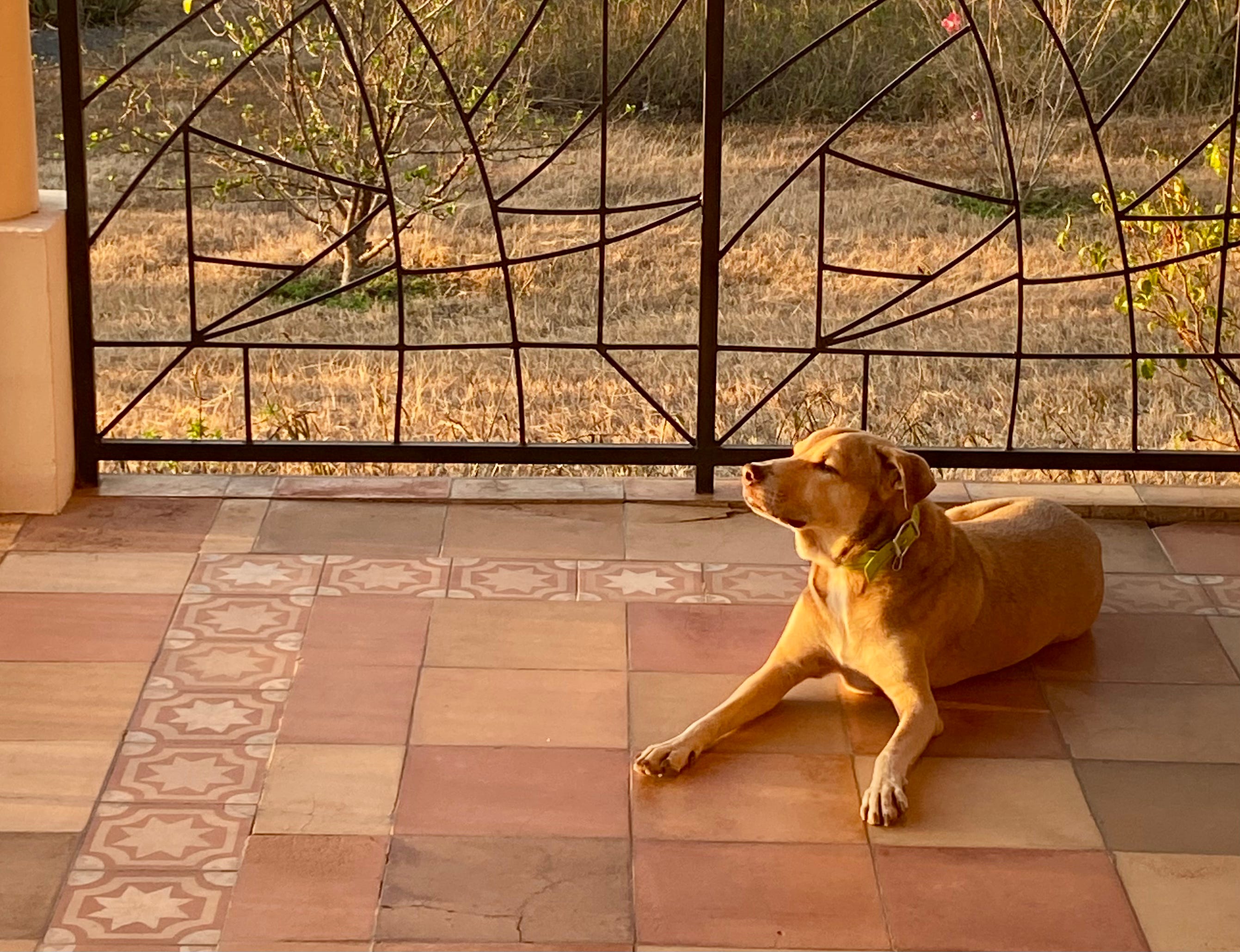
There’s a great big world out there beyond resorts and organized tours. For travelers who want something more meaningful than a week at an all-inclusive, housesitting opens the door to a completely different way of seeing the world.
Instead of rushing between attractions, you settle into the rhythms of a place, buying groceries at the neighbourhood market, walking the same streets each morning, and experiencing daily life the way locals do.
It also happens to be one of the most affordable ways to travel.
Over the past decade, I’ve housesat in Europe, Central America, the Caribbean, and North America — caring for everything from elderly cats to energetic rescue dogs to delicate birds, orchids, and even off-grid home systems while their owners traveled.
In exchange for looking after someone’s home and pets, you receive a comfortable place to stay and the chance to experience a destination in a much deeper way than typical tourism allows.
For midlife travelers who work remotely or have flexible schedules, housesitting is a gateway to a more adventurous and intentional lifestyle.
Unlock a New Way to See the World
Housesitting appeals to a particular kind of traveler. Often it’s someone in their 40s, 50s, or beyond who still loves exploring the world but is looking for experiences that feel more authentic than hotels or short-term rentals.
You might still be working remotely. You might be running a business, freelancing, or consulting. But you’ve realized that life doesn’t have to revolve around one fixed location.
And you’re not alone.
Recommended:

According to workforce data compiled by Zippia, 73.5% of house sitters in the United States are women and the average house sitter is 42 years old. This isn’t a lifestyle limited to retirees; it’s increasingly embraced by professionals who want to travel more intentionally while maintaining their careers.
For many homeowners, housesitting solves a problem as well.
Properties shouldn’t sit empty for long periods due to insurance policies, security concerns, or simply the desire to have someone present to care for pets, gardens, and daily household routines.
The result is a mutually beneficial exchange: You gain a place to stay and the chance to live like a local. They gain peace of mind knowing their home and pets are in capable hands.
What is Housesitting All About?

At its core, housesitting is a simple value exchange. A homeowner travels while a trusted sitter stays in their home to care for the property and often their pets. In return, the sitter receives accommodation.
Unlike paid pet-sitting or property management, these arrangements are typically unpaid.
The compensation is the experience itself — the opportunity to live somewhere new without paying for lodging.
Over the years, I’ve housesat in an incredible variety of environments: caring for Russian Longhair cats in the Baltics, overseeing months-long rural home care in Canada, and walking dogs large and small in Mexico, Honduras, and Nicaragua.


Housesitting also comes with real responsibility.
I’ve helped navigate potentially disastrous situations for homeowners, from detecting broken pipes before they flooded a property to helping an elderly pet recover from a sudden health crisis.
These experiences highlight the trust that exists at the heart of housesitting.
Affiliate Disclosure: Some links in this article may be affiliate links, meaning we may earn a small commission at no extra cost to you. We only recommend tools and services we genuinely trust and use ourselves.
What Housesits Typically Look Like
In practice, that often means stepping into the routines the homeowner already follows: feeding animals, maintaining basic household tasks, and simply being present in the home so it doesn’t sit empty.
A Typical Housesit Might Include
Feeding pets
Walking dogs
Watering plants or gardens
Collecting mail or deliveries
Maintaining normal home routines
Being present in the home overnight
In many cases, these responsibilities only take a small portion of the day. But housesits can vary dramatically.
An off-grid farm property will feel very different from a sleek city apartment. Early in your housesitting journey is not the time to experiment with unfamiliar animals or complex home systems unless you already have experience.
Red Flags to Watch For
Not every housesit is a good fit. Warning signs include:
Vague or unclear responsibilities
Refusal to schedule a video call beforehand
Last-minute changes to expectations
Excessive chores or work requirements
Controlling behavior from homeowners
Situations that make you feel unsafe
Trust and communication are essential in housesitting relationships.
If something feels off, listen to your instincts.
Housesitting Different Types of Pets


Many people assume housesitting mostly involves caring for cats and dogs. While those are certainly the most common arrangements you’ll find on housesitting websites and within the wider housesitting community, the reality is that opportunities can involve a much wider variety of animals and responsibilities.
Some homeowners need help caring for small hobby farms with chickens, goats, or other livestock.
Others simply want someone to maintain their home environment by watering houseplants, tending gardens, or keeping an eye on delicate plants while they’re away.
I’ve seen housesits where the primary responsibility was ensuring orchids survived the dry season, and others where the focus was feeding birds, reptiles, or aquarium fish that require a consistent routine.
More rural properties can involve horses or larger animals, which may require daily feeding, checking fences, or coordinating with nearby caretakers. These types of sits are often found in agricultural regions of North America, parts of Europe, and places like Costa Rica, where homeowners may maintain small farms or eco-properties while travelling.
The variety of animals and homes you’ll encounter is part of what makes housesitting so interesting. At the same time, it’s important to be realistic about your abilities.
Early in your housesitting journey, it’s best to accept house sit offers that involve animals and responsibilities you already understand well. Caring for a cat in a city apartment is very different from managing animals on a rural property or maintaining specialized home systems.
As you gain experience and references, you may decide to expand the types of sits you’re comfortable accepting. Over time, many experienced sitters build skills that allow them to take on more diverse opportunities across different regions and types of homes.
Who Housesitting Is For


Housesitting tends to work best for people who are:
Independent travelers
Comfortable caring for animals
Flexible with schedules
Responsible and organized
Good communicators
Curious about local life and culture
Who Housesitting Might Not Be Right For
Housesitting may not be ideal if you:
Need a completely responsibility-free vacation
Prefer predictable hotel environments
Are uncomfortable caring for animals
Cannot handle small household issues
Prefer minimal communication with homeowners
Being honest about these factors helps ensure successful experiences for everyone involved.
The Promise: Affordable Travel & Authentic Local Living

Accommodation is often the single largest expense in any long-term travel budget.
Hotels and hostels, short-term rentals, and vacation apartment rentals can quickly consume thousands of dollars per month — especially in popular European countries or major cities.
Housesitting offers a completely different model. Instead of paying for accommodation, you stay in a homeowner’s property in exchange for caring for their home and pets while they travel.
The result is a travel experience that is both more affordable and far more immersive than traditional tourism.
Beyond Free Accommodation: Significant Savings on Travel Costs
Accommodation is often the largest expense in travel.
Housesitting eliminates that cost entirely, making longer stays in desirable destinations much more attainable.
Instead of paying hundreds or even thousands of dollars per week for hotels or rentals, you stay in a real home at no cost.
Truly Live Like a Local: Immersion Beyond Tourist Traps
Housesitting shifts your perspective from visitor to temporary resident.
You learn how neighbourhoods function, discover local cafés and markets, and experience daily life beyond tourist hotspots.
This immersion often becomes the most memorable part of travel.
The Joy of a Home Away From Home
Hotels can feel transient. Housesitting offers comfort and routine.
You have a kitchen, living space, and often outdoor areas to relax or work remotely. For longer stays, this sense of normalcy makes travel far more sustainable.
The Rewarding Aspects of Caring
Many sitters find the most meaningful part of housesitting is caring for pets.
Animals provide companionship and structure to your days, and helping homeowners travel without worrying about their beloved pets can be deeply rewarding.
Navigating the Housesitting Landscape: Choosing the Right Approach

There are several ways to find housesitting opportunities.
According to an industry survey:
44% of homeowners find sitters through housesitting websites
19% rely on word of mouth
19% use community groups
Each method has advantages.
Online platforms provide structured systems for reviews and profiles. Community groups and personal networks often lead to more informal opportunities.
Whatever path you choose, clarity is essential.
A fair housesitting exchange typically involves accommodation in return for caring for pets and maintaining the home.
If you’re being asked to perform extensive farm labour, clean large properties daily, or work multiple hours every day …the arrangement may no longer be a fair exchange.
Similarly, if you request that homeowners pay for flights or transportation, the situation could be more likely to be interpreted as paid work in another country.
Always consider the balance of value. For more, check out:
Where to Find Quality Housesitting Opportunities

One of the questions I’m asked most often is, "Where do you find these amazing housesits?" Whether you're a seasoned traveller looking to reduce accommodation costs or someone seeking a change of scenery, housesitting can be a fantastic option.
Preparing for Your First Housesit: From Communication to Travel Logistics
Landing your first housesit can feel exciting, but it also comes with real responsibility. Unlike booking hotels or vacation apartment rentals, housesitting means stepping into someone’s home and daily routines, often caring for pets or property while they’re away.
Taking time to communicate clearly, plan your travel logistics, and understand expectations before you arrive will make the experience far smoother for both you and the homeowner.
Where Housesits Actually Happen
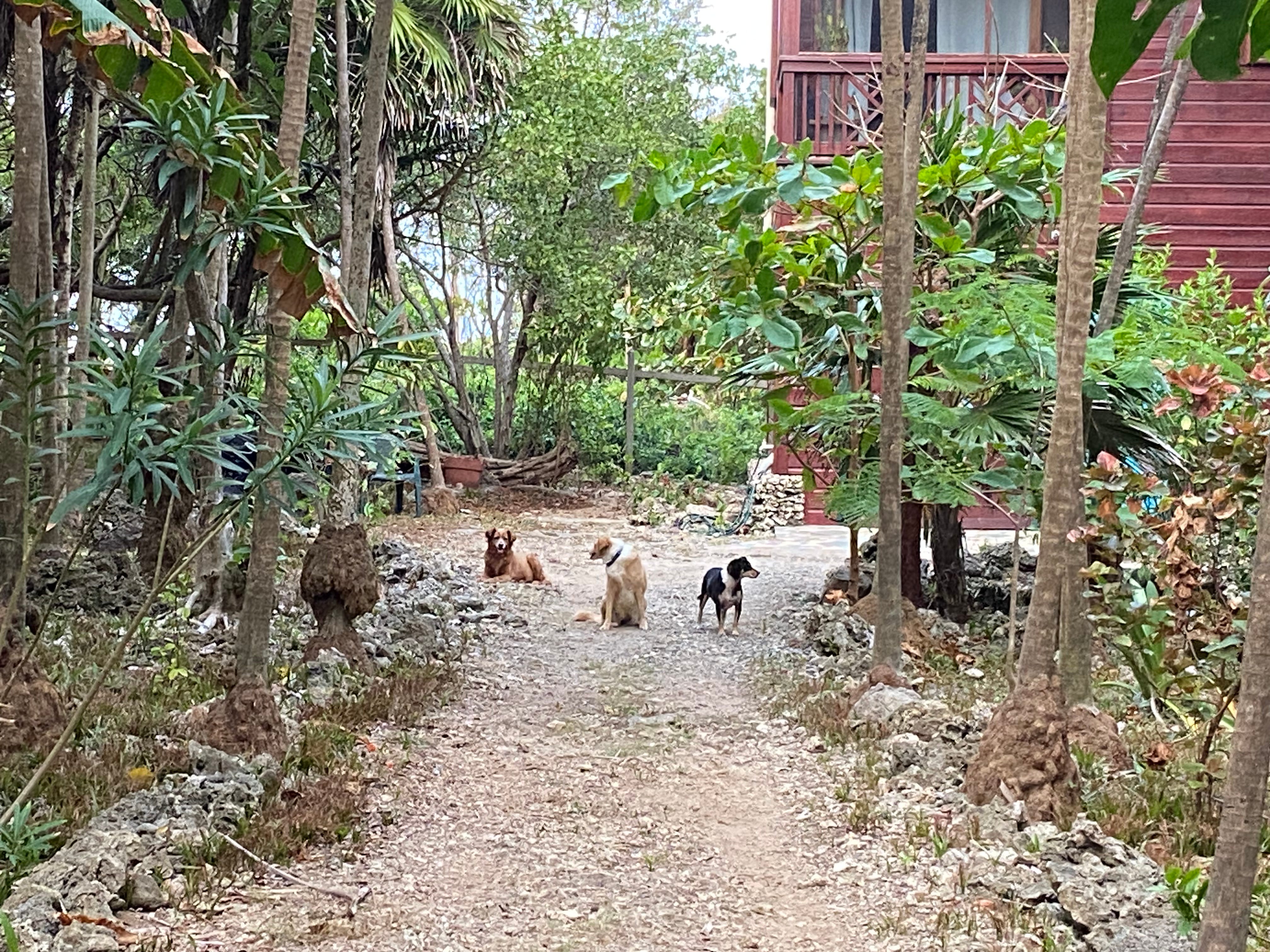
Housesitting opportunities exist worldwide.
Europe is currently the most popular destination, favoured by 86% of sitters, with strong demand in countries such as the UK, France, Spain, and Greece.
The well-known housesitting platform TrustedHousesitters operates in over 133 countries, with active opportunities across North America, Australia, and emerging destinations like Thailand.
Pre-Sit Communication: The Key to a Smooth Experience
Before committing to any housesit, take the time to schedule a video call with the homeowner. Written messages on housesitting websites or social media groups can introduce you, but a real conversation helps both sides understand whether the arrangement will truly be a good fit.
During this call, you’ll want to talk through the daily realities of the sit. Ask about the pets’ routines — what time they eat, how often they need walks, whether they have any medications, and how they behave when their owners are away.


You should also clarify responsibilities related to the home itself, such as watering plants, taking out garbage, managing deliveries, or keeping an eye on specific systems like heating, irrigation, or security alarms.
It’s equally important to discuss logistics and expectations. Make sure you know who to contact in case of an emergency, whether that’s a local friend, veterinarian, or property manager. Ask about house rules, including things like overnight guests, use of the car, or areas of the home that may be off limits.
Many experienced housesitters also recommend putting key expectations in writing. This doesn’t need to be a formal legal contract, but a simple document outlining responsibilities, dates, emergency contacts, and house rules can help ensure both sides are working from the same understanding.
Clear communication before the sit begins builds trust, prevents surprises, and makes it far more likely that the experience will be enjoyable for everyone involved.
Travel Planning: Getting There Affordably

One strategy many experienced housesitters use is lining up multiple sits within the same region. Instead of flying long distances for a single opportunity, you might arrange two or three sits in nearby cities or countries.
This spreads out your transportation costs and allows you to stay longer in one area, which is particularly helpful when you’re managing a long-term travel budget.
A few travel tools can make this planning process much easier:
Rome2Rio is excellent for mapping routes between cities and comparing transportation options like flights, trains, ferries, and buses.
BusBud is useful for finding reliable ground transportation in many parts of the world
Google Flights Explore or Expedia can help you spot affordable airfare across different destinations.
Booking.com helps locate nightly properties of every type and budget level for your travel days or nights open between sits.
DiscoverCars is a highly-rated car rental search platform for locating and booking rental cars worldwide
Just as important as booking your travel is protecting yourself in case something changes.
Always carry travel insurance (SafetyWing is a good option for longer stays with both travel and health coverage) and book refundable flights whenever possible. Housesitting arrangements rely on trust and goodwill, but they are rarely formal contracts. If a homeowner cancels a sit unexpectedly, changes their travel plans, or experiences an emergency that alters the arrangement, you are very unlikely to recover your travel costs.
Life happens — to homeowners and sitters alike — so building flexibility into your travel plans is essential. A little extra caution when booking transportation can prevent a stressful and expensive situation later on.
Understanding Visa and Border Considerations

When housesitting internationally, it’s important to understand that the practice can fall into a gray area from an immigration perspective.
In most cases, housesitting is simply a private arrangement between homeowners and travellers. No money changes hands, and the exchange is typically accommodation in return for caring for a home or pets. However, immigration officials in some countries may still interpret housesitting as a form of work, particularly if they believe it could replace a local paid service.
For that reason, it’s wise to approach border crossings thoughtfully and make sure you understand the rules of the country you’re entering. Take time to research entry requirements in advance so there are no surprises when you arrive.
A few tips:
Never describe yourself as being paid
Research entry requirements for each country
Carry proof of onward travel when possible
Policies and enforcement can vary widely between countries. Some destinations are very familiar with housesitting and digital nomads, while others may be less accustomed to travellers staying in private homes through housesitting websites or social media connections.
Settling In: The First 24–48 Hours at a New Housesit
The first day of a housesit is about orientation, observation, and establishing a routine. Even if you’ve had excellent communication beforehand, there are always small details that only make sense once you arrive and begin living in the space.
If possible, try to arrive while the homeowners are still present so they can walk you through the home and introduce you to the pets’ daily routines.

Don’t plan to arrive the same day you have 5 meetings and an important report due that you haven’t started yet. Give yourself some runway to get settled.
This is your chance to see exactly how things work rather than relying solely on written instructions. Pay attention to feeding schedules, walking routes, and any quirks in the animals’ behavior. Pets often act differently when their owners leave, and understanding their normal routines will help you keep them comfortable.
Take time to familiarize yourself with the practical systems in the house as well. Ask where to find shutoff valves, circuit breakers, cleaning supplies, and anything you might need if a minor issue arises.
Clarify emergency procedures and confirm who to contact locally if something unexpected happens, whether that’s a veterinarian, a neighbor, or a trusted friend of the homeowners. How will any payments be made — has the homeowner left a credit card on file with the vet, or is there an emergency fund hidden in the home?
You don’t even want to be in a position of having to pay a large bill and trust in being compensated.
It’s also helpful to ask about the surrounding area. Knowing where the nearest grocery store, pharmacy, or veterinary clinic is located can save you valuable time if you need something quickly.
Finally, make sure you have reliable internet access as soon as you arrive. Many travellers use an eSIM service such as Airalo or Yesim so they have mobile data immediately after landing. This provides a backup connection in case the home’s Wi-Fi goes down, or you need to navigate the area before getting fully settled.
Taking the time to understand the home, the pets, and the neighbourhood during those first 24–48 hours sets the tone for the entire house sit. A little patience and attention early on can prevent misunderstandings and make the experience smoother for both you and the homeowner.
Common Challenges and Best Practices for Housesitters

Most housesitting challenges arise from poor planning or miscommunication and remember, careful vetting is essential.
In one situation, I witnessed troubling behaviour of an abusive nature from one homeowner toward the other and chose to cancel the sit months in advance. The homeowners were furious, and I second-guessed myself.
Within a year, that man killed his partner (he’s still in prison).
That experience reinforced an important lesson for me: Never ignore your instincts or warning signs. Since then, I’ve also begun asking for personal references when appropriate.
Even well-planned house sits can present surprises. I’ve dealt with sick pets, broken water systems on remote islands, and homes where various workers appeared unexpectedly during the sit.
Flexibility and the ability to stay cool in changing situations is part of the lifestyle.
To help set realistic expectations, here are a few common questions new housesitters often have.
What happens if a pet gets sick while I’m housesitting?
Most homeowners will provide the contact details for their veterinarian and instructions for what to do in an emergency. Your role is typically to seek care for the animal and notify the homeowner as soon as possible. Clarifying how veterinary costs will be handled before the sit begins is always a good idea.
What if something breaks in the house?
Minor household issues happen everywhere — pipes leak, appliances stop working, power outages occur. Ask homeowners where key systems are located (water shutoffs, electrical panels, etc.) so you can respond quickly if needed. For larger issues, contact the homeowner immediately and follow their instructions. If they’re going to be difficult to reach, they should leave a list of preferred contractors or designate an alternate decision-maker they trust, who can assess any situation and approve a cost.
What if my schedule changes or the sit no longer works for me?
Life happens on both sides. That’s why communication is critical. If something changes before a sit begins, notify the homeowner as soon as possible so they have time to make alternate arrangements. Last-minute cancellations should be avoided whenever possible, but honesty and early communication help prevent bigger problems.
What if the sit turns out to be different from what was described?
This is why thorough vetting and clear written expectations matter. If a situation arises that feels very different from what you agreed to — such as unexpected responsibilities or unsafe conditions — contact the homeowner and discuss it directly. In rare cases, it may be appropriate to leave the sit early, but those decisions should always be handled carefully and respectfully.
Housesitting works best when both parties approach it with flexibility, clear communication, and mutual respect. When those elements are in place, challenges are usually manageable and often become part of the story you’ll tell about your travels later.
Ethical Considerations: Respecting Privacy and Trust

When you accept a housesit, you’re stepping into someone’s private space. Unlike staying in hotels and hostels or even vacation apartment rentals, you’re living inside someone’s real home — often surrounded by their personal belongings, routines, and sometimes sensitive information.
That level of access requires a strong sense of responsibility.
Before posting photos or videos online, always confirm whether the homeowners are comfortable with their home, pets, or neighbourhood appearing on social media. Some people enjoy seeing updates from their pets while they travel, while others prefer to keep everything completely private. Clarifying this beforehand avoids misunderstandings.
Location privacy is especially important. Avoid sharing real-time posts that reveal the address or even the neighbourhood where you’re staying. A public post that unintentionally includes a street sign or house number while signaling a homeowner’s absence could create a security risk. Many experienced house carers simply wait until after a sit is finished before sharing travel photos online.
It’s also good practice to treat the home with the same level of care you would expect from someone staying in your own space. Keep things clean, respect private areas of the home, and avoid inviting guests unless you’ve discussed it with the homeowner in advance.
The housesitting community is built on trust, and maintaining that trust protects both the homeowner and your reputation as a reliable sitter.
Maintaining Professionalism and Respect

Although housesitting is typically an unpaid arrangement, it still carries many of the same expectations as a professional responsibility. Homeowners are trusting you with their property and often their beloved pets, so clear communication and reliability go a long way.
One of the simplest ways to maintain that trust is by understanding how homeowners prefer to stay in touch while they’re away. Some people enjoy receiving daily updates and photos of their pets, especially if they’re travelling for several weeks. Others prefer fewer messages and only want to hear from you if something unusual happens.
There isn’t a universal rule, which is why it’s important to ask about communication preferences during your pre-sit conversations.
Recommended:

Professionalism also means respecting the home and neighbourhood during your stay. Follow the house rules you agreed to, keep the property tidy, and be considerate of neighbours and local customs. Small actions — like leaving the home cleaner than you found it or replacing pantry items you used — demonstrate appreciation for the opportunity.
These habits not only make the current housesit successful but also strengthen your reputation within the housesitting community. Homeowners who feel confident in your professionalism are far more likely to leave excellent reviews, recommend you to friends, or invite you back for future house sit offers.
Building Your Housesitting Portfolio and Future Adventures


As you gain experience, your reputation as a housesitter becomes one of your most valuable assets. Homeowners are leaving their property, pets, and sometimes entire livelihoods in your care, so they want reassurance that the person staying in their home is responsible and reliable.
That’s why many experienced house carers maintain a simple portfolio highlighting their previous housesits, references, and relevant experience. This can be as straightforward as a page on your personal website or a private document you share when applying for house sit offers. Including photos of pets you’ve cared for, short descriptions of previous sits, and testimonials from homeowners can help potential hosts quickly understand your experience and approach.
Some sitters choose to keep this information mostly private, sharing it only with homeowners they’re actively communicating with. Others maintain a public portfolio to establish credibility within the wider housesitting community. Either approach can work well, as long as you present yourself clearly and professionally.
Over time, this portfolio becomes a record of trust. Each successful housesit adds another reference that makes it easier to secure future opportunities.
The Importance of Excellent Reviews
Positive reviews are one of the most powerful tools you have as a housesitter. Many housesitting websites rely heavily on review systems, allowing homeowners to see how previous sits went before inviting someone into their home.
Even if you find house sit offers through social media or word-of-mouth networks like House Sitters America or other groups, references still matter. A strong testimonial from a previous homeowner can instantly reassure someone who is considering leaving their home and pets in your care.
Think of reviews as the currency of the housesitting world. A few thoughtful comments from satisfied homeowners can open doors to far more opportunities than a long list of applications with no references behind them.
Becoming a “Go-To” Sitter

One of the most rewarding parts of housesitting is how often it leads to repeat opportunities.
Once homeowners find a sitter they trust, many prefer to invite that person back rather than search through housesitting websites again. Over time, some sitters develop ongoing relationships with homeowners who return year after year. I’ve even had the chance to experience a new country, when the homeowner moved to a different region and invited me to the new house to sit.
Getting involved in the local community can also lead to new opportunities. When you’re staying in a neighbourhood for several weeks, take time to meet neighbours, chat with local shop owners, or simply become a familiar face during daily walks with the pets. These small interactions help people feel comfortable recommending you when someone nearby needs a sitter.
In several places I’ve housesat, one successful sit led directly to another. Friends of the homeowners heard that a reliable sitter was in town and asked whether I might be available for their upcoming travel plans. In some cases, homeowners now reach out to check my availability before they even finalize their own trips.
That’s the real magic of housesitting. What begins as a single opportunity can gradually grow into a network of trusted relationships that opens doors to new destinations and adventures around the world.
Housesitting: Your Passport to Affordable Travel and Authentic Living

Housesitting offers something rare in modern travel. It allows you to explore the world affordably while forming genuine connections with places and people.
For travellers who value freedom, flexibility, and deeper cultural experiences, it can be a gateway to an entirely different way of living.
Start Your Housesitting Journey Today
If housesitting sounds intriguing but you’re not sure how to get started, I created a short mobile-friendly Housesitting Mini-Course to help.
In under an hour, you’ll learn how to:
Find trustworthy housesitting opportunities
Build a profile that attracts homeowners
Apply with confidence for your first sit
The course also includes a downloadable Quick Reference Checklist to guide you through the process step-by-step.
The best part? It’s Pay What You Can, as I want this to be accessible to anyone curious about this lifestyle.
👉 Take the Housesitting Mini-Course in under an hour and start planning your first sit today.