

Cost of Living in Medellín, Colombia for Digital Nomads (2026)
What does it really cost to live in Medellín in 2026? A data-backed breakdown of housing, food, healthcare, and lifestyle — plus what life here actually feels like.

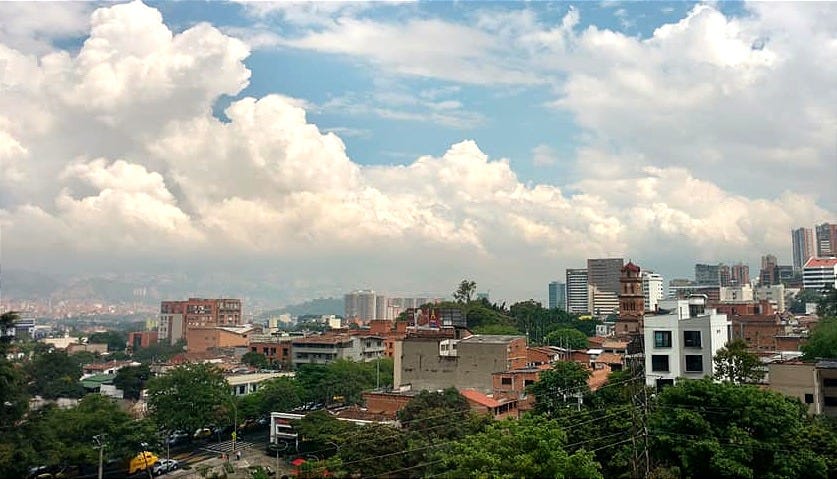
Medellín sits in a rare sweet spot for remote workers: a city large enough to feel dynamic, but still affordable enough to live well without constant trade-offs.
You can rent a furnished apartment with a view, eat out regularly, and rely on solid infrastructure — all without the price pressure you’d feel in places like Mexico City or Panama City.
That balance is what keeps drawing people in. Neighborhoods like El Poblado and Laureles offer walkability, coworking, and dependable fiber internet, while the metro system makes it easy to live slightly outside the center and cut costs without sacrificing convenience.
Add in the year-round mild climate and strong café culture, and it’s a place where routines form quickly.
For a single remote professional, monthly costs typically range from about $1,200 on a lean setup to $3,000 for a comfortable lifestyle, with high-end expat living reaching $5,000.
The key advantage here isn’t just affordability—it’s how much quality of life you can access at each level.
Cost of Living in Medellín at a Glance
Here’s what it actually costs to live and work remotely in Medellín, based on current on-the-ground data.
Keep going and we’ll explore each category.
Medellín Housing Costs
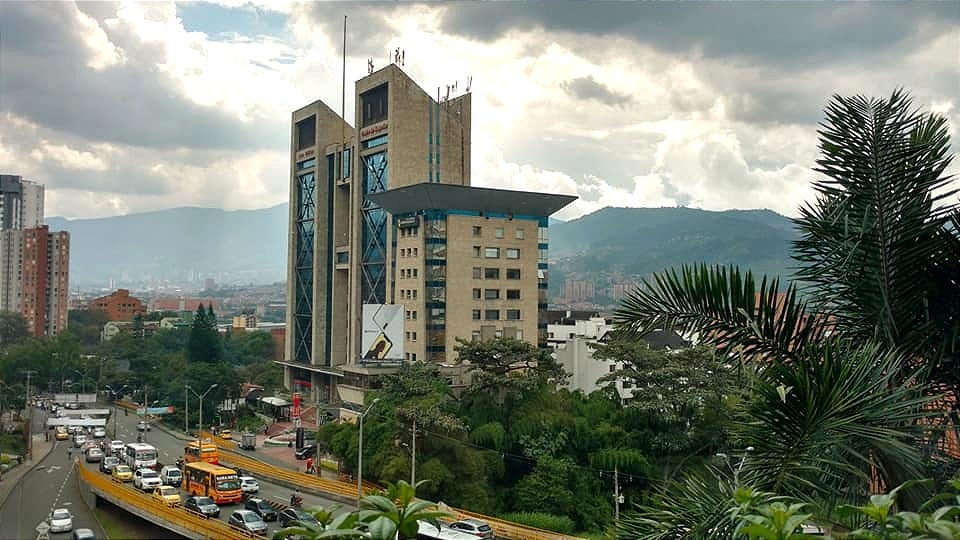
Rent is where Medellín still delivers real value, but the gap between “local pricing” and “nomad pricing” is significant. Short-term furnished rentals — especially in popular expat areas — carry a 10–30% premium over long-term leases, and that’s where most remote workers land.
For a typical one-bedroom, expect about $500–1,200/month in central neighborhoods like El Poblado or Laureles, depending on building amenities, view, and how modern the unit is.
Move 15–30 minutes out (Envigado, Sabaneta, parts of Belén), and similar places drop to $300–700/month—often larger, quieter, and better value overall.

Furnished vs. unfurnished is a major price divider. Long-term unfurnished leases can be dramatically cheaper, but they usually require a local guarantor (fiador), contracts in Spanish, and upfront setup costs.
Most nomads stick with furnished apartments or Airbnb-style rentals for flexibility, even if it means paying more.
Short-term stays (under 3 months) are the most expensive tier. If you’re staying longer, negotiating directly or booking 3–6 months out can bring prices down noticeably.
Neighbourhood Guide


El Poblado
The default landing zone. Walkable, polished, and packed with coworking spaces, cafés, and nightlife. Most expensive, but easiest transition for first-time visitors.
Laureles / Estadio
Flatter, greener, and more residential. Popular with longer-term nomads who want a local feel without giving up restaurants, cafés, and reliable infrastructure.
Envigado / Sabaneta
Quieter, safer, and more affordable. Feels more “Colombian” than expat-heavy. Great for longer stays if you don’t mind a metro commute.
Belén
Underrated middle ground. Local vibe, lower rents, and still connected to the metro system. Less polished, but offers strong value for longer stays.
Food & Groceries in Medellín

Eating out in Medellín is cheap enough that many remote workers do it daily without thinking twice. A typical comida corriente—soup, main, rice, beans, juice—runs $3–6 in most neighborhoods and is widely available at lunch.
Casual dinners (burgers, tacos, pasta) land in the $8–15 range, while a proper sit-down dinner for two in El Poblado or Laureles will cost $20–40 before drinks. Imported wine, cocktails, and steakhouse meals push that higher quickly.
Groceries are where you’ll notice the split between local and imported. Shopping at markets or basic stores keeps costs low: eggs, rice, beans, chicken, fruit, and vegetables are all inexpensive.

A single person can spend $160–300/month depending on how often they buy imported items. Stores like Éxito carry everything, but cheese, wine, and packaged goods can be 2–3x North American prices.
The trade-off is simple: cooking saves money, but not always enough to justify the effort. When a full lunch costs $4 and delivery is cheap, many nomads default to eating out or mixing both.
A common rhythm is groceries for breakfast and light dinners, with lunch as the main meal out. It’s easy, affordable, and very Medellín.
Transportation: Getting Around Medellín
Getting around Medellín is one of the easiest and most satisfying parts of living here.
The Metro
The Metro and Metrocable system isn’t just functional; it’s a point of civic pride. Locals treat it with care (no graffiti, minimal litter), and it shows. Trains run clean, efficient, and on time, connecting the valley floor to hillside neighbourhoods that were once isolated.
A single ride costs about $0.70, and the integrated system (metro, cable cars, buses) makes it possible to cross the city quickly without needing a car.
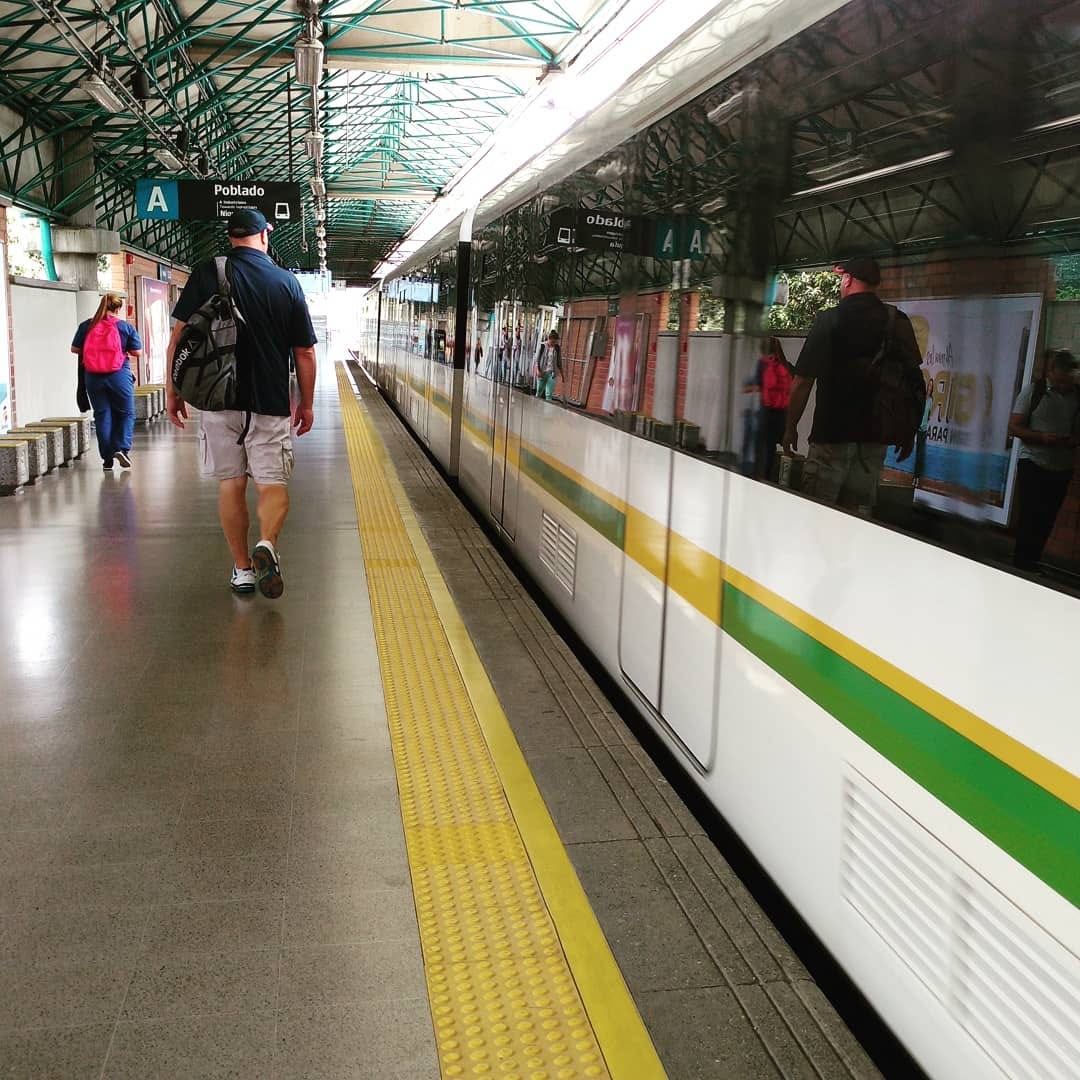
What makes it truly unique is how it reshaped the city. In the early 2000s, many hillside comunas were physically and economically cut off, with commutes that could take hours.
The introduction of the Metrocable—an urban cable car integrated into the transit system—changed that.
Today, multiple cable lines connect these neighbourhoods directly to the metro, cutting travel times dramatically and linking residents to jobs, education, and opportunity. It’s widely seen as a cornerstone of Medellín’s transformation.
For day-to-day costs, most remote workers spend $25–40/month using transit regularly.
Taxis and Rideshares

When needed, taxis and apps like Uber, DiDi, and InDriver run $3–8 across the city, while airport transfers (45 minutes from Rionegro) land around $25–40.
Most remote workers rely on a mix of walking, metro, and occasional rides. Laureles is one of the most walkable areas—flat, leafy, and easy to navigate on foot day or night. El Poblado is hillier and more spread out, so you’ll likely use Uber or taxis more often for short hops.
Walkability
During the day, both areas feel comfortable to walk around. At night, the rule is simple: stick to well-lit, active streets and avoid quiet or unfamiliar areas—especially if you’re alone.
Owning a car rarely makes sense here. Between traffic, parking constraints, and how well the system works, most people rely on a mix of metro, walking, and occasional rides.
It’s one of the few cities where public transport isn’t just the cheapest option… it’s genuinely the best one.
Healthcare Costs
Healthcare is one of Medellín’s strongest advantages for remote workers. The private system is modern, efficient, and widely trusted, with hospitals like Clínica Las Américas and Pablo Tobón Uribe offering care that rivals North American standards—often with little to no wait times.
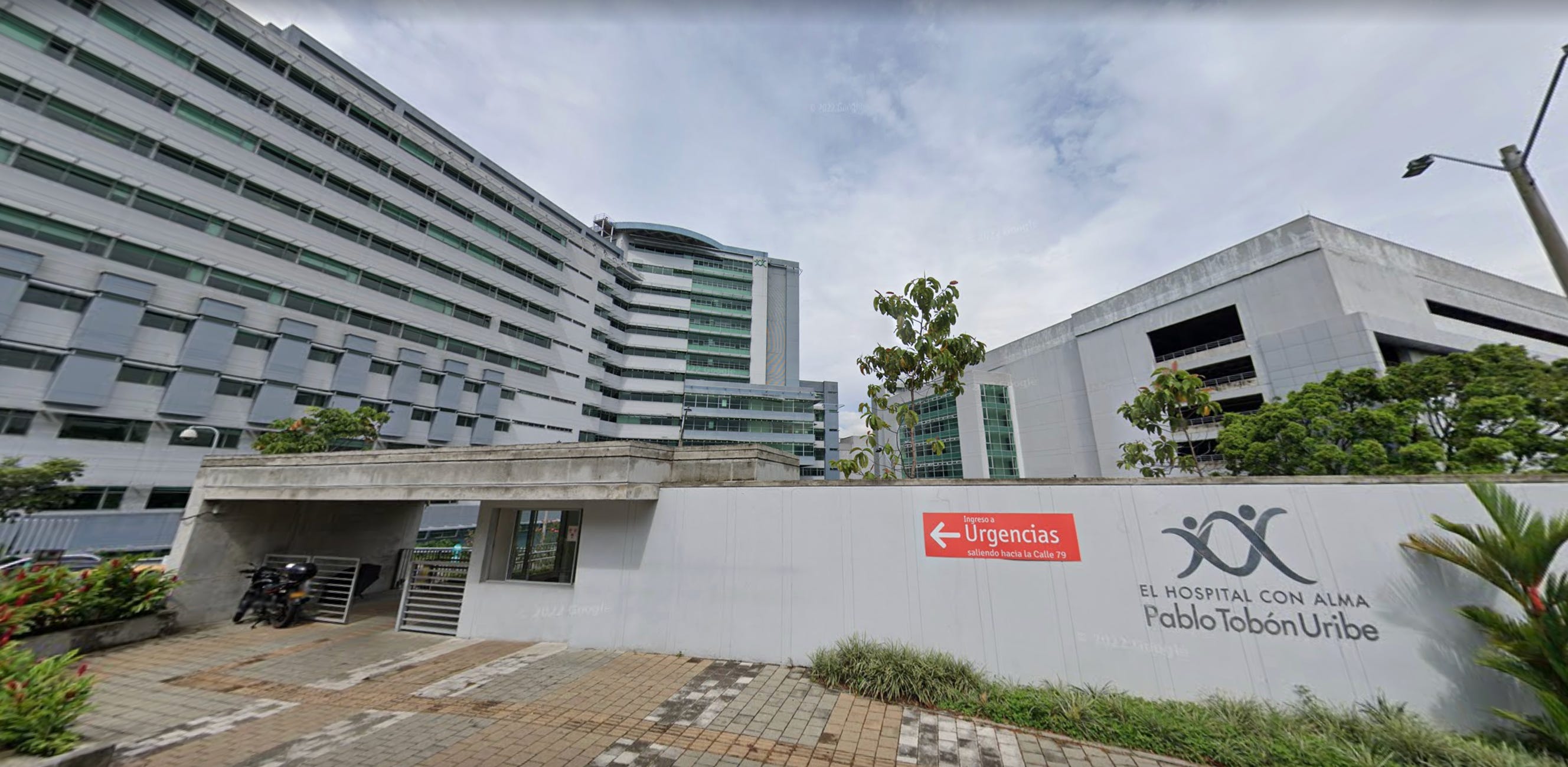
English-speaking staff are common in major facilities, and the city has become a hub for medical tourism because of the quality-to-cost ratio.
Out-of-pocket costs are low by international standards. A general doctor visit typically runs $25–55, while specialist appointments land around $50–105.
Basic lab work or imaging is usually $20–60, and emergency visits start around $100–300 depending on complexity.
Dental cleanings range from $15–50, and more involved procedures (like implants or cosmetic work) are often 70–90% cheaper than in the U.S.
For longer stays, many nomads opt for private insurance through providers like Sura or Colsanitas, with annual plans ranging from $500 to $3,000 depending on age and coverage. Public insurance (EPS) is cheaper but less commonly used by short-term expats.
The result: high-quality care that’s accessible, fast, and affordable enough that even paying out of pocket is realistic.
Medellín’s Remote Work Infrastructure

Internet in Medellín is fast and reliable where most nomads actually live.
Internet Speeds
In El Poblado and Laureles, fiber connections from providers like Claro, Tigo, and Movistar regularly deliver 100–500 Mbps for $25–50/month, with reported averages around 147 Mbps down and 83 up.
Uptime is excellent in central areas, though outages can happen in hillside neighborhoods during heavy rain.
Most remote workers run Zoom, calls, and large uploads without issue—but it’s smart to keep a mobile data backup (local SIM or eSIM is cheap and reliable).
Coworking in Medellín
The coworking scene is well-developed and easy to plug into. There are 50+ spaces across Poblado, Laureles, and Milla de Oro, with hot desks typically running $85–180/month.
Spaces like COWORK, Inspira, and Factoría offer 24/7 access, solid internet, and a built-in community—useful if you want structure or social connection. Many also offer short-term passes, so you’re not locked in.
Cafe Culture

Cafés are a legitimate part of the work setup here. Spots like Pergamino, Rituales, and Campesino are laptop-friendly, with 50–100 Mbps WiFi, outlets, and a steady flow of remote workers.
Expect to pay $1.50–2.50 for coffee and stay a few hours — as long as you order periodically and don’t camp a table all day during peak times. For deep work, coworking is better; for a few focused hours, cafés work well.
Time Zone Alignment for Remote Workers
Time zone is another advantage. Medellín runs on COT (UTC-5) with no daylight savings, which aligns cleanly with North American schedules—same as Central Time, one hour ahead of Eastern during part of the year, and workable overlap with Europe mornings.
For many, it’s one of the easiest places to stay in sync with clients while still living abroad.
Estimated Monthly Budgets for Life in Medellín

Budget
At this level, you’re living comfortably but intentionally. Expect a one-bedroom apartment outside the center (Envigado, Belén, Sabaneta), cooking most meals with occasional $4–6 lunches, and relying on metro transit with minimal rides.
You’ll still enjoy cafés and a few small luxuries—it doesn’t feel restrictive, just efficient.
Comfortable
This is the sweet spot for most remote professionals. You can afford a well-located furnished apartment in El Poblado or Laureles, mix groceries with regular dining out, and add coworking plus a few weekly rides.
Life feels easy here… good food, solid work setup, and room to enjoy the city without watching every dollar.
High-Comfort
At this level, you’re optimizing for convenience and lifestyle. Think premium apartments with views, frequent dining at mid- to high-end restaurants, daily ride-hailing, and dedicated coworking or private offices. You’re not budgeting, you’re choosing comfort, flexibility, and a higher-end version of expat life.
Is Medellín Affordable for Digital Nomads?

Medellín works best for remote workers earning in USD, EUR, or other stronger currencies who want a high quality of life without major trade-offs.
If you’re freelancing, consulting, or working remotely for a foreign company, the cost-to-lifestyle ratio is hard to beat, especially once you dial in housing and your daily routine.
The trade-off is that affordability depends on how you live. Stick to expat-heavy areas, short-term rentals, and imported goods, and your costs climb quickly. Lean into local systems — housing, food, transit — and Medellín becomes significantly more affordable without sacrificing comfort.
Downsides to Consider
No place is perfect, and Medellín has its trade-offs.
Air quality can be an issue, especially during certain times of year when pollution gets trapped in the valley. It’s not constant, but it’s noticeable.

Bureaucracy can be slow and frustrating. Anything involving contracts, visas, or local paperwork tends to take longer than expected.
Safety is generally good in central areas, but it’s still a major city. Petty theft happens, especially if you’re careless (“no dar papaya” is real advice here).
Weather is consistent but not always sunny. Expect regular rain, especially in April–May and October–November, often in short but heavy bursts.
Tourism pressure has pushed prices up in popular neighborhoods like El Poblado, especially for short-term rentals, which can distort your sense of “local” cost of living.
The Bottom Line
Medellín isn’t the absolute cheapest place to live in Latin America anymore—but it’s one of the best-balanced, and a quality-of-life upgrade for many people in midlife.
What stands out here isn’t just that things are more affordable. It’s how easy it is to build a life that feels balanced. You can work in the morning, step out for a proper lunch, walk to a café, strike up a conversation, and still have time (and energy) left at the end of the day.
There’s a warmth to the culture that’s hard to quantify but easy to feel. People take time for each other. Life happens outside. And there’s less pressure to constantly rush, optimize, and grind.
It won’t be perfect. No place is. But if you’re looking for a place where your days feel a little lighter, your money goes further, and your life feels a bit more expansive… Medellín delivers.
Disclaimer
Cost of living estimates in this guide are based on the best available data at the time of publication, including local listings, price databases, and market averages. Actual costs can vary depending on neighbourhood, lifestyle, exchange rates, and market conditions. Always confirm current prices through local sources before making relocation or budgeting decisions.
This guide is part of the Midlife Nomads Cost of Living Index.
Sources
Cost estimates in this guide are based on publicly available market data and local listings, including:
Numbeo cost-of-living database
Expatistan price comparisons
Local real estate listings and rental platforms
Supermarket price checks and restaurant menus
Coworking space pricing and local service providers
All prices are converted to USD for consistency.
You might also like:


Love this series!