



Chiang Mai has been one of the world’s most established digital nomad hubs for more than a decade. Reliable internet, an active remote-work community, and a relatively low cost of living continue to make it one of the easiest places to base yourself while working online.
But affordability in Chiang Mai is often exaggerated, or based on outdated numbers. This guide looks at what it actually costs to live here in 2026, using current rental listings, price databases like Numbeo and Expatistan, and typical costs reported by long-term residents.
In practical terms, a single remote worker can live comfortably in Chiang Mai for about $1,800 to $2,500 USD per month, including a private apartment, coworking access, regular meals out, and everyday transportation.
Budget setups can come in lower, while a more comfortable expat lifestyle — with a better apartment, frequent dining out, and weekend travel — can reach around $3,000 per month.
The sections below break down those numbers in more detail, from rent and groceries to coworking, transportation, and healthcare.
Keep reading for:
Cost of Living in Chiang Mai at a Glance
Chiang Mai Housing Costs
Food & Groceries in Chiang Mai
Transportation in Chiang Mai
Healthcare Costs
Chiang Mai’s Remote Work Infrastructure
Estimated Monthly Budgets
Downsides to Consider
The Bottom Line
Cost of Living in Chiang Mai at a Glance
Chiang Mai Housing Costs

Housing is one of the reasons Chiang Mai continues to attract long-term remote workers. Compared with most Western cities—and even many other nomad hubs in Southeast Asia—rent remains remarkably accessible.
The market is also well adapted to international tenants, with many apartments already furnished and ready for move-in. Air conditioning, basic kitchen setups, Wi-Fi routers, and building amenities like small gyms or pools are common in mid-range condos.
Most rentals operate on monthly or longer leases, typically three to twelve months. Short-term stays through Airbnb or serviced apartments are available but usually cost noticeably more.
If you’re planning to stay a while, working directly with a building manager or local agent often results in better rates. Unfurnished units exist, but they’re less common in buildings that cater to foreign renters.

For many remote workers, the typical setup is a furnished one-bedroom condo. In central neighborhoods such as Nimmanhaemin or the Old City, rents generally fall between $350 and $550 per month, often including access to shared amenities like pools or small fitness rooms. These units usually range from about 30–50 square meters, which is comfortable for a single tenant or a couple.
Outside the most popular areas, rents drop noticeably. Neighborhoods like Santitham, Hang Dong, or Mae Hia often offer similar apartments in the $200–350 range, sometimes with quieter surroundings and more space.
Utilities—including electricity, water, and building fees—typically add $50–90 per month, depending on air-conditioning use. Fiber internet is widely available and inexpensive, usually $20–35 per month for fast connections through providers like AIS or True.
Within the city, a few neighborhoods tend to attract the majority of international residents. Nimmanhaemin is the most developed nomad area, with cafés, coworking spaces, and a lively restaurant scene.

The Old City offers a more traditional atmosphere with temples, markets, and walkable streets. Santitham, just north of the center, has become popular with longer-term expats thanks to lower rents and easy access to the city by scooter or Grab.
If you’re considering a longer stay, it’s worth viewing apartments in person rather than committing based on photos alone. Listings often look more polished online than they do in reality. Deposits are typically two months’ rent, and prices can sometimes be negotiated for six-month or year-long agreements.
Local listing sites like RentHub or FazWaz are useful starting points, though many of the best options are still found by simply walking into buildings and asking about available units.

Food & Groceries in Chiang Mai
Chiang Mai’s restaurant scene spans legendary street food stalls to trendy Nimman cafes, with local eateries offering pad Thai, khao soi, or som tam for $2–4 at night markets like North Gate or roadside shophouses.

Mid-range sit-down spots—think air-conditioned Thai fusion or Western comfort food—charge $15–30 for a dinner for two, including rice, protein, and iced tea. Fine dining exists but rarely tempts nomads when markets deliver Michelin-level flavors at fraction-of-the-cost prices.
Grocery budgets stretch far at fresh markets (Warorot, Jing Jai) or chains like Tops/ Rimping Supermarket, where a single person’s monthly staples—rice, veggies, eggs, chicken, tropical fruits, and snacks—run $150–300.
Western imports (cheese, cereal, wine) at Premium Tesco add 50–100% premiums, but local proteins and produce stay dirt-cheap year-round.
Eating out dominates for nomads—$6–10/day on street food beats cooking hassles without sacrificing variety or nutrition—while home cooks save 30–50% but miss Chiang Mai’s social food culture.
Hybrid works best: markets for breakfast/lunch bulk, evening bazaars for adventures.
Transportation in Chiang Mai
Chiang Mai’s transportation revolves around affordable, flexible options like Grab ride-hailing (the go-to app), red songthaews (shared pickup trucks at ~$0.80–1/ride), tuk-tuks, and scooter rentals, with public buses (RTC Smart City routes) serving as a cheap backup for fixed paths like airport-Old City.

Walking works in compact Old City or Nimman, but the city’s sprawling layout and broken sidewalks make scooters ($100–150/month rental) or Grab the nomad default—Grab cars/motorbikes cost $2–5 average ride, beating traditional taxis that haggle fares.
Monthly transport rarely exceeds $50–150 for remote workers: unlimited Grab rides hit $80–120, scooter fuel + rental ~$40–70 (฿30–40/liter), or RTC bus pass ~$20–30 for occasional use. No robust metro exists, but airport shuttles (฿40) and intercity trains/buses keep escapes to Pai or Chiang Rai cheap ($5–15).
Walkability shines in Old City/Nimman (cafes 5–10 min apart) but fades outskirts—nomads rarely buy cars (insurance/parking hell, $300+/month total). Scooter + Grab hybrid rules for freedom without car ownership headaches.
Healthcare Costs
Chiang Mai offers high-quality private healthcare that’s popular with expats, anchored by hospitals like Chiang Mai Ram and Bangkok Hospital Chiang Mai, where many doctors speak English and have international training.
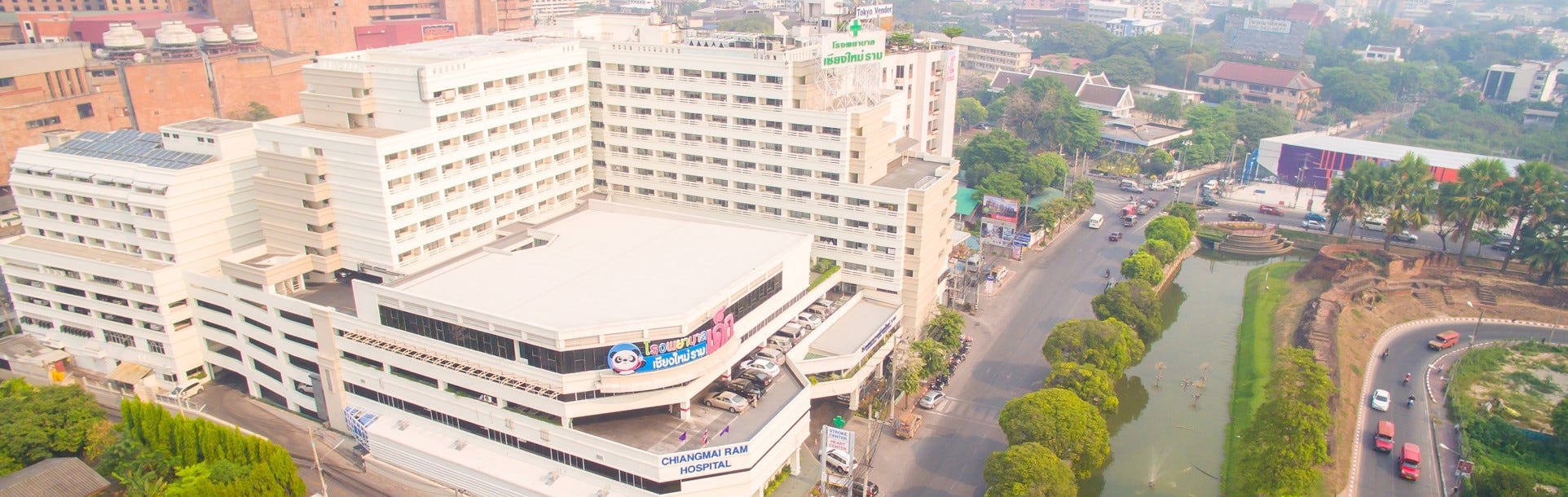
Public hospitals are cheaper but less foreigner-friendly, so most remote workers and midlife nomads rely on private clinics and hospitals for everyday care, checkups, and specialist visits.
Typical out-of-pocket prices are very reasonable by Western standards: a standard private doctor or specialist consultation usually runs about 25–50 USD, while a routine dental cleaning typically costs around 40–80 USD.
Annual international or regional private health insurance for a healthy midlife remote worker generally falls in the 800–1,500 USD range depending on age, coverage level, and pre-existing conditions; many people carry insurance for emergencies and larger procedures while paying for basic visits and dental work in cash.
Chiang Mai’s Remote Work Infrastructure
Chiang Mai boasts reliable, high-speed internet across expat areas, with fiber optic connections from providers like True and AIS delivering 300–1,000 Mbps download speeds for $20–35/month—fast enough for video calls, large file transfers, and 4K streaming without hiccups.
Outages are rare in condos and cafes (under 1–2 hours/month), though rural outskirts or burn season power flickers occasionally disrupt.

Most nomads use UPS backups and mobile hotspots (AIS/True 5G) as fail-safes.
The coworking ecosystem thrives with spots like:
Punspace (multiple Nimman/Old City locations, $150–250/month unlimited),
CAMP (creative vibe, $10/day drops),
and Yellow Coworking (24/7 access, $190/month)—ergonomic desks, coffee, AC, and networking events included.
Cafes like Akha Ama or Ristr8to8 double as workspaces with solid WiFi (50–200 Mbps), $1.50–2.50 coffee, and power outlets galore.
As far as your timezone in Chiang Mai, UTC+7 aligns perfectly with US mornings (evening Thailand) and EU afternoons (morning Thailand).
Estimated Monthly Budgets
Chiang Mai's cost structure lets remote workers choose their pace, from barebones savings mode to full expat comfort, while staying well below Western city equivalents.
These realistic 2026 estimates for a single professional factor housing, food, transport, coworking/internet, and basic healthcare based on Numbeo, local listings, and expat data.
Is Chiang Mai Affordable for Digital Nomads?
Chiang Mai remains exceptionally affordable for digital nomads in 2026, delivering Western living standards at 20–40% of Toronto/Lisbon costs.
A comfortable solo remote worker thrives on $1,100–1,700/month with city-centre furnished 1BR, coworking, mixed dining, and Grab rides, leaving ample savings from $3k+ remote salaries.

Best for: Midlife professionals earning USD remote salaries (tech, consulting, coaching), especially those valuing healthcare access, reliable fiber internet (300–1,000 Mbps), and established expat networks. Families may find it tougher, as schools add $10k+/year.
Trade-offs: Seasonal air pollution (Feb–Apr burn season), scooter-dependent mobility with limited walkability, and banking friction (Wise/Revolut workarounds needed). DTV visa requires $14.5k savings proof, and no Thai clients are allowed. Still, the cost-to-quality ratio beats Southeast Asia peers for sustainable 1–3 year stays.
Downsides to Consider
Chiang Mai has a lot going for it, but it isn’t friction-free. Like any long-term base, there are trade-offs worth understanding before committing to a longer stay.
Air Quality
Air pollution is the most significant issue for many residents. Between February and April, agricultural burning across northern Thailand can push air quality into hazardous territory, with AQI levels sometimes climbing above 200 or even 300.
During those weeks, many people limit outdoor activity, rely on air purifiers, or temporarily leave the region for cleaner areas like Pai or Chiang Rai.
Government regulations in recent years have helped reduce the worst spikes, but burn season remains an important factor to consider, particularly for anyone with asthma or respiratory sensitivities.
Bureaucracy
Thailand’s visa system is manageable, but it does require attention. Long-term visitors typically need to complete 90-day reporting with immigration and may need to handle visa extensions in person. Wait times at the Chiang Mai Immigration Office can stretch a couple of hours on busy days.
Online reporting has improved in recent years, though the system can still be inconsistent, so it’s wise to leave some buffer time for paperwork.
Seasonal Tourism

Chiang Mai’s popularity means the city has distinct high and low seasons. From roughly November through February, the cooler weather attracts large numbers of visitors.
During this period, rents in popular neighborhoods like Nimmanhaemin can rise noticeably, and coworking spaces may become busier than usual. The quieter months—particularly during the rainy season—often bring lower prices but a slower social scene.
Weather
Northern Thailand has three distinct seasons, and each comes with its own adjustments. The hot season, typically March through May, regularly pushes temperatures into the mid-30s Celsius (mid-90s Fahrenheit) or higher.
The rainy season follows from roughly June through October, bringing frequent afternoon downpours and occasional localized flooding.
Air conditioning is standard in most apartments, but heavier use can noticeably increase electricity bills during the hottest months.
The Bottom Line
Chiang Mai remains one of the most practical places in Southeast Asia to base yourself as a remote worker. Reliable internet, a mature expat community, and strong private healthcare make daily life relatively straightforward, while the cost of living stays far below most Western cities.
In 2026, a single remote professional can expect to spend roughly $1,800–$2,500 per month for a comfortable lifestyle, including a private apartment, coworking access, regular meals out, and transportation.
Spending closer to $3,000 allows for a more comfortable expat setup with a better apartment and more travel.
It isn’t perfect—burn season, limited walkability, and occasional immigration paperwork are part of the reality—but for many remote professionals looking for a sustainable base rather than a short-term adventure, Chiang Mai remains one of the most accessible places to make the numbers work.
Disclaimer
Cost of living estimates in this guide are based on the best available data at the time of publication, including local listings, price databases, and market averages. Actual costs can vary depending on neighbourhood, lifestyle, exchange rates, and market conditions. Always confirm current prices through local sources before making relocation or budgeting decisions.
This guide is part of the Midlife Nomads Cost of Living Index.
Sources
Cost estimates in this guide are based on publicly available market data and local listings, including:
Numbeo cost-of-living database
Expatistan price comparisons
Local real estate listings and rental platforms
Supermarket price checks and restaurant menus
Coworking space pricing and local service providers
All prices are converted to USD for consistency.
You might also like:


